Fluffy Sourdough Discard Sugar Donuts (Baked, Not Fried) – Light, Sweet, and Easy
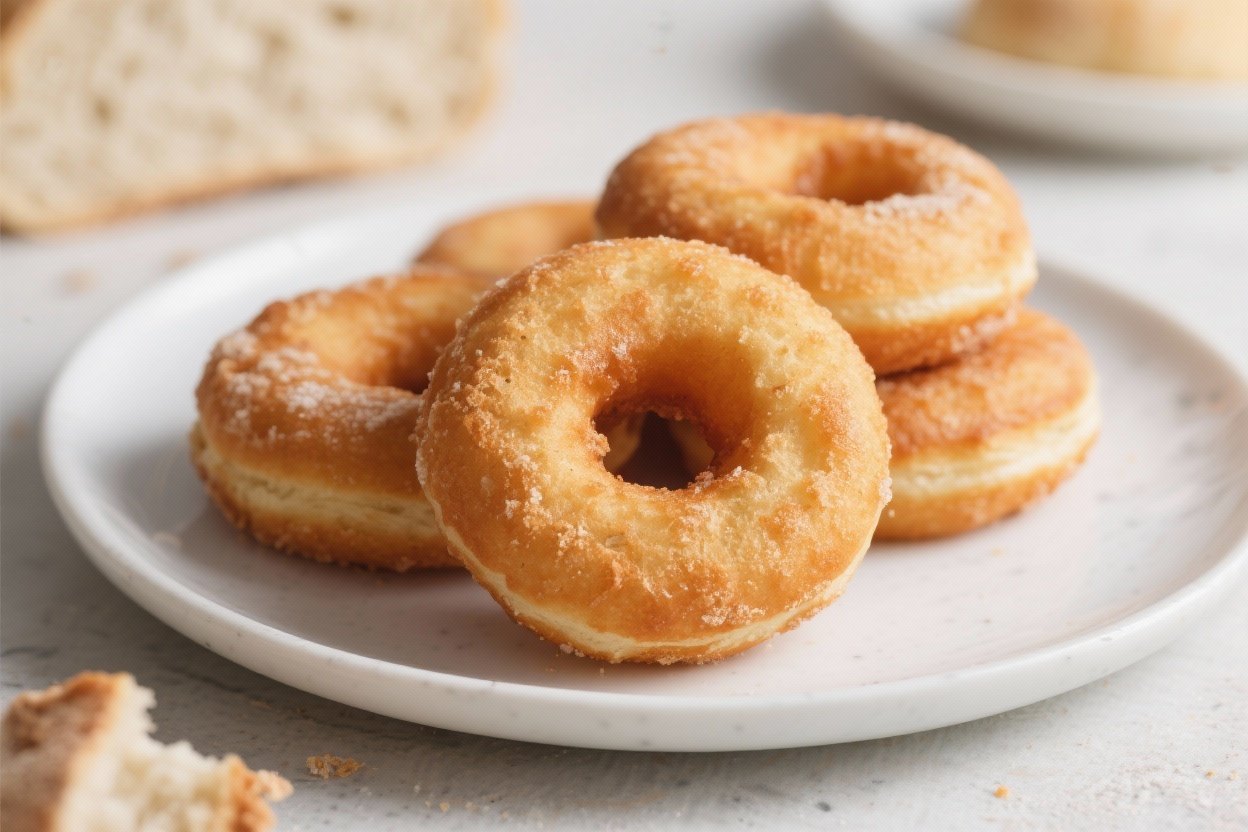
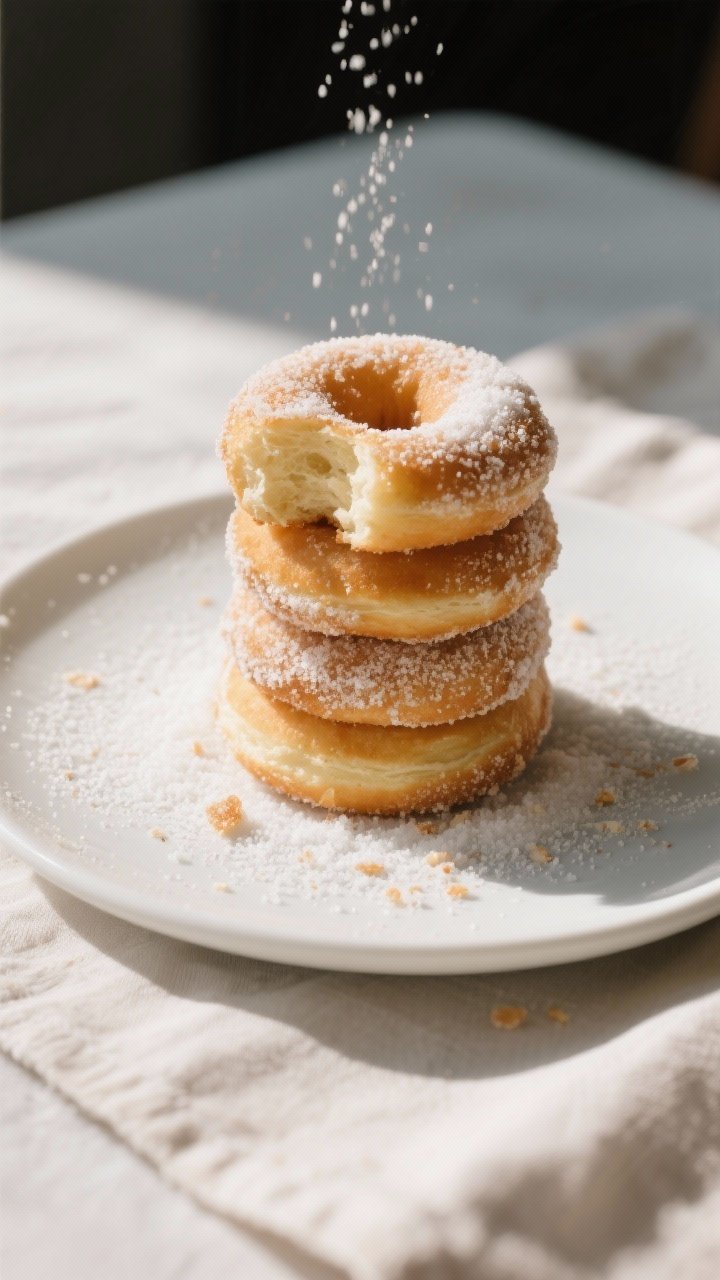
Baked donuts that are fluffy, tender, and dusted in sugar? Yes, please. These sourdough discard donuts are the perfect way to use up extra starter while keeping things simple and mess-free.
They taste like a cross between a cake donut and a soft brioche roll, with a gentle tang that balances the sweetness. No deep-frying, no splattering oil—just a warm batch of donuts that bake up in minutes and make your kitchen smell incredible.
Why This Recipe Works
- Uses sourdough discard for flavor and tenderness without extra fuss. The discard adds a slight tang and helps the crumb stay moist.
- Baked, not fried means less oil, easier cleanup, and a lighter texture you can enjoy any time of day.
- Quick rise thanks to a blend of discard and a little instant yeast to guarantee a fluffy result.
- Buttery sugar coating replaces glaze, keeping things simple and extra delicious.
- Flexible schedule: the dough can chill overnight for better flavor—or bake the same day if you’re in a hurry.
Ingredients
- 1 cup (240 g) sourdough discard (100% hydration, unfed)
- 1/2 cup (120 ml) milk, warm to the touch
- 2 1/4 teaspoons (7 g) instant yeast (or active dry, see notes)
- 1/3 cup (67 g) granulated sugar
- 1 large egg, room temperature
- 1 teaspoon vanilla extract
- 2 1/2 cups (300 g) all-purpose flour, plus more as needed
- 1/2 teaspoon fine sea salt
- 5 tablespoons (70 g) unsalted butter, softened
- For coating: 4 tablespoons (56 g) melted butter + 1/2 cup (100 g) granulated sugar
- Optional: 1/2 teaspoon ground cinnamon for the sugar coating
Step-by-Step Instructions
- Proof the yeast (if using active dry): If using instant yeast, skip this step.
If using active dry, stir it into the warm milk with a pinch of sugar and let it sit for 5–10 minutes until foamy.
- Mix the wet ingredients: In a large bowl, whisk the sourdough discard, warm milk, sugar, egg, and vanilla until smooth.
- Add dry ingredients: Sprinkle in the flour and salt. Stir with a spatula until a shaggy dough forms.
- Knead in butter: Add the softened butter, one tablespoon at a time, kneading by hand or with a dough hook on medium-low. The dough will look sticky at first but will become smooth and elastic in 6–8 minutes.
Add a tablespoon of flour if very sticky, but keep it soft.
- First rise: Shape into a ball and place in a lightly greased bowl. Cover and let rise at warm room temperature until puffy and nearly doubled, about 60–90 minutes.
- Chill for easy shaping (optional but helpful): For cleaner cuts and deeper flavor, chill the dough for 1–2 hours or overnight. If short on time, proceed without chilling.
- Shape the donuts: Turn the dough onto a lightly floured surface.
Roll to about 1/2 inch thick. Cut rounds with a 3-inch cutter and remove centers with a 1-inch cutter. Gather scraps, rest 5 minutes, then reroll.
You can also use a donut pan and pipe the dough.
- Second rise: Arrange donuts on parchment-lined baking sheets, spaced out. Cover lightly and let rise until puffy and slightly jiggly, 30–45 minutes.
- Preheat and bake: Preheat the oven to 375°F (190°C). Bake for 9–12 minutes, until the tops are just set and lightly golden.
Do not overbake—aim for pale golden for a soft crumb.
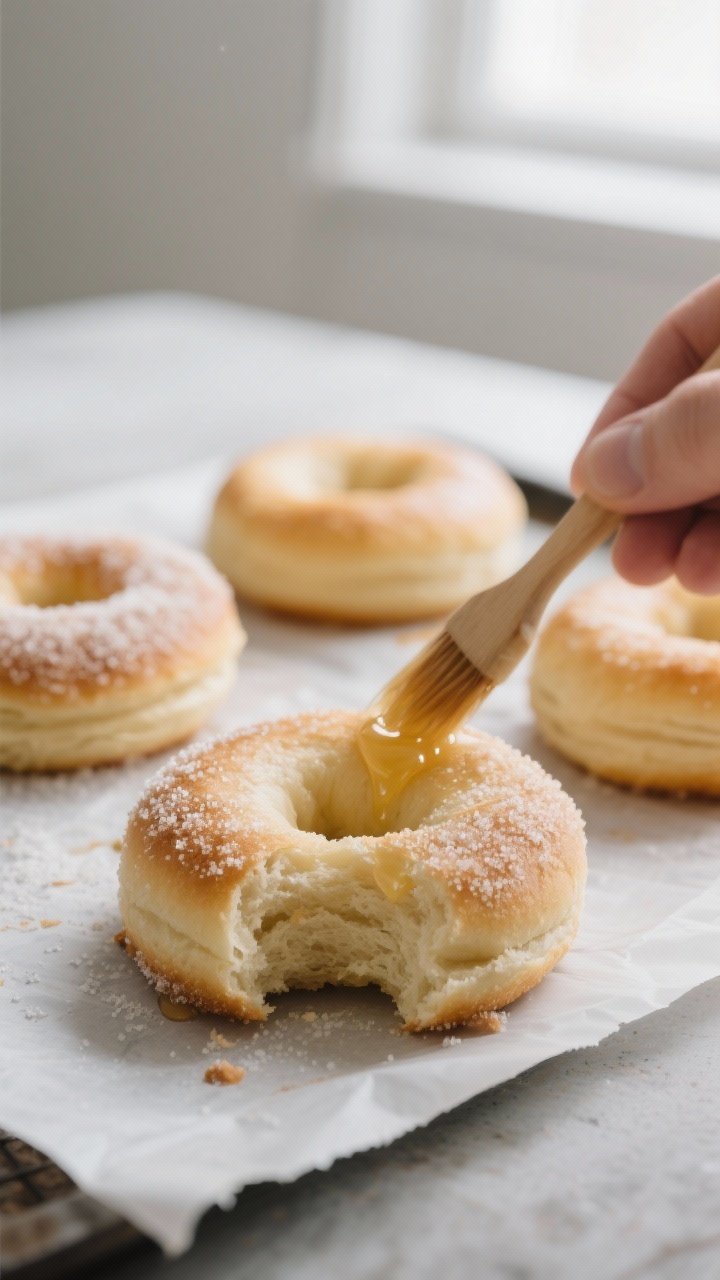
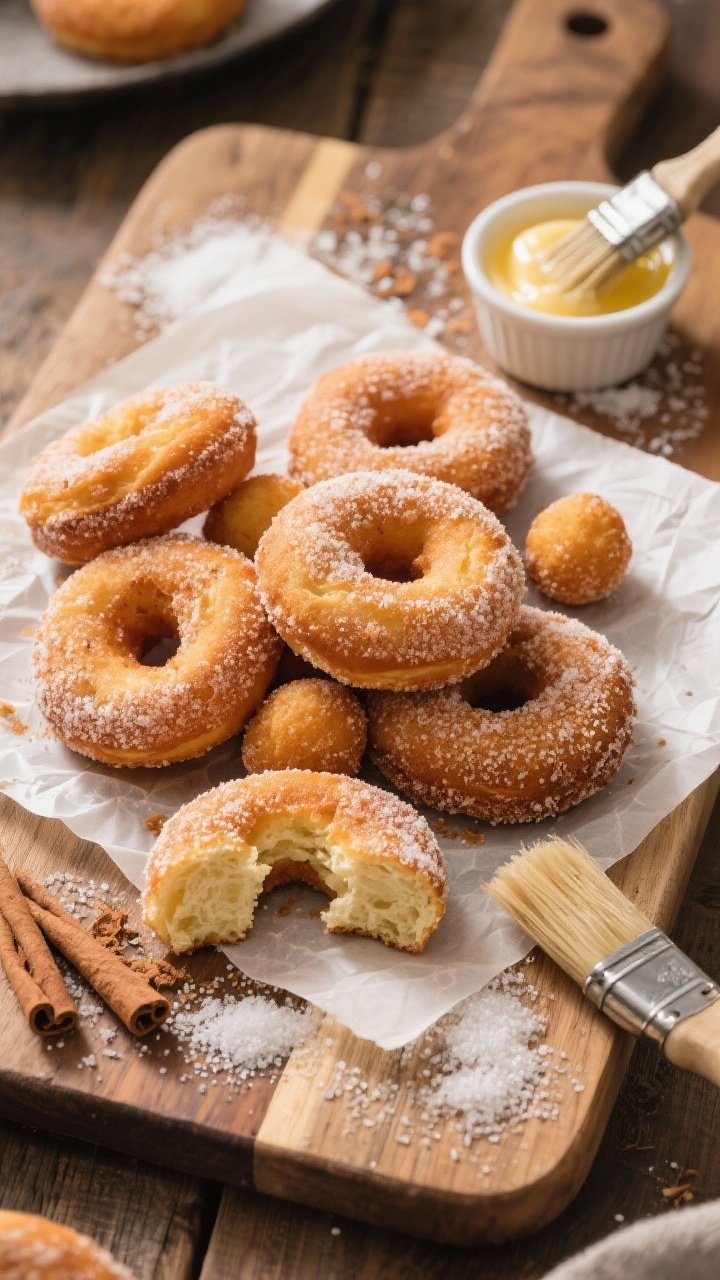
- Coat in sugar: Let cool 5 minutes. Brush each donut with melted butter, then roll in granulated sugar (add cinnamon if using). Coat while still warm for best adhesion.
- Serve: Enjoy warm.
The texture is at its fluffiest within the first few hours.
Keeping It Fresh
- Room temperature: Store in an airtight container for up to 2 days. Add a paper towel to absorb moisture and keep the sugar from melting.
- Reheat: Warm in a 300°F (150°C) oven for 5–7 minutes to revive softness. Avoid the microwave if possible—it can make them chewy.
- Freeze: Freeze uncoated donuts for up to 2 months.
Thaw at room temperature, then warm and coat in butter and sugar before serving.
Health Benefits
- Less oil: Baked donuts skip deep frying, reducing overall fat and calories.
- Sourdough advantages: The natural acids in sourdough can make gluten easier to digest for some people and may slightly lower the glycemic impact compared to standard doughs.
- Portion-friendly: These donuts are lighter than rich cake donuts, so one feels satisfying without weighing you down.
- Customizable: You control the sugar and toppings, making it easy to adjust sweetness.
Common Mistakes to Avoid
- Adding too much flour: The dough should be soft and slightly tacky. Excess flour leads to dense donuts.
- Overbaking: Pull them when lightly golden. A minute too long dries them out.
- Skipping the second rise: This step builds the fluffy texture.
Don’t rush it.
- Coating when cold: Sugar sticks best when the donuts are warm and brushed with butter.
- Using cold ingredients: Room-temperature egg and softened butter help the dough rise evenly.
Recipe Variations
- Cinnamon-Sugar Donuts: Add 1 teaspoon ground cinnamon to the dough and 1/2 teaspoon to the sugar coating.
- Vanilla Sugar: Rub the sugar with vanilla bean seeds or store sugar with a spent vanilla pod for a fragrant coating.
- Filled Donuts: Skip the hole. Bake round donuts, cool slightly, then pipe in jam, lemon curd, or pastry cream. Roll in sugar after filling.
- Chocolate Twist: Add 2 tablespoons cocoa powder to the dough and 2 tablespoons extra sugar to balance.
Coat with powdered sugar.
- Brown Butter Sugar: Brown the coating butter until nutty, cool slightly, then brush and roll in sugar for deeper flavor.
- Whole Wheat Blend: Swap 1/2 cup (60 g) of the AP flour for white whole wheat. Increase milk by 1–2 teaspoons if needed to keep the dough soft.
FAQ
Can I use active starter instead of discard?
Yes. Active starter works fine and may give a slightly airier texture.
Keep the measurements the same and follow the recipe as written.
What if I don’t have instant yeast?
Use active dry yeast and proof it in the warm milk first. Expect the rises to take 10–15 minutes longer.
Can I make the dough ahead?
Absolutely. After the first rise, cover and refrigerate up to 24 hours.
Shape, proof, and bake the next day.
Do I need a donut pan?
No. You can cut donuts with round cutters and bake on a sheet. A donut pan works if you prefer a uniform shape—pipe the dough in and adjust bake time as needed.
How do I know when they’re done?
They should be lightly golden on the edges and spring back when gently pressed.
If you have a thermometer, the internal temperature should be around 190–195°F (88–90°C).
Can I reduce the sugar?
Yes. You can cut the dough sugar to 1/4 cup without affecting structure. The coating provides most of the sweetness, so adjust to taste.
My donuts turned out dense.
Why?
Likely causes are too much flour, under-proofing, or overbaking. Keep the dough soft, let it rise until puffy, and bake just until set.
Can I make them dairy-free?
Use a neutral dairy-free milk and plant-based butter. Choose a brand that’s solid at room temperature for the best crumb.
How do I make donut holes?
Bake the cut-out centers on the same sheet.
They’ll finish faster—check at 7–9 minutes—then toss in butter and sugar.
Is the sourdough flavor strong?
No. The discard adds a gentle tang and depth, but the flavor is mild and balanced by the sugar coating.
Wrapping Up
These baked sourdough discard sugar donuts are soft, fluffy, and simple enough for a weekday treat. They’re a smart way to use your starter and skip the mess of frying, all while delivering that classic donut joy.
Keep a batch on hand for brunch, snacks, or an easy dessert—and don’t forget the warm butter-sugar finish. Happy baking!
Printable Recipe Card
Want just the essential recipe details without scrolling through the article? Get our printable recipe card with just the ingredients and instructions.