Baked Falafel Vegetable Casserole – A Comforting, Crowd-Pleasing Twist
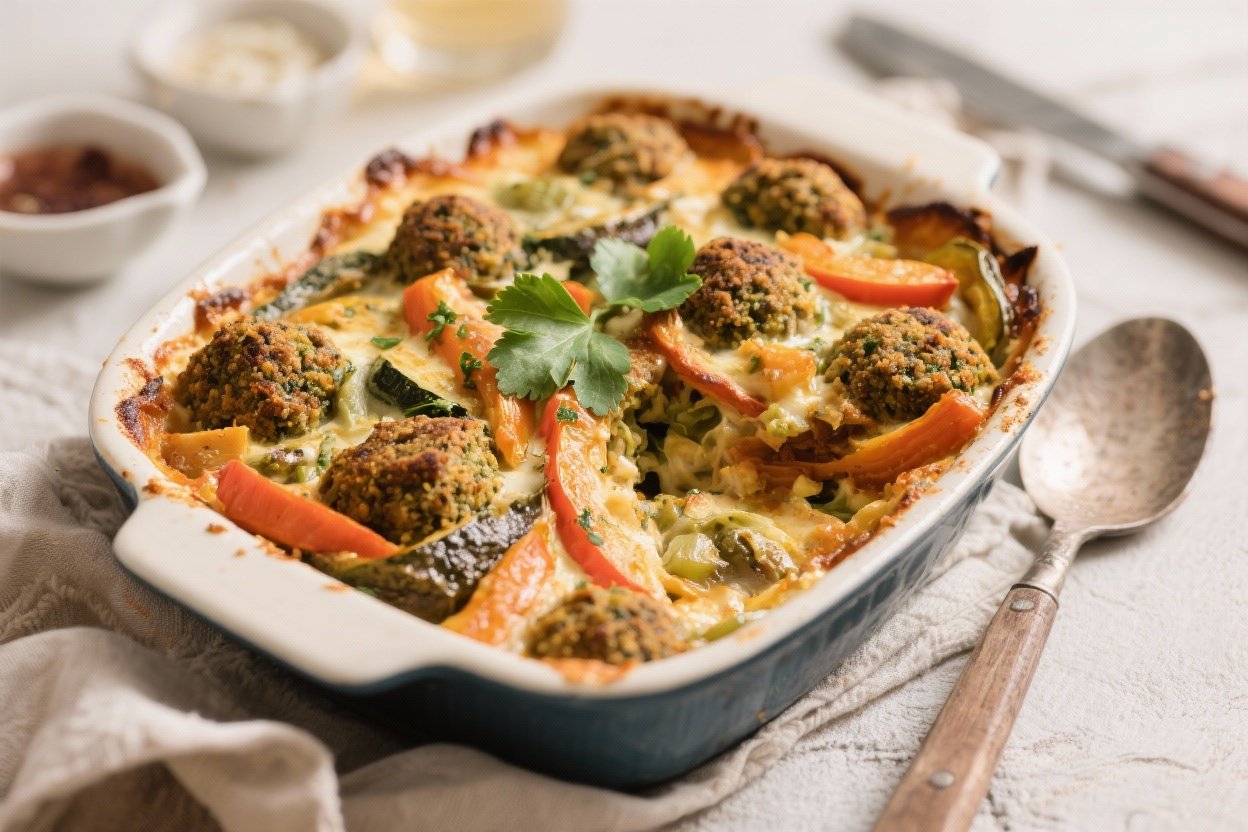
This baked falafel vegetable casserole takes everything you love about warm, comforting bakes and pairs it with the bold, herby flavors of classic falafel. It’s cozy, nutrient-packed, and surprisingly simple to pull together. Think tender vegetables, a fragrant falafel topping, and a creamy tahini drizzle to finish.
It’s the kind of dish that works for weeknights, meal prep, or a casual dinner with friends. Serve it hot from the oven and watch it disappear.
What Makes This Recipe So Good
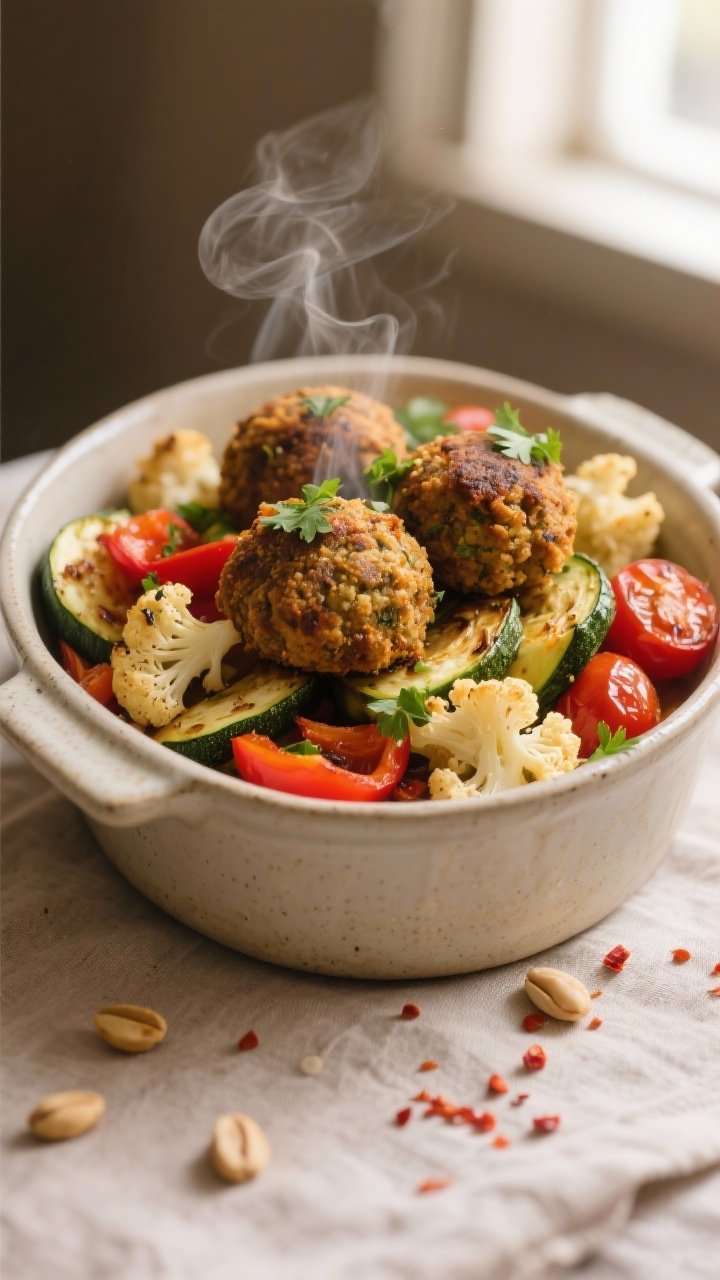
- Big flavor, minimal fuss: You get all the punchy falafel notes—garlic, cumin, coriander, parsley—without deep-frying or complicated steps.
- Balanced and satisfying: Protein-rich chickpeas meet roasted vegetables for a full, filling meal that doesn’t feel heavy.
- Make-ahead friendly: Prep components ahead of time, assemble later, and bake when you’re ready.
- Customizable: Swap in whatever veggies you have on hand, use canned or cooked chickpeas, and adjust the heat to your taste.
- Great for sharing: This casserole serves a crowd and packs well for leftovers.
Ingredients
- For the vegetable base:
- 2 cups cauliflower florets
- 1 large zucchini, sliced into half-moons
- 1 red bell pepper, chopped
- 1 small red onion, sliced
- 1 cup cherry tomatoes, halved
- 2 tablespoons olive oil
- 1 teaspoon ground cumin
- 1 teaspoon smoked paprika
- 1/2 teaspoon kosher salt, plus more to taste
- Black pepper, to taste
- For the baked falafel topping:
- 2 cans (15 ounces each) chickpeas, drained and rinsed, patted dry
- 1 packed cup fresh parsley (leaves and tender stems)
- 1/2 cup fresh cilantro (optional but recommended)
- 3 cloves garlic
- 1 small shallot or 1/4 small onion, roughly chopped
- 2 teaspoons ground cumin
- 1 teaspoon ground coriander
- 1/2 teaspoon baking powder
- 1/2 teaspoon kosher salt
- 1/4 teaspoon cayenne or red pepper flakes (optional)
- 3–4 tablespoons chickpea flour (or all-purpose flour), as needed
- 2 tablespoons olive oil
- For the tahini drizzle:
- 1/3 cup tahini
- 2–3 tablespoons lemon juice
- 1 small garlic clove, grated
- 2–4 tablespoons warm water (to thin)
- Pinch of salt
- Optional garnishes: Fresh parsley, lemon zest, toasted pine nuts, red pepper flakes
Step-by-Step Instructions
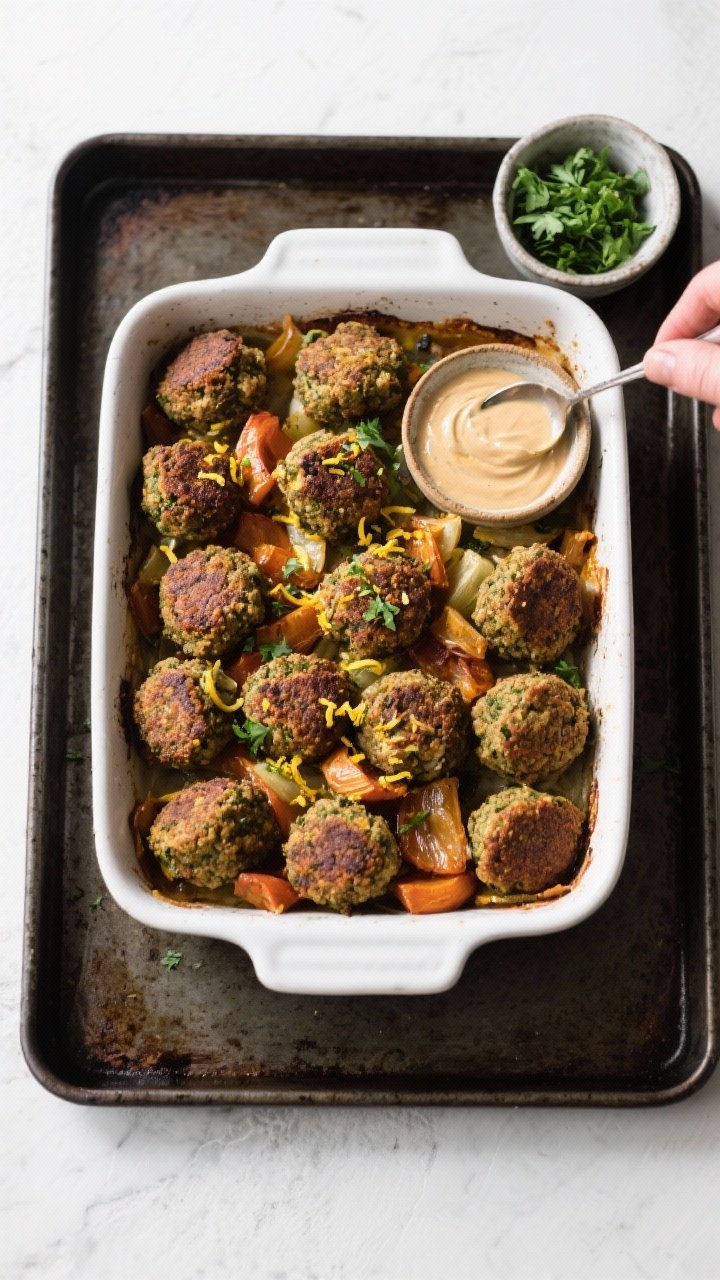
- Preheat and prep: Heat your oven to 400°F (200°C). Lightly grease a 9×13-inch baking dish or similar casserole pan.
- Season the vegetables: In a large bowl, toss cauliflower, zucchini, bell pepper, red onion, and cherry tomatoes with olive oil, cumin, smoked paprika, salt, and black pepper.
Spread evenly in the baking dish.
- Roast the vegetables: Bake for 18–20 minutes, until the edges soften and start to brown. Remove from the oven and gently toss to redistribute.
- Make the falafel mix: While the veggies roast, add chickpeas, parsley, cilantro, garlic, shallot, cumin, coriander, baking powder, salt, and cayenne (if using) to a food processor. Pulse until finely chopped and crumbly, not a paste.
You should see small bits, with a mixture that holds together when pressed.
- Add flour and oil: Sprinkle in 3 tablespoons chickpea flour and pulse a few times. Test the texture by pinching a bit—if it crumbles, add the remaining flour. Drizzle in 2 tablespoons olive oil and pulse once more to combine.
- Top the vegetables: Using clean hands or a spoon, scatter the falafel mixture in rustic clumps over the roasted vegetables.
Aim for bite-size mounds rather than a solid layer so steam can escape and edges crisp.
- Bake until golden: Return the dish to the oven and bake for 18–22 minutes, until the falafel topping is set and lightly browned. For extra color, broil for 1–2 minutes at the end, watching closely.
- Make the tahini sauce: In a small bowl, whisk tahini, lemon juice, grated garlic, and a pinch of salt. Add warm water, a tablespoon at a time, until the sauce is creamy and pourable.
- Finish and serve: Let the casserole cool for 5 minutes.
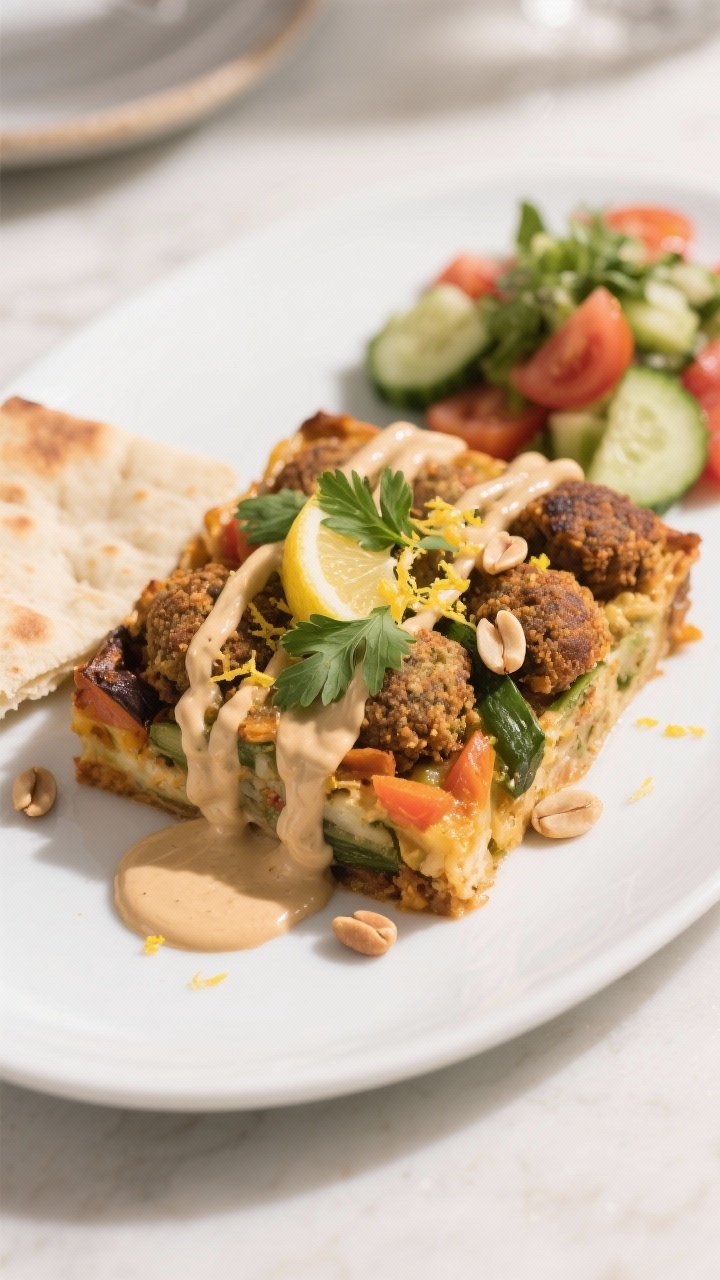
Drizzle generously with tahini sauce and sprinkle with fresh parsley, lemon zest, and optional pine nuts. Serve warm.
Keeping It Fresh
- Storage: Refrigerate leftovers in an airtight container for up to 4 days. Keep the tahini sauce separate if possible.
- Reheating: Warm in a 350°F (175°C) oven for 10–12 minutes to re-crisp the falafel topping.
Microwave in a pinch, but the texture will be softer.
- Freezing: Freeze baked casserole (without tahini sauce) for up to 2 months. Thaw overnight in the fridge and reheat in the oven until hot.
- Make-ahead: Prep the falafel mixture up to 24 hours in advance and refrigerate. Chop veggies ahead and store separately.
Assemble and bake when ready.
Benefits of This Recipe
- Plant-forward protein: Chickpeas bring fiber and protein for lasting fullness.
- Lower oil, big flavor: Baking cuts down on oil while keeping that herby, garlicky falafel taste.
- Veggie variety: A mix of colorful vegetables adds antioxidants, vitamins, and texture.
- Budget-friendly: Pantry staples like chickpeas, tahini, and spices keep costs down.
- Flexible for diets: Naturally vegetarian and easy to make vegan and gluten-free.
What Not to Do
- Don’t overprocess the falafel mixture: A paste will bake dense. You want a crumbly mix that clumps when pressed.
- Don’t skip drying the chickpeas: Excess moisture makes the topping mushy. Pat them dry after rinsing.
- Don’t crowd the pan too much: If your vegetables are piled high, they’ll steam instead of roast.
Use a large dish.
- Don’t forget seasoning: Salt the veggies and the falafel mixture. Underseasoning weakens the overall flavor.
- Don’t drown it in sauce: Add just enough tahini to complement; too much can overpower the herbs and spices.
Alternatives
- Vegetable swaps: Try broccoli, butternut squash, carrots, or eggplant. Adjust roasting time for dense veggies, adding 5–10 minutes if needed.
- Spice variations: Add za’atar, sumac, or a touch of cinnamon.
For smoke, use extra smoked paprika or a pinch of chipotle powder.
- Grain layer: For a heartier casserole, spread a thin layer of cooked quinoa or bulgur under the vegetables before baking.
- Dairy add-ins: Crumble feta over the top before serving for a salty finish, or swirl in a bit of yogurt to the tahini sauce.
- Gluten-free: Stick with chickpea flour and confirm your baking powder is gluten-free.
- No tahini? Use a lemon-garlic yogurt sauce, or whisk olive oil, lemon juice, and a pinch of Dijon for a lighter drizzle.
FAQ
Can I use dried chickpeas instead of canned?
Yes, but they must be cooked first. Soak overnight, simmer until tender, drain well, and pat dry. You’ll need about 3 cups cooked chickpeas to replace the two cans.
How do I keep the falafel topping from getting soggy?
Dry the chickpeas thoroughly, avoid overprocessing, and leave space between the falafel clumps so they can brown.
Reheat in the oven, not the microwave, to restore crisp edges.
Is this recipe vegan?
Yes, as written it’s vegan. If you add feta or yogurt sauce, it becomes vegetarian. Keep garnishes plant-based to maintain a vegan dish.
What can I serve with this casserole?
Warm pita, a simple cucumber-tomato salad, and quick pickled onions are great pairings.
A bright lemony arugula salad also balances the richness of the tahini.
Can I make the falafel mixture without a food processor?
You can. Finely chop the herbs, mash the chickpeas with a potato masher or fork, and mix everything in a bowl. It takes longer but works well.
How spicy is this?
It’s mild with optional heat from cayenne.
Adjust to taste or omit for a no-heat version, especially if serving kids.
Can I assemble this ahead of time?
Yes. Roast the vegetables, make the falafel mixture, and store them separately in the fridge for up to 24 hours. Assemble and bake just before serving.
In Conclusion
This baked falafel vegetable casserole brings the best of both worlds: comforting casserole vibes and bright, fresh Middle Eastern flavors.
It’s weeknight-easy, make-ahead friendly, and endlessly adaptable. With a crispy falafel topping, tender veggies, and a silky tahini drizzle, every bite delivers color, texture, and warmth. Keep this recipe in your rotation and tweak it with seasonal produce—you’ll never get bored.
Printable Recipe Card
Want just the essential recipe details without scrolling through the article? Get our printable recipe card with just the ingredients and instructions.