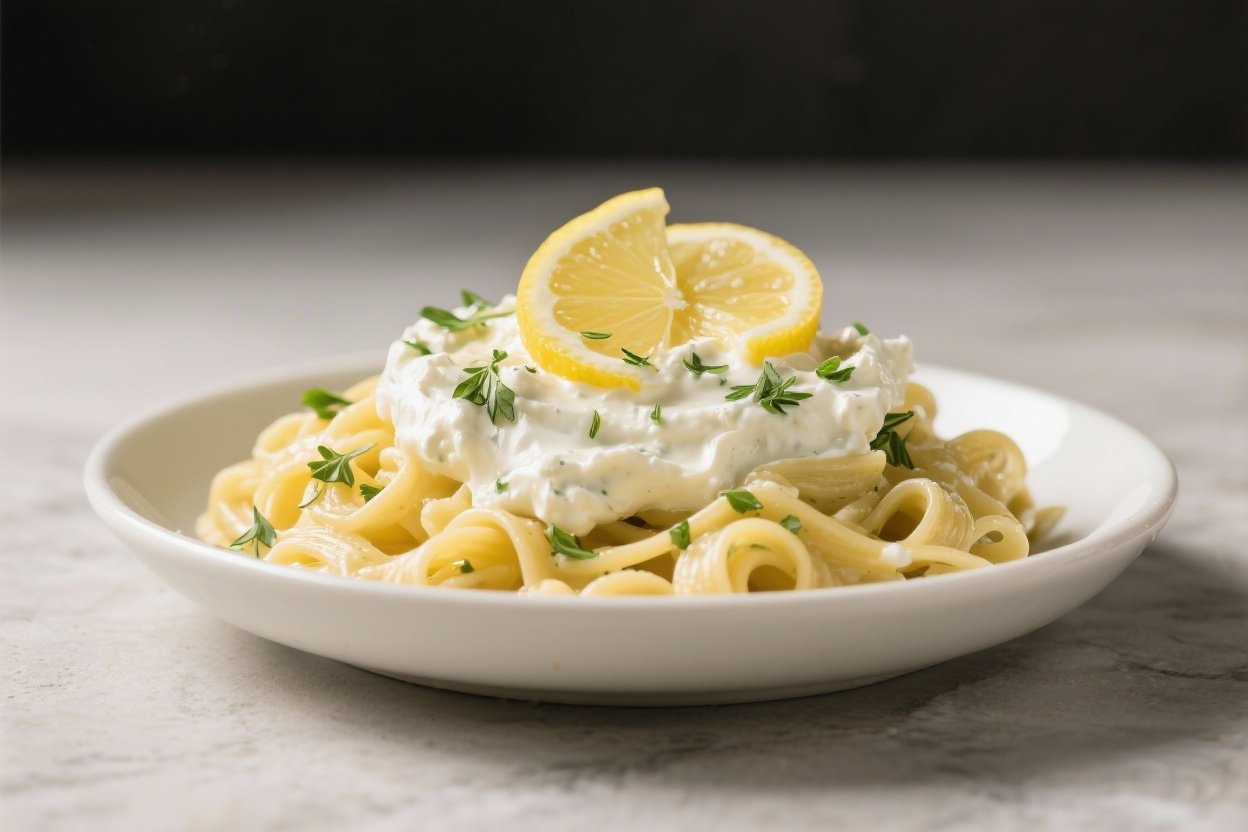
Creamy Ricotta Pasta With Lemon and Herbs – Bright, Cozy, and Weeknight-Friendly
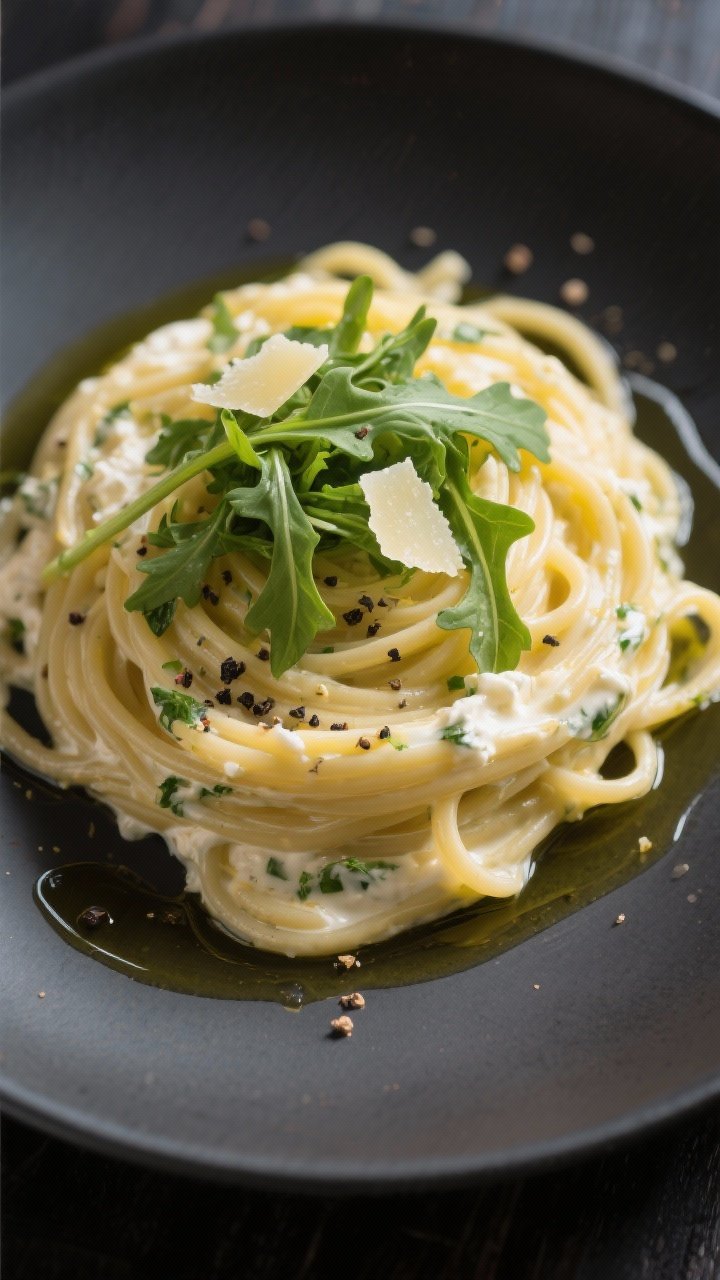
This is the kind of pasta you make when you want something comforting yet light. Creamy ricotta clings to warm noodles, while lemon and fresh herbs keep everything bright and lively. It’s simple, fast, and doesn’t ask for much more than a pot, a bowl, and a good squeeze of lemon.
The flavors are clean and fresh, with a silky sauce that feels indulgent without being heavy. Perfect for busy nights or a relaxed weekend meal with a glass of wine.
What Makes This Recipe So Good
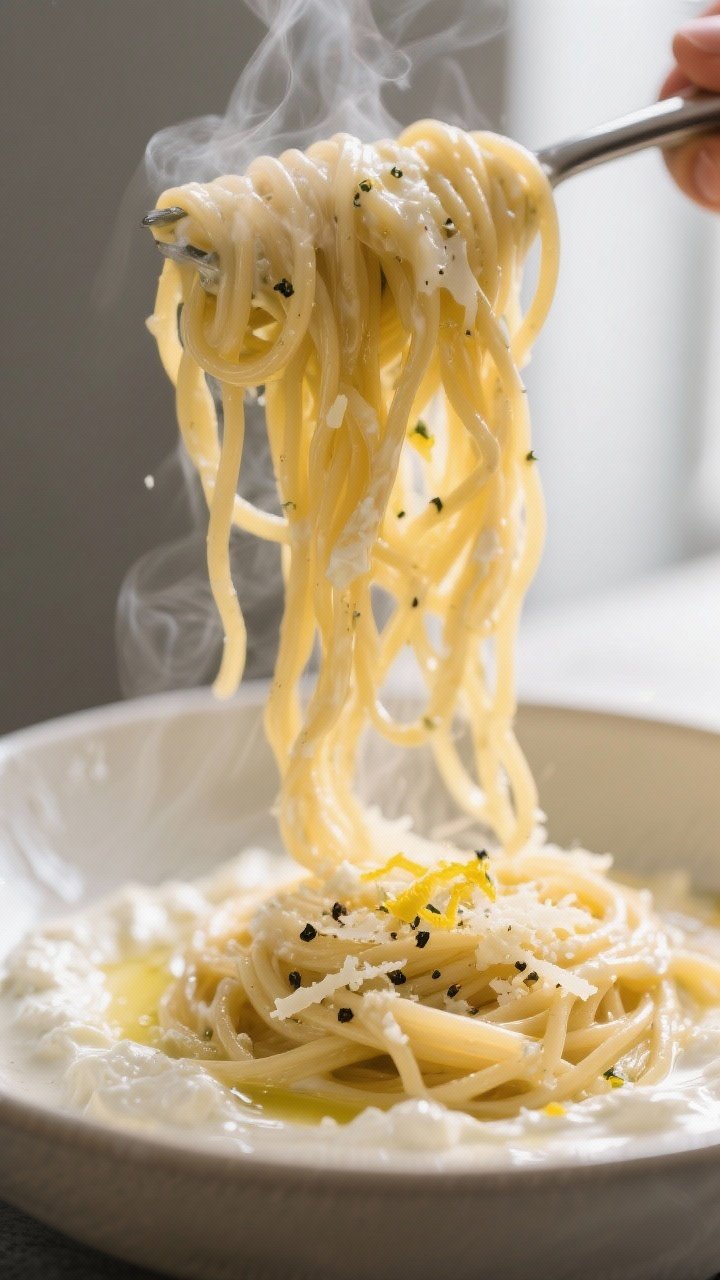
- Balanced flavor: The ricotta is creamy and mild, while lemon zest and juice wake it all up with a gentle zing.
- Quick and easy: The sauce isn’t cooked on the stove. It comes together in a bowl while the pasta boils.
- Light but satisfying: It tastes rich, yet it won’t weigh you down.
Great for lunch or dinner.
- Flexible: Use your favorite pasta shape, swap in different herbs, or add vegetables and protein.
- Everyday ingredients: Nothing fancy. Just pantry staples and a few fresh touches.
Ingredients
- 12 ounces pasta (spaghetti, linguine, rigatoni, or shells)
- 1 cup whole-milk ricotta cheese
- 1/3 cup finely grated Parmesan or Pecorino Romano, plus more for serving
- Zest of 1 large lemon
- 2–3 tablespoons fresh lemon juice (to taste)
- 2 tablespoons extra-virgin olive oil
- 1 small garlic clove, finely grated or minced
- 1/2 teaspoon kosher salt, plus more for the pasta water
- Freshly ground black pepper
- 1/4–1/2 cup reserved pasta water
- 1/4 cup chopped fresh herbs (such as basil, parsley, and chives)
- Optional: pinch of red pepper flakes, 1 teaspoon lemon zest for garnish, or a handful of arugula
How to Make It
- Boil the pasta. Bring a large pot of salted water to a rolling boil. Add the pasta and cook until al dente according to package directions.
Before draining, scoop out at least 1 cup of the starchy cooking water and set it aside.
- Make the ricotta base. In a large mixing bowl, add ricotta, Parmesan, lemon zest, lemon juice, olive oil, garlic, salt, and a few grinds of black pepper. Stir until smooth. The mixture should be thick but creamy.
- Loosen with pasta water. Add 2–3 tablespoons of hot pasta water to the ricotta mixture and whisk until it becomes silky.
You want a spoonable sauce that will coat the pasta. Add a splash more pasta water if needed.
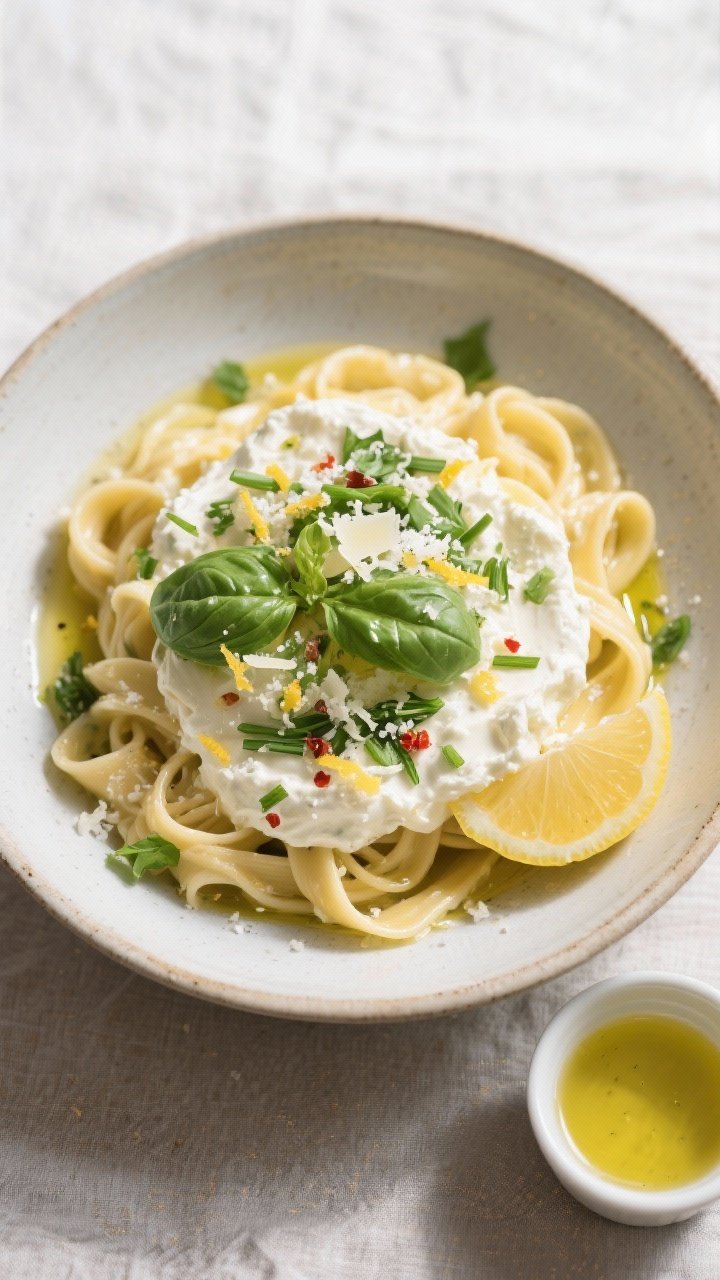
- Combine pasta and sauce. Add the hot, drained pasta directly into the bowl with the ricotta mixture. Toss well, adding more pasta water a little at a time until the sauce is glossy and clings to each noodle or shape.
- Finish with herbs. Fold in the chopped herbs.
Taste and adjust with more lemon juice, salt, or pepper. If you like a touch of heat, sprinkle in red pepper flakes.
- Serve. Twirl into bowls and top with extra Parmesan, a drizzle of olive oil, and a bit more lemon zest. If using, toss a handful of arugula on top for a fresh bite.
Storage Instructions
- Refrigeration: Store leftovers in an airtight container for up to 3 days.
- Reheating: Warm gently on the stove over low heat with a splash of water or milk to loosen the sauce.
Stir frequently to keep it creamy. Avoid high heat, which can cause the ricotta to become grainy.
- Freezing: Not recommended. Ricotta-based sauces can separate and turn watery after thawing.
Benefits of This Recipe
- Fast cooking time: You can have dinner on the table in about 20 minutes.
- Nutrient-friendly: Ricotta adds protein and calcium, while herbs and lemon add freshness without heavy cream.
- Budget-conscious: Uses accessible ingredients and stretches to feed a family.
- Customizable: Easy to adapt for different diets or what’s in your fridge.
Pitfalls to Watch Out For
- Skipping the pasta water: The starchy water is key for a smooth, cohesive sauce.
Don’t drain the pasta without saving some.
- Using low-quality ricotta: Grainy or overly watery ricotta can lead to a lackluster sauce. Choose whole-milk ricotta with a creamy texture.
- Overcooking the pasta: You want al dente. Overcooked pasta can turn gummy when mixed with the sauce.
- Adding too much lemon juice at once: Start with less, taste, and adjust.
It should be bright, not sour.
- Overheating the sauce: Ricotta can curdle if cooked aggressively. Mix off heat and let the warmth of the pasta do the work.
Variations You Can Try
- Green boost: Stir in a few handfuls of baby spinach or peas with the hot pasta until just wilted.
- Roasted vegetables: Add roasted cherry tomatoes, asparagus, or zucchini for extra color and texture.
- Protein add-ins: Top with grilled chicken, seared shrimp, or flaky salmon. Crispy pancetta or bacon is great for a smoky twist.
- Nutty crunch: Sprinkle toasted pine nuts or almonds over the finished dish.
- Herb swap: Try dill and mint for a Mediterranean vibe, or tarragon for a subtle anise note.
- Extra creamy: Add a splash of heavy cream or a spoonful of mascarpone to the ricotta mixture.
- Gluten-free: Use your favorite gluten-free pasta and watch the cook time closely.
- Lemony breadcrumb topping: Toast panko with olive oil, lemon zest, salt, and pepper.
Sprinkle over bowls for crunch.
FAQ
Can I use skim ricotta?
Yes, but the sauce will be less silky. Whole-milk ricotta gives the best creaminess. If using skim, add a teaspoon of olive oil or a splash of milk to help with texture.
What pasta shape works best?
Anything you like.
Long noodles like spaghetti or linguine feel elegant, while shapes like rigatoni, shells, or orecchiette hold the sauce well. Use what you have.
Do I need to cook the sauce?
No. The hot pasta and a bit of pasta water gently warm and loosen the ricotta.
Cooking the sauce on high heat can make it grainy.
Can I make it ahead?
You can prep the ricotta mixture a few hours in advance and keep it in the fridge. Bring it to room temperature before tossing with hot pasta. Fully assembled pasta is best served right away.
How do I keep the sauce from being too thick?
Add pasta water in small amounts and toss well until you see a glossy, fluid coating.
It should move when you stir, not clump.
Is lemon essential?
It’s a big part of the flavor, but you can reduce it. If you skip the juice, keep the zest for brightness. A splash of white wine vinegar can also do the trick in a pinch.
What herbs should I avoid?
Strong woody herbs like rosemary can overpower the ricotta unless used very sparingly and finely chopped.
Softer herbs like basil, parsley, chives, dill, and mint work best.
In Conclusion
Creamy Ricotta Pasta With Lemon and Herbs is the definition of simple, fresh comfort. It’s quick to make, tastes vibrant, and uses ingredients you probably already have. With a little lemon, a handful of herbs, and a good swirl of pasta water, you get a silky, restaurant-style sauce at home.
Keep this one in your back pocket for weeknights, lazy Sundays, or anytime you want a satisfying bowl that still feels light.
Printable Recipe Card
Want just the essential recipe details without scrolling through the article? Get our printable recipe card with just the ingredients and instructions.