Healthy Teriyaki Chicken Rice Bowl With Roasted Vegetables – Easy, Balanced, and Flavorful
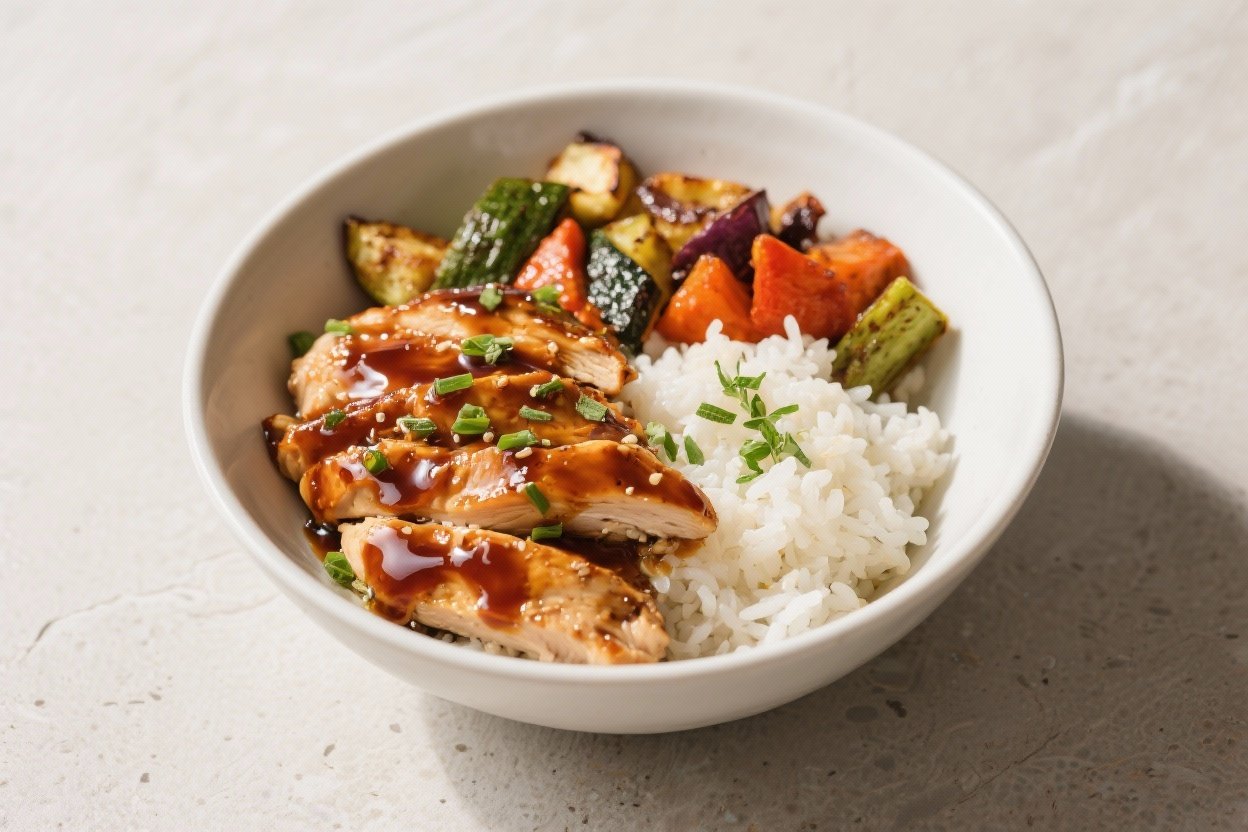
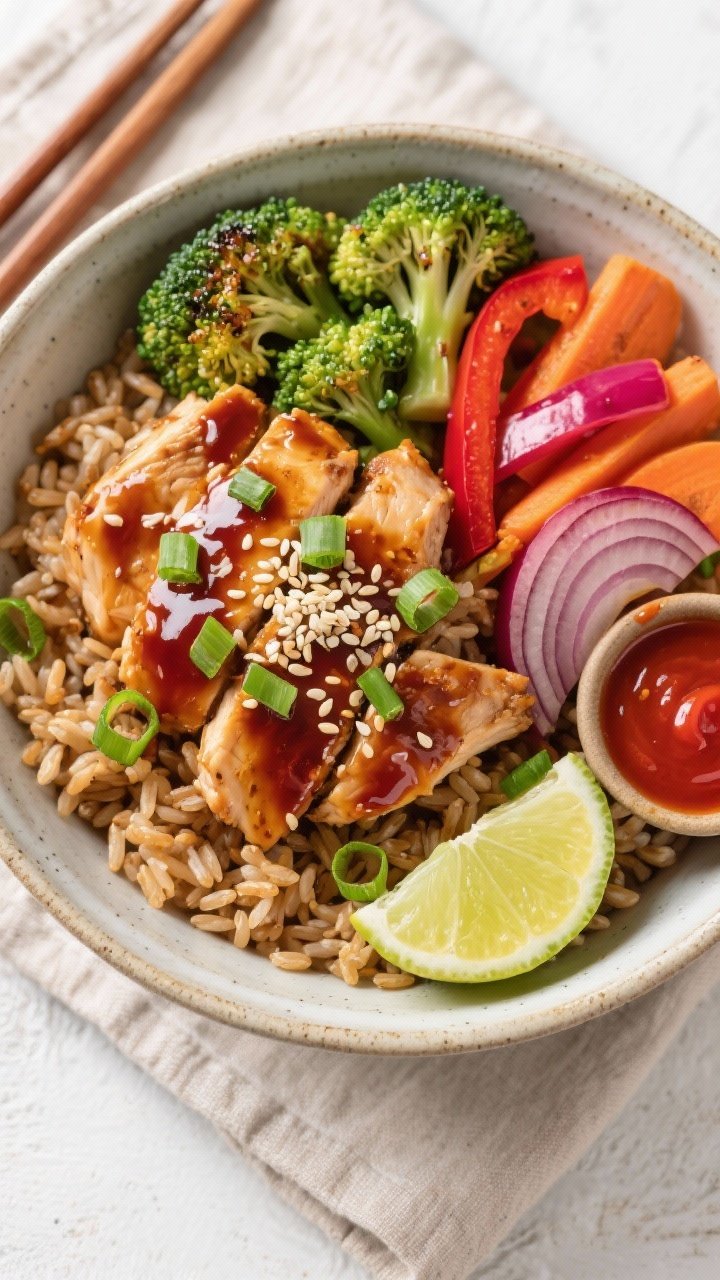
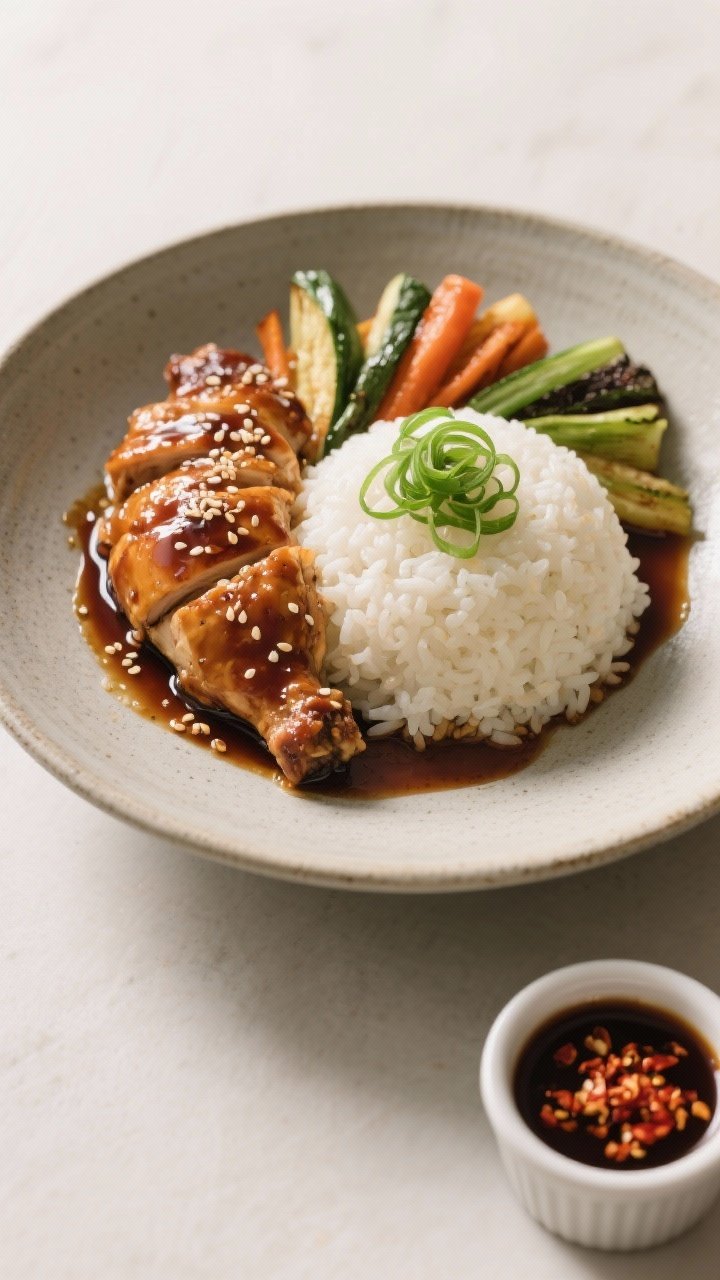
This teriyaki chicken rice bowl brings together juicy chicken, crisp roasted vegetables, and a glossy homemade sauce that tastes like takeout—but lighter. It’s a simple weeknight dinner that also works for meal prep. You’ll get the savory-sweet notes you love with fewer additives and more whole-food ingredients.
Everything cooks in under an hour, and most of the time is hands-off.
What Makes This Special
This bowl balances hearty protein, complex carbs, and colorful veggies without feeling heavy. The homemade teriyaki uses pantry staples and skips excess sugar and thickeners. Roasting the vegetables gives them caramelized edges and a deeper flavor than steaming.
It’s also flexible: swap the veggies, change the grain, or tweak the sweetness to suit your taste. Best of all, it reheats beautifully for lunch the next day.
Ingredients
- For the Chicken and Rice
- 1.5 pounds boneless, skinless chicken thighs (or breasts), trimmed and cut into bite-size pieces
- 1 cup uncooked brown rice (or jasmine rice, if preferred)
- 2 cups low-sodium chicken broth or water
- 1 tablespoon olive oil or avocado oil
- Pinch of salt and pepper
- For the Roasted Vegetables
- 1 medium broccoli crown, cut into florets
- 1 red bell pepper, sliced
- 1 medium carrot, peeled and sliced on the bias
- 1 small red onion, cut into wedges
- 1 tablespoon olive oil
- 1/2 teaspoon garlic powder
- Salt and black pepper to taste
- For the Teriyaki Sauce
- 1/3 cup low-sodium soy sauce (or tamari for gluten-free)
- 3 tablespoons water
- 2 tablespoons pure maple syrup or honey
- 1 tablespoon rice vinegar
- 1 tablespoon fresh grated ginger
- 2 cloves garlic, minced
- 1 teaspoon toasted sesame oil
- 1 tablespoon cornstarch mixed with 2 tablespoons cold water (slurry)
- To Serve
- 2 green onions, thinly sliced
- 1 tablespoon toasted sesame seeds
- Lime wedges (optional)
- Chili flakes or sriracha (optional)
Instructions
- Cook the rice. Rinse the rice until the water runs clear. Combine with broth or water in a pot.
Bring to a boil, cover, and simmer until tender (brown rice about 40–45 minutes; white rice about 15–18 minutes). Fluff with a fork and keep warm.
- Preheat and prep vegetables. Heat the oven to 425°F (220°C). Toss broccoli, bell pepper, carrot, and red onion with olive oil, garlic powder, salt, and pepper.
Spread on a sheet pan in a single layer.
- Roast vegetables. Roast for 18–22 minutes, tossing once, until edges are lightly charred and vegetables are tender-crisp.
- Sear the chicken. While vegetables roast, heat 1 tablespoon oil in a large skillet over medium-high. Pat the chicken dry, season with a pinch of salt and pepper, and add to the pan. Cook 6–8 minutes, stirring occasionally, until browned and just cooked through.
Remove to a plate.
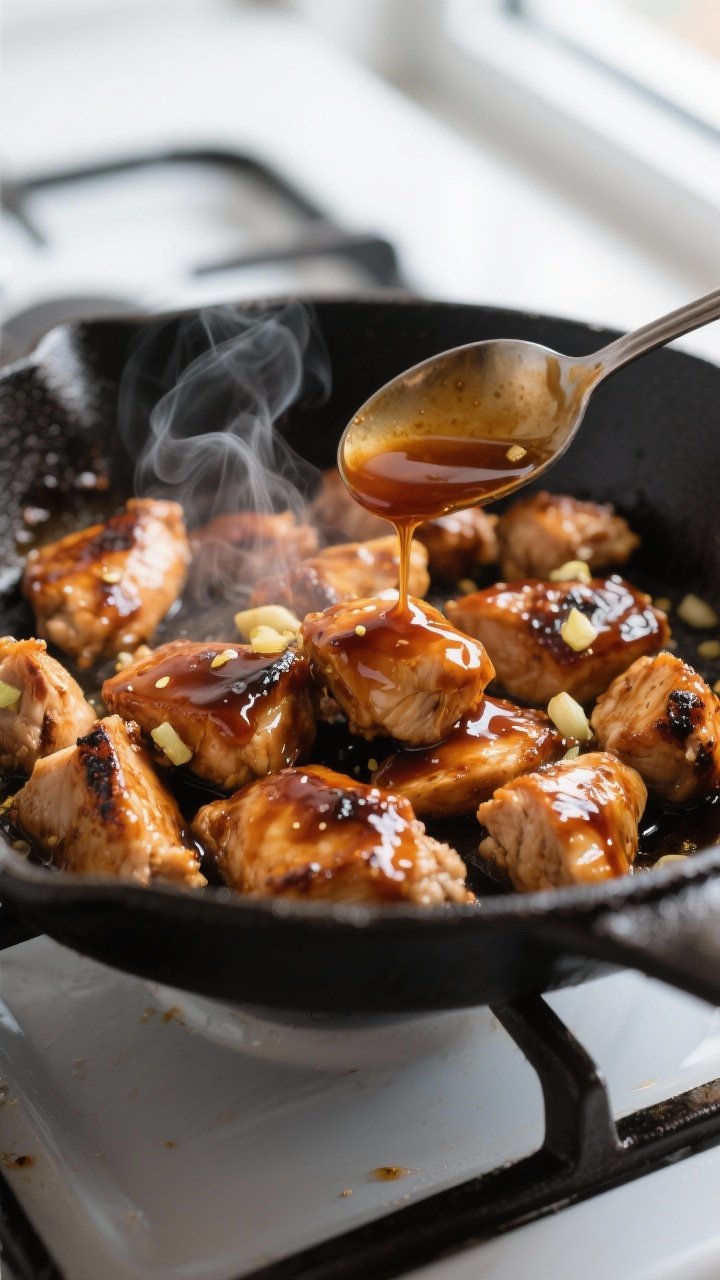
- Make the teriyaki sauce. In the same skillet (heat off), add soy sauce, water, maple syrup, rice vinegar, ginger, garlic, and sesame oil. Stir and bring to a gentle simmer over medium heat. Whisk the cornstarch slurry, then slowly pour it in, stirring constantly until the sauce thickens and turns glossy, 1–2 minutes.
- Combine chicken and sauce. Return the chicken to the skillet and toss to coat.
Simmer 1–2 minutes so the flavors meld. If the sauce gets too thick, add a splash of water to loosen.
- Assemble the bowls. Add a scoop of rice to each bowl. Top with roasted vegetables and saucy chicken.
Finish with green onions, sesame seeds, and a squeeze of lime. Add chili flakes or sriracha if you like heat.
How to Store
- Refrigerator: Store components separately or assembled in airtight containers for up to 4 days. Keep garnishes like green onions and sesame seeds separate until serving.
- Freezer: Freeze the chicken and rice (without fresh garnishes) for up to 2 months.
Roasted vegetables can be frozen but may soften. Reheat gently in a skillet or microwave, adding a splash of water to revive the sauce.
- Meal prep tip: Portion into individual containers with 1/2 to 3/4 cup rice, 4–5 ounces chicken, and a generous serving of vegetables for balanced macros.
Health Benefits
- Lean protein: Chicken thighs or breasts provide complete protein for muscle repair and steady energy.
- High-fiber carbs: Brown rice offers fiber for digestion and better blood sugar control. You can sub quinoa for extra protein and minerals.
- Phytonutrients and vitamins: Broccoli, peppers, and carrots deliver vitamin C, beta-carotene, and antioxidants that support immune health and eye health.
- Lower sodium and sugar: Using low-sodium soy sauce and a measured amount of natural sweetener keeps the sauce balanced without becoming syrupy.
- Healthy fats: Modest amounts of olive oil and sesame oil help with nutrient absorption and add flavor without excess calories.
Pitfalls to Watch Out For
- Overcrowding the pan: If the pan is packed, chicken steams instead of browns.
Cook in batches for good sear and flavor.
- Over-thickened sauce: Cornstarch works fast. Add the slurry slowly and stop when it coats the back of a spoon. Thin with water as needed.
- Soft vegetables: Roast at high heat and avoid stacking.
Space the veggies so they caramelize instead of turning soggy.
- Too salty: Use low-sodium soy sauce and taste before salting the chicken. Remember the sauce is concentrated.
- Dry chicken breasts: If using breasts, reduce cook time and pull them as soon as they’re done. Carryover heat finishes the job.
Recipe Variations
- Grain swaps: Try quinoa, cauliflower rice, farro, or a brown rice–wild rice blend.
- Protein swaps: Use tofu, tempeh, shrimp, or thinly sliced beef.
For tofu, press well and pan-sear until crisp before adding sauce.
- Veggie mix-ins: Add snap peas, zucchini, Brussels sprouts, mushrooms, or edamame. Aim for a rainbow for more nutrients.
- No cornstarch: Reduce the sauce longer for natural thickening, or use arrowroot or tapioca starch (add off heat to avoid gumminess).
- Sweeter or spicier: Adjust maple syrup to taste, and add fresh chili, sambal, or sriracha for heat.
- Gluten-free: Use tamari or coconut aminos and a gluten-free starch.
FAQ
Can I make the sauce ahead of time?
Yes. Mix everything except the cornstarch slurry and refrigerate for up to 5 days.
When ready to use, bring it to a simmer and add the slurry to thicken. This keeps the sauce fresh and avoids clumping.
What if I don’t have fresh ginger?
Use 1/2 teaspoon ground ginger, but fresh has a brighter flavor. If you can, keep peeled ginger in the freezer and grate it from frozen for easy prep.
How do I keep the rice from getting sticky?
Rinse rice until the water runs mostly clear, and measure your liquid.
For stovetop rice, avoid stirring during cooking. Fluff gently with a fork and let it rest covered for 5 minutes.
Can I reduce the sugar even more?
Absolutely. Start with 1 tablespoon of maple syrup or honey, taste, and add more if needed.
A small amount balances the savory soy and tangy vinegar.
Is chicken breast or thigh better here?
Thighs are more forgiving and stay juicy. Breasts are leaner but can dry out, so watch the cook time and pull them as soon as they reach 165°F (74°C).
How do I make it spicier without changing the flavor too much?
Add crushed red pepper to the sauce or drizzle sriracha on top. You’ll get heat without masking the teriyaki profile.
Can I cook the vegetables in the air fryer?
Yes.
Air-fry at 390–400°F (200°C) for 8–12 minutes, shaking the basket halfway. Work in batches so the veggies roast instead of steam.
Final Thoughts
This Healthy Teriyaki Chicken Rice Bowl with Roasted Vegetables offers big flavor, simple prep, and a well-rounded plate in one bowl. It’s easy to customize, reliable for meal prep, and satisfying without being heavy.
Keep this one in your rotation whenever you want something fast, fresh, and nourishing. Enjoy it tonight and look forward to leftovers tomorrow.
Printable Recipe Card
Want just the essential recipe details without scrolling through the article? Get our printable recipe card with just the ingredients and instructions.