Hearty Homemade Spaghetti Meat Sauce (Rich, Savory & Slow-Simmered) – Comfort Food Done Right
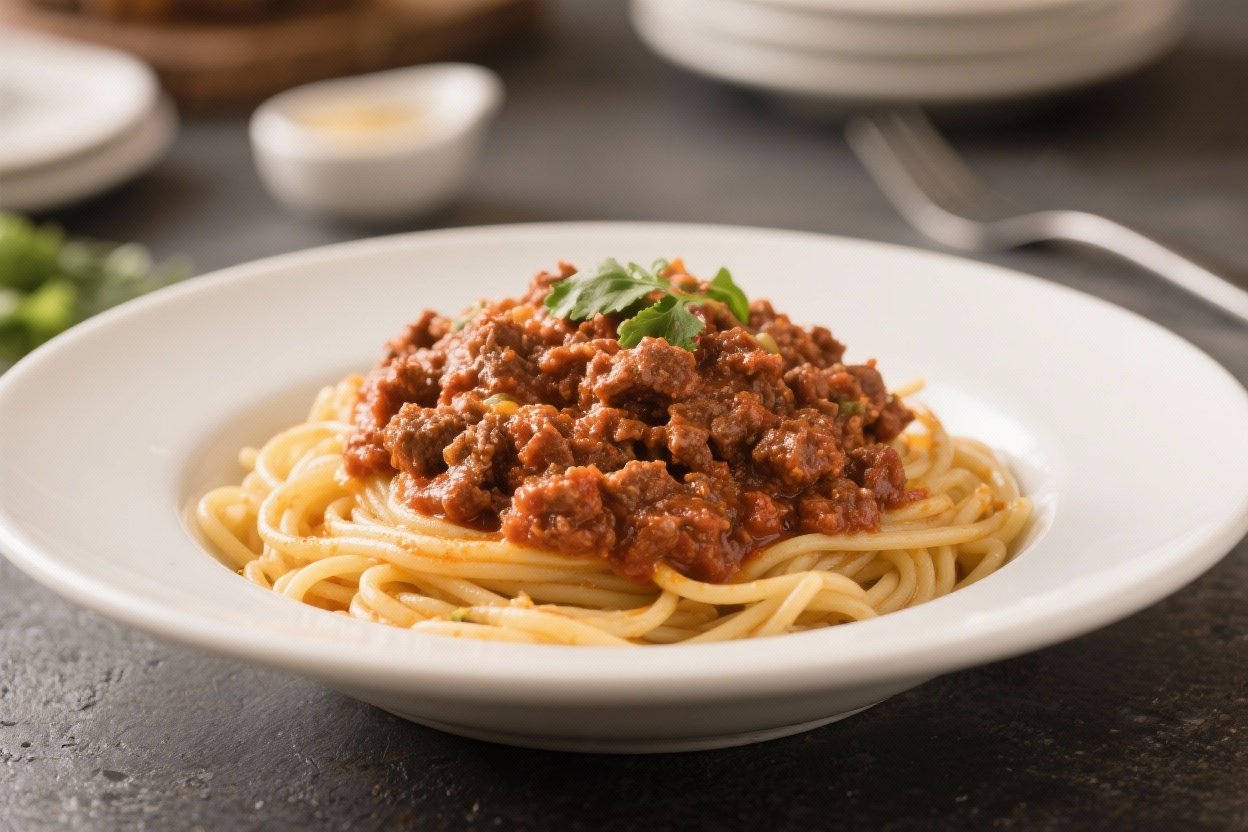
A good spaghetti meat sauce is the kind of meal that makes your kitchen smell like home. This version is thick, rich, and deeply savory, thanks to slow simmering and a few smart flavor boosters. It’s simple enough for a weeknight but special enough to serve company.
Make a big batch and enjoy it all week, or freeze half for later. If you’ve been looking for a go-to red sauce, this is the one to keep in your back pocket.
What Makes This Special
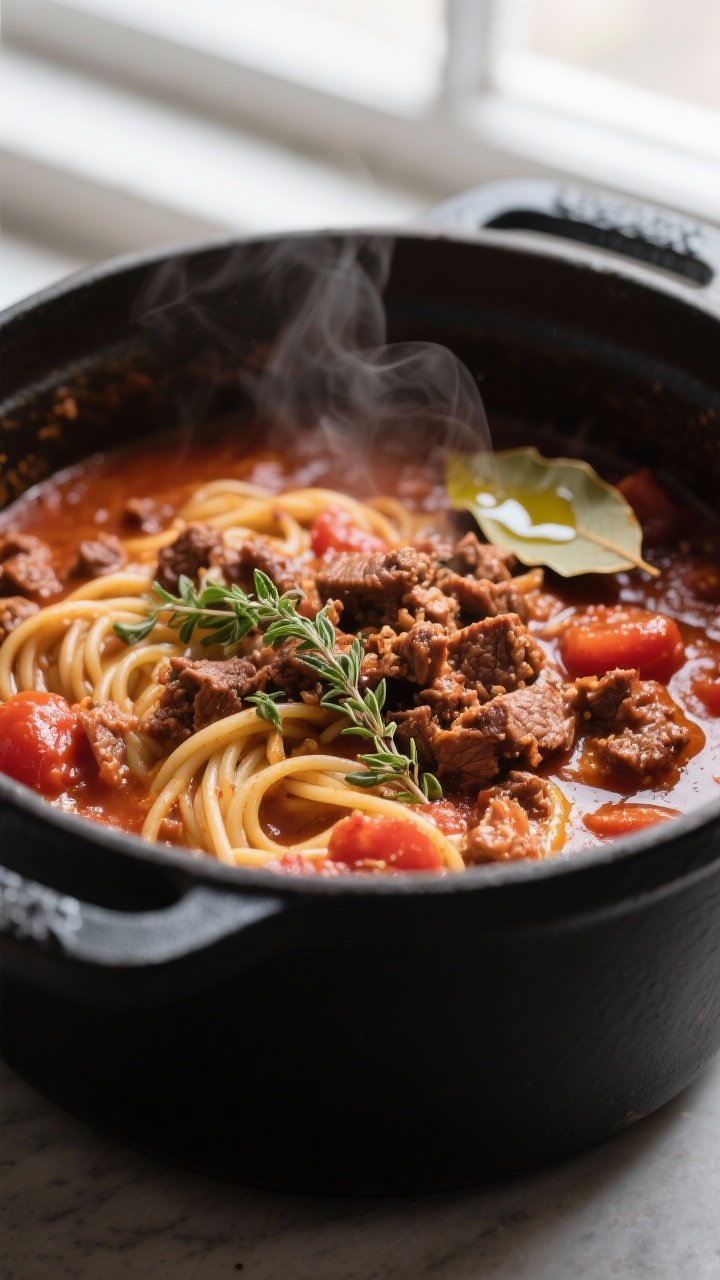
- Slow-simmered flavor: Low and slow cooking coaxes out sweetness from tomatoes and richness from the meat.
- Balanced and savory: A touch of wine, a hint of anchovy or Worcestershire, and a pinch of sugar balance acidity and add depth.
- Versatile base: Great with spaghetti, lasagna, stuffed shells, or over polenta.
- Meal-prep friendly: Tastes even better the next day and freezes perfectly.
- Simple technique: Everyday ingredients, no fancy steps—just patience and stirring.
Ingredients
- 2 tablespoons olive oil
- 1 tablespoon unsalted butter (optional for richness)
- 1 large yellow onion, finely diced
- 1 medium carrot, finely diced
- 1 celery stalk, finely diced
- 4 cloves garlic, minced
- 1.5 pounds ground beef (80–85% lean) or a mix of beef and pork
- 1 teaspoon kosher salt, plus more to taste
- 1/2 teaspoon freshly ground black pepper
- 1/2 teaspoon red pepper flakes (optional for gentle heat)
- 2 tablespoons tomato paste
- 1/2 cup dry red wine (or beef broth)
- 1 (28-ounce) can crushed tomatoes
- 1 (15-ounce) can tomato sauce or passata
- 1 cup low-sodium beef broth (plus more as needed)
- 1–2 teaspoons sugar, to taste (optional, to balance acidity)
- 1 teaspoon dried oregano
- 1 teaspoon dried basil (or 1 tablespoon chopped fresh basil near the end)
- 1 bay leaf
- 1 teaspoon Worcestershire sauce or 1 anchovy fillet, minced (umami booster)
- 1/3 cup whole milk or half-and-half (added at the end for silkiness, optional)
- Fresh parsley or basil, chopped, for serving
- Freshly grated Parmesan, for serving
- Cooked spaghetti or pasta of choice
How to Make It
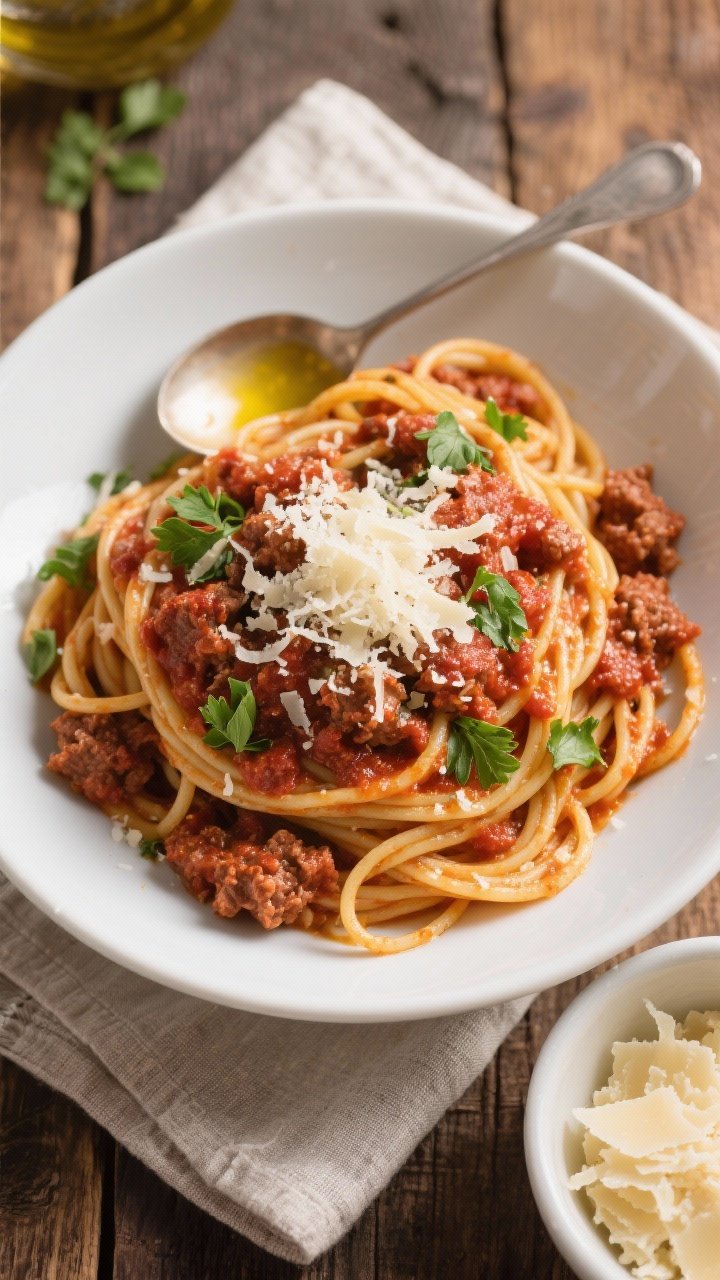
- Warm the pot: Set a heavy pot or Dutch oven over medium heat. Add olive oil and butter and let the butter melt.
- Build the flavor base: Add onion, carrot, and celery with a pinch of salt.
Cook 6–8 minutes, stirring, until soft and lightly golden. Add garlic and cook 30–60 seconds until fragrant.
- Brown the meat well: Add ground beef (and pork if using). Season with salt and pepper.
Break it up and cook 8–10 minutes until browned with some crispy bits. Spoon off excess fat if needed, but leave a little for flavor.
- Toast the tomato paste: Stir in tomato paste and red pepper flakes. Cook 2 minutes until the paste darkens slightly—this deepens the flavor.
- Deglaze: Pour in red wine.
Scrape up browned bits from the bottom. Let it simmer 2–3 minutes until reduced by about half.
- Add tomatoes and seasonings: Stir in crushed tomatoes, tomato sauce, beef broth, oregano, basil, bay leaf, and Worcestershire or anchovy. Add 1 teaspoon sugar to start.
- Low and slow simmer: Bring to a gentle bubble, then reduce heat to low.
Partially cover and simmer 60–90 minutes, stirring every 10–15 minutes. Add a splash of broth if it gets too thick.
- Finish and balance: Remove bay leaf. Stir in milk for a velvety finish.
Taste and adjust salt, pepper, and sugar. If it needs brightness, add a splash of red wine vinegar.
- Serve: Toss with hot spaghetti and a ladle of pasta cooking water if needed to loosen. Top with parsley or basil and plenty of Parmesan.
Storage Instructions
- Fridge: Cool completely, then store in airtight containers for up to 4 days.
- Freezer: Portion into freezer-safe containers or bags.
Freeze up to 3 months. Label with date.
- Reheat: Warm gently on the stove over low heat with a splash of water or broth. Stir often.
- Make-ahead tip: The flavor improves overnight.
Consider making it a day before serving.
Why This is Good for You
- Protein-rich: Ground meat supports fullness and muscle maintenance.
- Vegetable boost: Onion, carrot, and celery add fiber, vitamins, and natural sweetness.
- Lycopene from tomatoes: Cooked tomatoes are a great source of this antioxidant.
- Customizable fat levels: Use leaner meat or drain fat to fit your preferences.
- Portion control friendly: A hearty sauce helps a smaller serving of pasta feel satisfying.
Pitfalls to Watch Out For
- Rushing the simmer: Less than an hour won’t develop full flavor. Aim for 60–90 minutes.
- Skipping the tomato paste toasting: Raw paste tastes flat. Give it those 2 minutes.
- Under-salting: Taste at the end; tomatoes need adequate salt to shine.
- Too thick or too thin: If it’s tight, add broth.
If it’s watery, simmer uncovered to reduce.
- Burning the bottom: Keep heat low and stir often, especially during the last half hour.
Variations You Can Try
- Mushroom boost: Add 8 ounces finely chopped cremini with the aromatics for extra umami.
- Italian sausage mix: Swap half the beef for sweet or hot Italian sausage, casings removed.
- Balsamic finish: Stir in 1–2 teaspoons balsamic vinegar at the end for subtle sweetness and depth.
- Herb-forward: Finish with fresh basil and parsley instead of dried herbs.
- Creamier style: Add 1/4 cup heavy cream instead of milk for a richer, almost vodka-sauce vibe.
- Veggie-packed: Stir in finely grated zucchini or bell pepper with the mirepoix to sneak in more vegetables.
- Spicy arrabbiata twist: Increase red pepper flakes to 1–1.5 teaspoons and add a pinch of smoked paprika.
- Gluten-free friendly: Serve over gluten-free pasta, zucchini noodles, or creamy polenta.
FAQ
Can I make this without wine?
Yes. Use beef broth for deglazing and add a teaspoon of red wine vinegar at the end if you want a little tang and complexity.
What’s the best meat blend?
A 50/50 mix of ground beef and pork gives great flavor and tenderness. All beef works well too—choose 80–85% lean for the best balance of richness and moisture.
How do I avoid a bitter sauce?
Toast the tomato paste, simmer low and slow, and balance with a pinch of sugar or a splash of milk.
If it still tastes harsh, add a small knob of butter or a touch of balsamic.
Can I use fresh tomatoes?
You can, but canned tomatoes are consistent year-round. If using fresh, peel, seed, and crush about 3 pounds of ripe tomatoes and simmer a bit longer to concentrate.
How much pasta should I cook?
Plan on 12–16 ounces of dry spaghetti for this amount of sauce, depending on how saucy you like it.
Is this freezer-friendly?
Absolutely. Cool completely, portion, and freeze up to 3 months.
Thaw overnight in the fridge, then reheat gently with a splash of water or broth.
Can I make it in a slow cooker?
Yes. Brown the meat and aromatics on the stove first, then transfer to a slow cooker with the remaining ingredients (except milk). Cook on Low for 6–8 hours.
Stir in milk at the end.
What cheese works best on top?
Freshly grated Parmesan or Pecorino Romano adds the right salty, nutty finish. Avoid pre-shredded if possible; it melts and tastes better when freshly grated.
Wrapping Up
This hearty homemade spaghetti meat sauce is all about simple ingredients, patience, and balance. Once it simmers into a deep, savory pot of goodness, you’ll have a reliable classic that works any night of the week.
Make it once, tweak it to your taste, and it’ll quickly become your signature sauce. Serve generously, pass the Parmesan, and enjoy.
Printable Recipe Card
Want just the essential recipe details without scrolling through the article? Get our printable recipe card with just the ingredients and instructions.