Italian-Style Spaghetti With Meatballs and Rich Marinara – A Comforting Classic Done Right
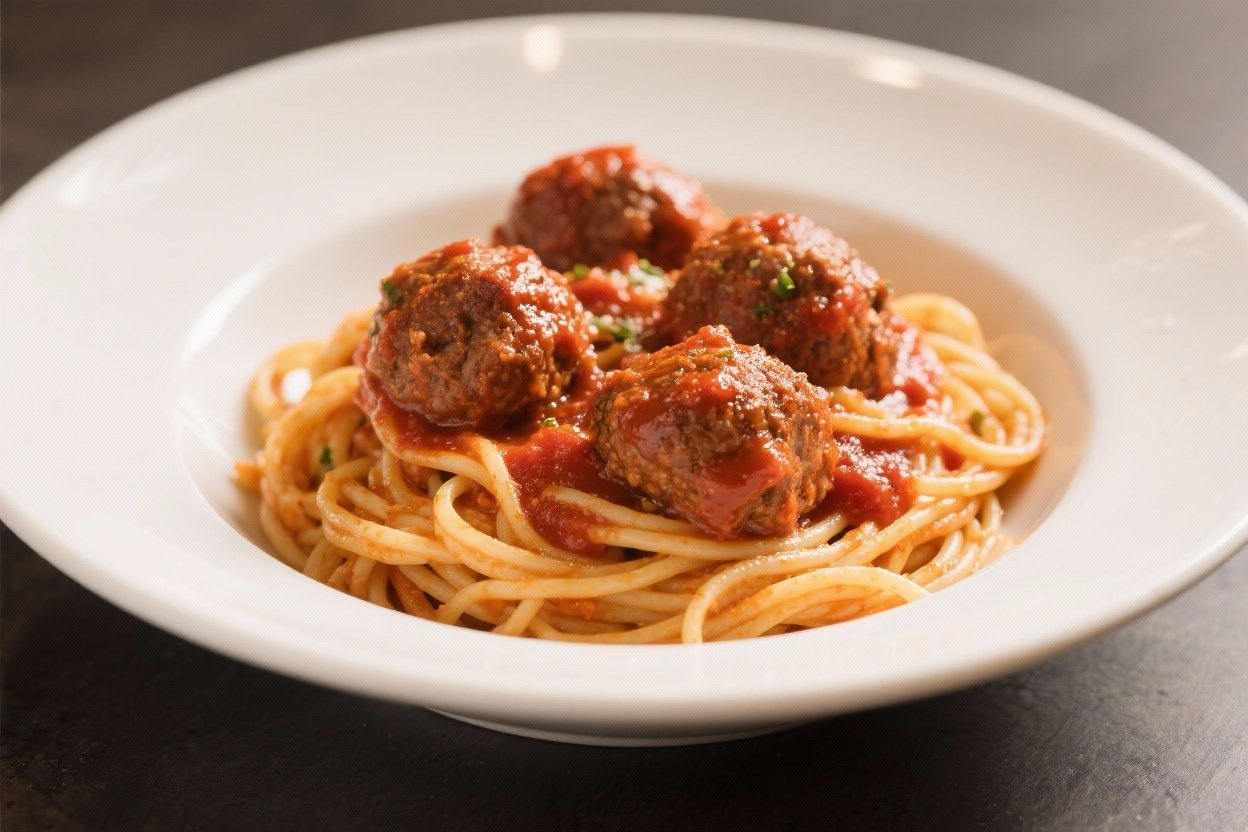
Spaghetti and meatballs is the kind of dinner that makes a weeknight feel like a warm hug. It’s simple, satisfying, and endlessly crowd-pleasing. This version leans Italian-style, with tender meatballs, a slow-simmered marinara, and spaghetti cooked just to a gentle bite.
The result is a balanced, rich dish that doesn’t feel heavy. If you want something timeless and reliable with big flavor, this is it.
What Makes This Special
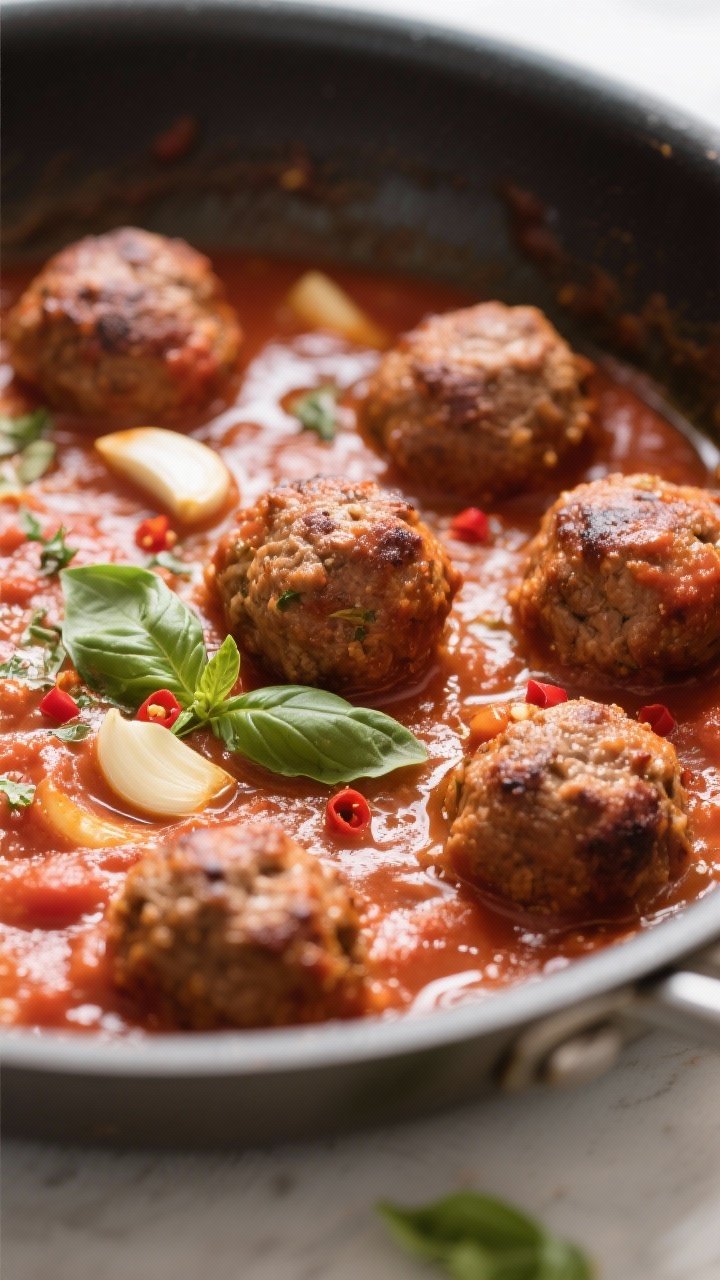
This recipe keeps things straightforward but thoughtful. The meatballs are tender thanks to a mix of ground beef and pork, a light breadcrumb soak, and just enough cheese for richness.
The marinara cooks low and slow, letting tomato, garlic, and olive oil do the heavy lifting. Fresh basil brightens everything at the end. The final touch—finishing the pasta in the sauce—brings the whole dish together so every strand is coated and flavorful.
Ingredients
- For the marinara:
- 3 tablespoons extra-virgin olive oil
- 1 small yellow onion, finely diced
- 4 garlic cloves, thinly sliced
- 1/2 teaspoon red pepper flakes (optional)
- 2 cans (28 ounces each) crushed tomatoes or whole peeled San Marzano tomatoes, crushed by hand
- 1 teaspoon sugar (optional, to balance acidity)
- 1 teaspoon dried oregano
- 1 bay leaf
- Salt and freshly ground black pepper, to taste
- Handful of fresh basil leaves, torn
- For the meatballs:
- 1/2 cup milk
- 1 cup fresh breadcrumbs (or panko)
- 1 pound ground beef (80–85% lean)
- 1/2 pound ground pork
- 1/2 cup finely grated Parmesan or Pecorino Romano
- 2 tablespoons finely chopped fresh parsley
- 2 garlic cloves, minced
- 1 large egg
- 1 teaspoon kosher salt
- 1/2 teaspoon black pepper
- 1/2 teaspoon dried oregano
- Olive oil, for searing
- For the pasta:
- 12–16 ounces spaghetti
- Kosher salt for pasta water
- To serve:
- Fresh basil, torn
- Extra grated Parmesan
- Olive oil, for drizzling
How to Make It
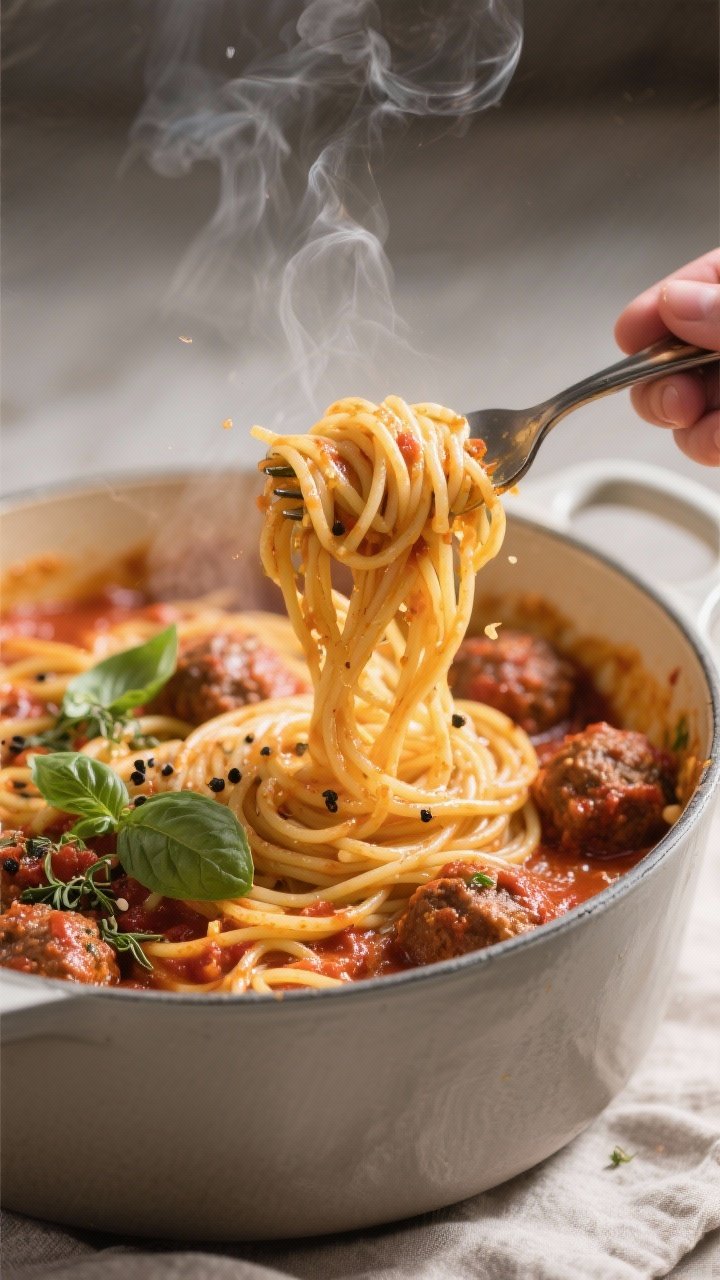
- Start the marinara. Warm olive oil in a large pot over medium heat.
Add onion with a pinch of salt and cook until soft and translucent, about 6–8 minutes. Stir in garlic and red pepper flakes, and cook 1 minute until fragrant.
- Add tomatoes and seasonings. Pour in crushed tomatoes. Add oregano, bay leaf, a small pinch of sugar if using, and season with salt and pepper.
Bring to a gentle simmer, reduce heat to low, and cook uncovered for 30–40 minutes, stirring occasionally.
- Make the breadcrumb panade. In a large bowl, combine milk and breadcrumbs. Let it sit 5 minutes until the crumbs absorb the milk and turn soft. This is key to tender, moist meatballs.
- Mix the meatballs. Add beef, pork, Parmesan, parsley, garlic, egg, salt, pepper, and dried oregano to the bowl.
Mix with your hands just until combined. Do not overwork the meat or the meatballs will be tough.
- Shape and sear. Form 1 1/2-inch meatballs and set on a tray. Heat a thin layer of olive oil in a large skillet over medium-high heat. Sear meatballs in batches until browned on two sides, about 4–6 minutes total.
They don’t need to be cooked through.
- Finish meatballs in the sauce. Nestle browned meatballs into the simmering marinara. Cover partially and cook 20–25 minutes, turning once, until cooked through and tender.
- Cook the pasta. Bring a large pot of salted water to a boil. Add spaghetti and cook until just shy of al dente.
Reserve 1 cup of pasta water, then drain.
- Marry pasta and sauce. Transfer spaghetti to the sauce pot. Add a splash of pasta water and toss over low heat for 1–2 minutes until the sauce clings. Adjust salt and pepper.
Stir in torn basil and a drizzle of olive oil for shine.
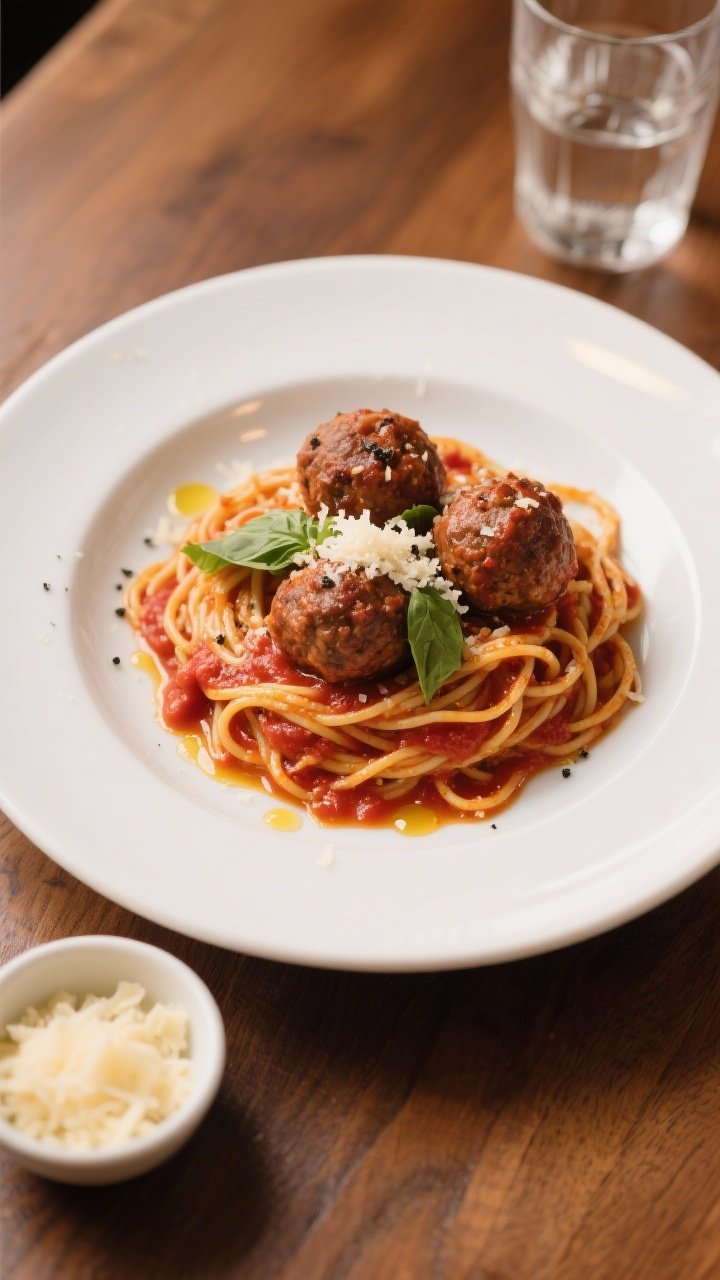
- Serve. Plate spaghetti, top with meatballs, spoon over extra marinara, and finish with Parmesan and basil. A little cracked pepper on top is perfect.
Keeping It Fresh
Leftovers keep well and often taste better the next day. Store pasta and meatballs in sauce in airtight containers in the fridge for up to 4 days.
For freezing, cool completely, then freeze meatballs and sauce together for up to 3 months. Reheat gently on the stove with a splash of water to loosen. Cook fresh spaghetti when ready to serve for the best texture.
Why This is Good for You
There’s comfort here, but also balance.
The tomatoes bring lycopene, an antioxidant that becomes more bioavailable when cooked with olive oil. Lean proteins from beef and pork provide iron and B vitamins. Fresh basil and garlic add aroma and potential anti-inflammatory benefits.
If you watch portions and pair with a crisp salad, this can be a hearty but reasonable meal.
What Not to Do
- Don’t skip the panade. Dry breadcrumbs alone don’t cut it. The milk-soaked crumbs keep meatballs light and juicy.
- Don’t overmix or compress the meat. Gentle handling gives you tender texture. Tight packing leads to dense meatballs.
- Don’t boil the sauce hard. A fast boil can make it sharp and reduce too much.
A steady, low simmer builds depth without bitterness.
- Don’t cook pasta too early. Cook it right before serving, then finish in the sauce so it absorbs flavor.
- Don’t forget to season the pasta water. It should taste like the sea. This is your first chance to season the pasta itself.
Alternatives
- Meat swaps: Use all beef, or try a mix of beef, pork, and veal for classic Italian-American flavor. Turkey works, too—add a touch more olive oil for moisture.
- Cheese choices: Pecorino brings a saltier bite, while Parmesan is milder.
Choose based on the richness you like.
- Breadcrumbs: Gluten-free breadcrumbs work well. You can also use fresh bread torn into pieces and soaked in milk.
- Herbs: Parsley is standard, but a bit of finely chopped fresh oregano or thyme is nice. Keep basil for finishing so it stays bright.
- Spice level: For heat, increase red pepper flakes.
For mild, skip them entirely.
- Pasta shapes: Spaghetti is classic, but bucatini, rigatoni, or mezzi rigatoni grab sauce beautifully.
- Vegetarian path: Make meatless “meatballs” with ricotta, spinach, and breadcrumbs, or use well-seasoned lentil or mushroom balls. Keep the same marinara.
FAQ
Can I bake the meatballs instead of pan-searing?
Yes. Arrange on a lightly oiled sheet pan and bake at 425°F (220°C) for 12–15 minutes until browned, then finish in the sauce.
You’ll skip the stovetop splatter and still get great results.
How do I prevent tough meatballs?
Use the milk-and-breadcrumb panade, don’t overwork the mixture, and shape with a light touch. Avoid cooking them at a rapid boil in the sauce—gentle simmering keeps them tender.
Do I need sugar in the sauce?
Not always. If your tomatoes are naturally sweet, skip it.
If the sauce tastes a bit sharp, a small pinch of sugar or a pat of butter can balance the acidity without making it sweet.
Can I make the sauce ahead?
Absolutely. The marinara holds for up to 4 days in the fridge and freezes well. Reheat gently and add fresh basil at the end for a just-made taste.
What’s the best way to salt the pasta water?
Use about 1 1/2 to 2 tablespoons kosher salt per gallon of water.
It should taste pleasantly salty, not briny. This ensures the pasta itself has flavor before it meets the sauce.
Should I rinse the pasta?
No. Rinsing removes the surface starch that helps the sauce cling.
Drain, then move it straight into the sauce to finish together.
Can I use fresh tomatoes?
Yes, in peak season. Blanch, peel, and crush about 4–5 pounds of ripe plum tomatoes. Simmer a bit longer to concentrate the flavor, and adjust salt as needed.
Final Thoughts
This is a simple recipe built on good habits: a gentle simmer, tender meatballs, and pasta finished in the sauce.
It’s unfussy, deeply comforting, and reliable for family dinners or casual gatherings. Keep the flavors clean, season with intention, and let the ingredients speak. A little basil, a shower of cheese, and you’ve got a classic that never gets old.