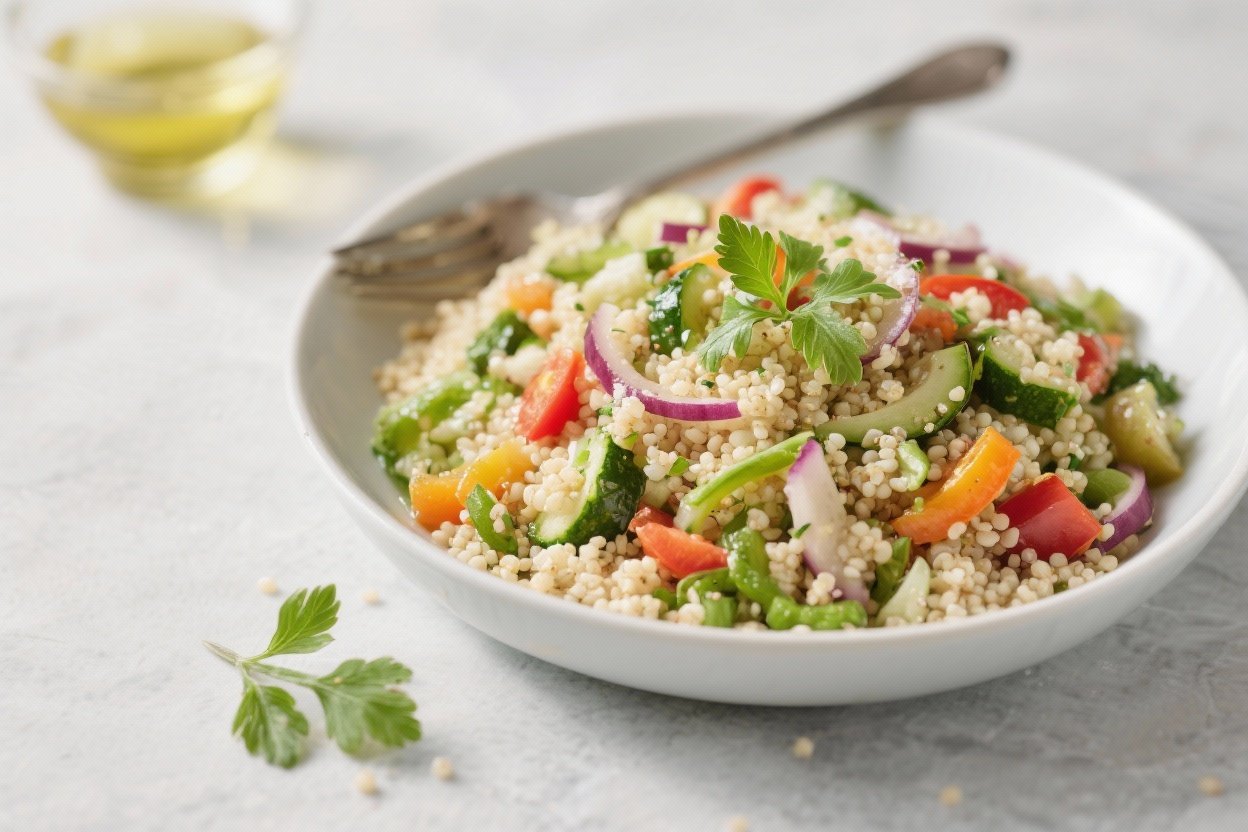
Light Spring Couscous Salad With Vegetables and Olive Oil – Fresh, Simple, and Satisfying
This couscous salad tastes like spring in a bowl: crisp vegetables, bright lemon, and silky olive oil all tossed with fluffy couscous. It comes together fast and makes a great lunch, side dish, or light dinner. You can make it ahead, serve it cold or at room temperature, and easily tweak the veggies based on what you have.
It’s simple, colorful, and reliably delicious without a lot of fuss.
Why This Recipe Works
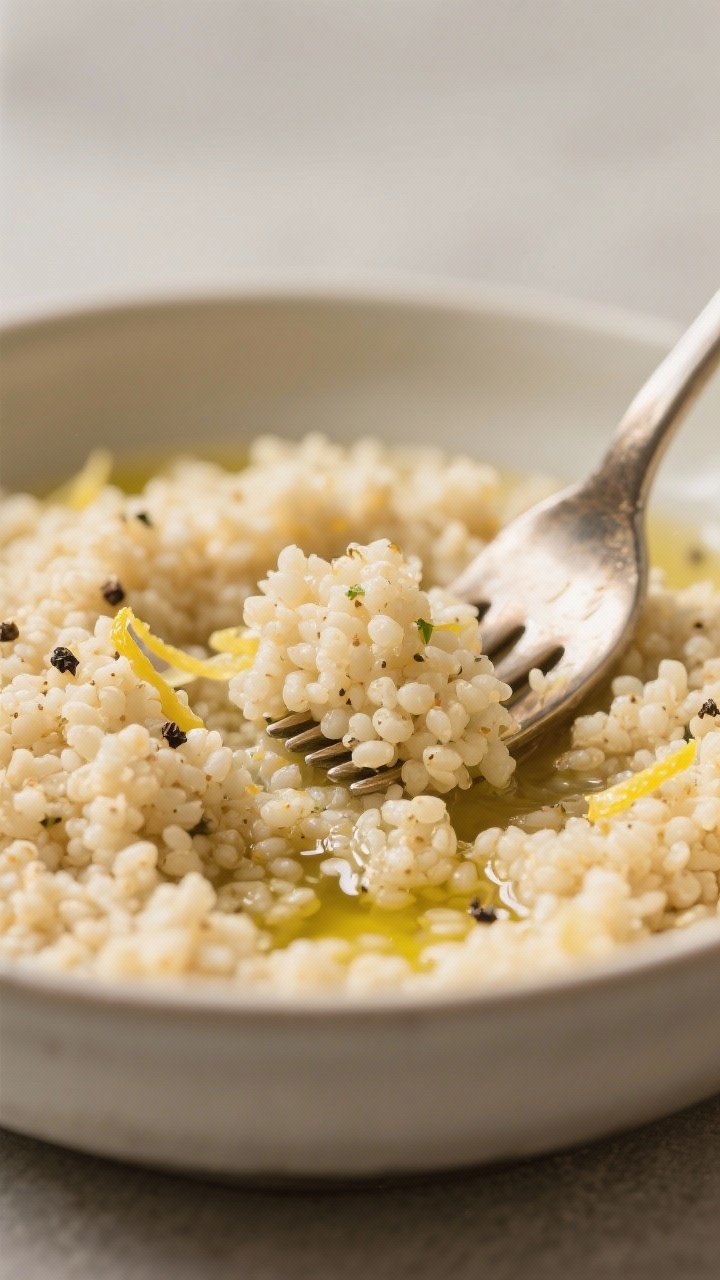
This salad is built on balance: tender couscous, crunchy veggies, and a mellow, zesty dressing. The heat-free “steep” method keeps the couscous light and fluffy, not gluey. Fresh lemon brightens everything, while good olive oil brings richness and ties the flavors together.
A handful of herbs gives it a clean finish that keeps each bite lively and satisfying.
It’s also flexible. If you’re short on one ingredient, there’s always a swap that works. This versatility means you can make it year-round, though spring produce makes it shine.
Best of all, it holds up well in the fridge, so leftovers taste great the next day.
What You’ll Need
- Couscous: 1 cup of regular or whole-wheat couscous.
- Water or broth: 1 cup, hot. Broth adds more flavor.
- Olive oil: 3–4 tablespoons, ideally extra-virgin for the best taste.
- Lemon: 1 large, for zest and juice.
- English cucumber: 1 small, diced.
- Cherry tomatoes: 1 cup, halved or quartered.
- Red bell pepper: 1 small, diced.
- Radishes: 4–5, thinly sliced for crunch.
- Red onion or shallot: 1/4 cup, finely minced.
- Fresh herbs: 1/2 cup total (parsley and mint are great), chopped.
- Feta cheese (optional): 1/2 cup, crumbled.
- Chickpeas (optional): 1 can, drained and rinsed, for extra protein.
- Seasonings: 1 teaspoon Dijon mustard, 1/2 teaspoon honey or maple syrup, salt, and black pepper.
How to Make It
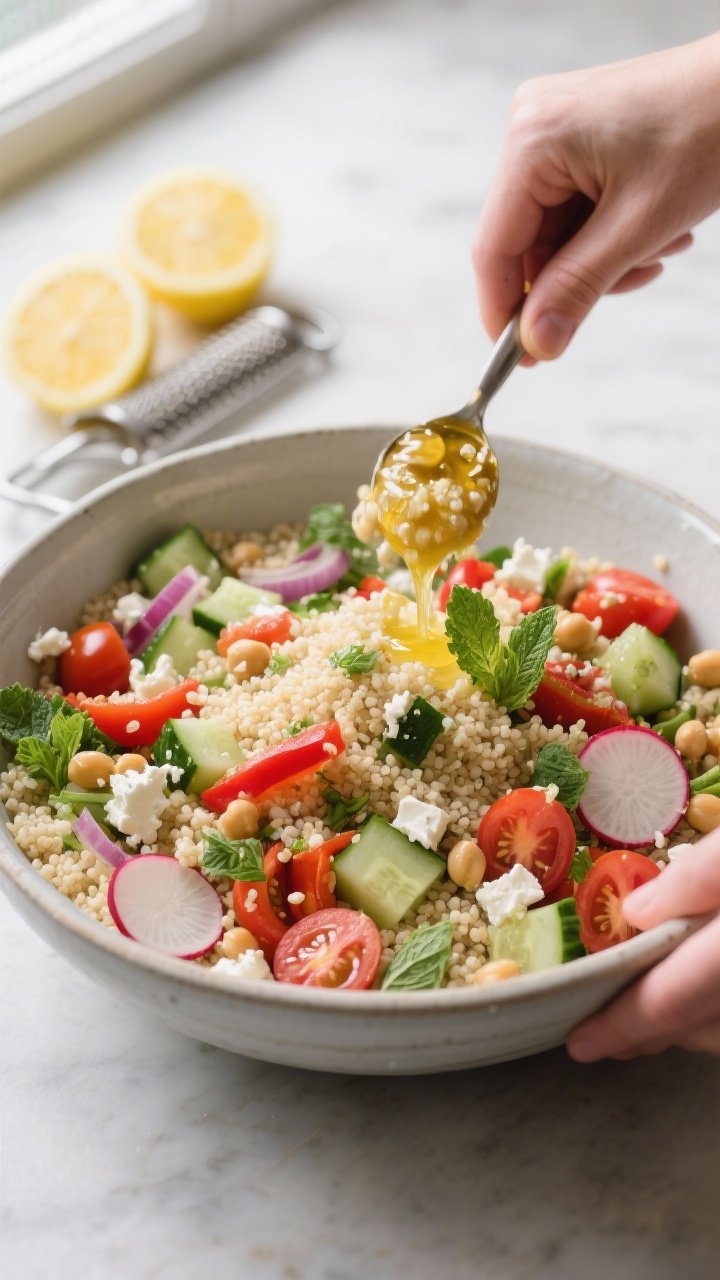
- Prep the couscous: Bring the water or broth to a boil. Place couscous in a heatproof bowl with a pinch of salt and 1 tablespoon olive oil.
Pour hot liquid over it, cover, and let it sit for 5 minutes.
- Fluff properly: Uncover and fluff with a fork to separate the grains. Let it cool to room temperature so it doesn’t wilt the vegetables.
- Chop the vegetables: Dice cucumber and bell pepper, slice radishes, halve the tomatoes, and mince the onion or shallot. Keep the pieces small for even bites.
- Make the dressing: In a small jar or bowl, whisk 2–3 tablespoons olive oil with the lemon juice, lemon zest, Dijon, and honey.
Season generously with salt and pepper.
- Toss it together: Add the cooled couscous to a large bowl. Fold in the vegetables and herbs. If using chickpeas and feta, add them now.
- Dress and season: Pour the dressing over the salad and toss gently.
Taste and adjust with more salt, pepper, or lemon to brighten.
- Rest and serve: Let the salad sit for 10 minutes to absorb flavors. Serve at room temperature or chilled.
How to Store
Transfer leftovers to an airtight container and refrigerate for up to 3 days. The flavors deepen overnight, but you may want to add a squeeze of lemon and a drizzle of olive oil before serving to refresh it.
If using delicate herbs like mint, you can stir in a little fresh mint right before eating to keep it vibrant.
Tip: If the salad releases a bit of liquid after chilling, just toss again. The couscous will reabsorb some moisture, and the salad will perk back up.
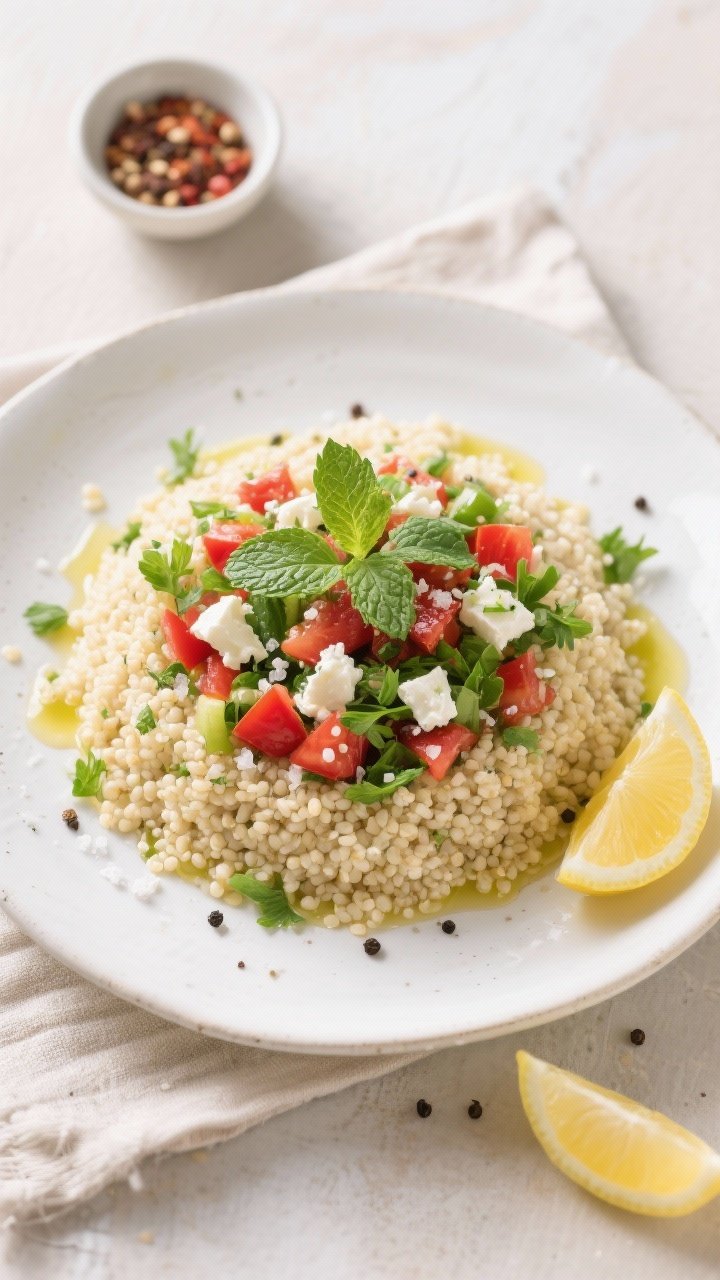
Benefits of This Recipe
- Quick and convenient: Couscous steeps in minutes, making this a reliable weeknight option.
- Light but satisfying: Fresh vegetables keep it crisp, while olive oil and optional chickpeas make it filling.
- Flexibility built-in: Use any mix of spring vegetables and herbs you like. It’s hard to go wrong.
- Meal-prep friendly: Holds up well for lunches and picnics.
No reheating required.
- Nutritious: Packed with fiber, vitamins, and healthy fats from good olive oil.
What Not to Do
- Don’t overhydrate the couscous: Use a 1:1 ratio of couscous to hot liquid. Too much liquid makes it mushy.
- Don’t skip the fluffing: Fluff with a fork after steaming to keep the texture light.
- Don’t add hot couscous to raw vegetables: It will steam the vegetables and dull the fresh crunch.
- Don’t forget to season: Salt the dressing and the salad. Couscous needs seasoning to shine.
- Don’t drown it in oil: Use enough to coat and flavor, not overwhelm.
You can always add more at the end.
Variations You Can Try
- Mediterranean twist: Add olives, capers, and sun-dried tomatoes. Use oregano with parsley.
- Green-on-green: Swap in peas, snap peas, and thinly shaved asparagus. Add extra mint and a little basil.
- Protein boost: Fold in grilled chicken, flaked tuna, or seared halloumi.
Use an extra tablespoon of olive oil to keep it moist.
- Spice it up: Add a pinch of cumin and Aleppo pepper or red pepper flakes to the dressing.
- Lemon-garlic: Grate 1 small garlic clove into the dressing and add extra zest for a punchier flavor.
- Gluten-free swap: Replace couscous with quinoa or millet. Cook according to package directions and let cool before mixing.
- Herb-forward: Use a full cup of herbs with parsley, mint, dill, and chives for a tabbouleh-style vibe.
FAQ
Can I make this salad ahead of time?
Yes. Assemble it up to a day in advance and refrigerate.
Add a little lemon juice and olive oil before serving to wake up the flavors. If using very delicate herbs, sprinkle some fresh herbs on top just before eating.
What kind of couscous should I use?
Regular or whole-wheat couscous works best for a quick salad. Pearl (Israeli) couscous is also great, but it needs to be cooked like pasta and cooled before tossing.
The texture will be chewier, which some people love.
How do I keep the vegetables crisp?
Let the couscous cool completely before mixing. Salt the dressing, not the vegetables directly, until everything is combined. If you’re serving much later, hold back tomatoes and herbs and add them right before serving.
Do I have to use Dijon and honey?
No, but they help emulsify the dressing and balance the lemon.
If you prefer, skip honey and use a pinch of sugar, or leave it out for a sharper finish. Grainy mustard also works.
What’s the best olive oil for this?
Use a fresh, fruity extra-virgin olive oil with low bitterness. Since the dressing is simple, the oil’s flavor stands out.
If your oil is very peppery, you may want a touch more honey to balance it.
Can I serve it warm?
It’s best at room temperature or chilled. If you want it slightly warm, let the couscous cool just until it stops steaming, then add sturdy vegetables first and delicate ones later. Avoid mixing piping hot couscous with all the veggies at once.
How can I make it more filling?
Add chickpeas, lentils, or grilled chicken.
You can also scatter toasted nuts like almonds or pistachios for extra crunch and healthy fats. A little more feta boosts richness without weighing the salad down.
Final Thoughts
This Light Spring Couscous Salad with Vegetables and Olive Oil proves that simple ingredients can deliver big flavor. It’s fresh, quick, and endlessly adaptable, making it perfect for busy weeknights or easy entertaining.
Keep good olive oil and a lemon on hand, and you’re halfway there. Once you try it, you’ll want to keep it in your regular rotation all season long.