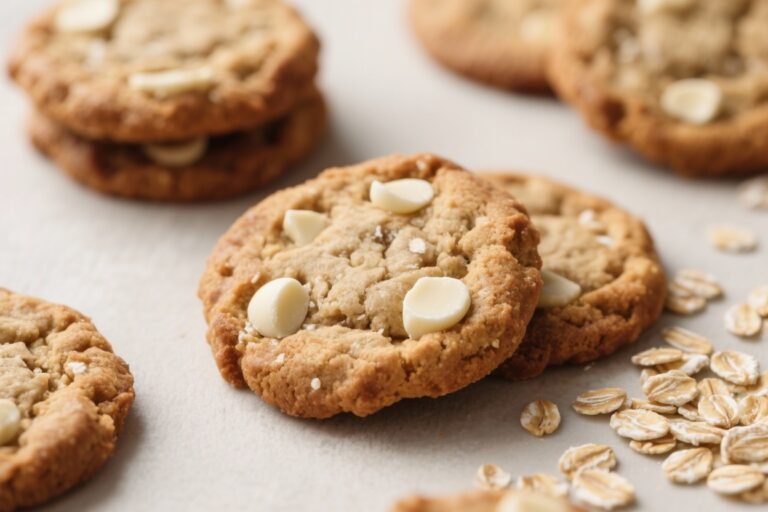
Simple Gluten-Free Snack Cake Using Oat Flour – Easy, Cozy, and Delicious
This is the kind of cake you make on a weekday afternoon and enjoy with coffee or tea. It’s tender, lightly sweet, and comes together with pantry basics—no fancy techniques needed. Oat flour keeps it gluten-free without weird textures, and the crumb stays soft and moist.
If you’ve been craving a cake that feels homemade and honest, this one delivers. It’s the simple snack cake you’ll want on repeat.
What Makes This Special

This snack cake is all about ease. You can whisk it up in one bowl, and it bakes in a standard 8-inch or 9-inch pan.
There’s no mixer required, and the ingredients are straightforward—oat flour, eggs, milk, and oil. The texture is soft and tender, not gummy or crumbly like some gluten-free cakes. The flavor is warm and toasty thanks to oat flour and a hint of cinnamon.
It’s also flexible.
You can swap sugars, change the add-ins, and adjust the sweetness. It’s great plain, with a dusting of powdered sugar, or a quick glaze. Think of it as your base recipe for a hundred cozy variations.
Ingredients
- 2 cups (200 g) oat flour (certified gluten-free if needed)
- 1/2 cup (100 g) granulated sugar (or coconut sugar)
- 1/4 cup (50 g) light brown sugar (adds moisture and flavor)
- 1 1/2 teaspoons baking powder
- 1/2 teaspoon baking soda
- 1/2 teaspoon fine salt
- 1 teaspoon ground cinnamon (optional but lovely)
- 2 large eggs, room temperature
- 3/4 cup (180 ml) milk (dairy or unsweetened non-dairy)
- 1/3 cup (75 ml) neutral oil (like canola, sunflower, or light olive)
- 2 teaspoons vanilla extract
- 2 tablespoons yogurt or sour cream (dairy or non-dairy; helps tenderness)
- Optional add-ins: 1/2 cup chocolate chips, blueberries, or chopped nuts
- Optional topping: 1–2 tablespoons coarse sugar for crunch
How to Make It

- Prep the pan and oven. Heat the oven to 350°F (175°C).
Grease an 8-inch square pan (or 9-inch round) and line the bottom with parchment for easy release.
- Whisk the dry ingredients. In a large bowl, whisk together the oat flour, granulated sugar, brown sugar, baking powder, baking soda, salt, and cinnamon until well combined.
- Mix the wet ingredients. In a separate bowl or large measuring cup, whisk the eggs, milk, oil, vanilla, and yogurt until smooth.
- Combine gently. Pour the wet mixture into the dry ingredients. Whisk just until no dry spots remain. The batter will be slightly thick and silky.
If adding mix-ins, fold them in now.
- Pan and top. Spread the batter into the prepared pan, smoothing the top. Sprinkle with coarse sugar if you’d like a crisp, crackly top.
- Bake. Bake for 22–28 minutes, depending on pan size and oven. The cake is done when the top is lightly golden and a toothpick comes out clean or with a few moist crumbs.
- Cool and serve. Let the cake cool in the pan for 10–15 minutes, then lift it out with the parchment and cool on a rack.
Slice warm or at room temperature.
Keeping It Fresh
This cake stays moist for several days. Store it in an airtight container at room temperature for up to 2 days. After that, move it to the fridge for another 2–3 days.
Bring chilled slices to room temperature before eating, or warm briefly in the microwave.
To freeze, wrap individual squares in plastic or parchment and place in a freezer bag. They keep well for up to 2 months. Thaw at room temperature or microwave for 20–30 seconds.

Benefits of This Recipe
- Gluten-free without the fuss. Oat flour is affordable, easy to find, and makes a tender crumb.
- One-bowl friendly. Less cleanup, faster results.
- Balanced sweetness. Sweet enough to feel like cake, but not cloying—perfect for snacking.
- Flexible ingredients. Use dairy or non-dairy milk, swap sugars, and change the flavors easily.
- Whole-grain goodness. Oat flour adds fiber and a naturally nutty flavor.
Pitfalls to Watch Out For
- Using homemade oat flour that’s too coarse. If you grind oats at home, blend until very fine and sift.
Coarse flour can make the cake gritty.
- Overmixing the batter. Oat flour hydrates quickly. Stir just until combined to keep the crumb soft.
- Overbaking. This cake dries out if baked too long. Start checking a few minutes early and pull it when the center tests clean.
- Skipping salt. A small amount of salt brightens flavor and balances sweetness.
- Not using certified gluten-free oats when needed. If you’re baking for someone with celiac disease, make sure the oat flour is certified GF.
Variations You Can Try
- Lemon Blueberry. Add the zest of 1 lemon, 1 tablespoon lemon juice, and 3/4 cup fresh or frozen blueberries (tossed in a little oat flour).
- Cinnamon Sugar Crust. Mix 2 tablespoons sugar with 1/2 teaspoon cinnamon and sprinkle over the batter before baking.
- Chocolate Chip. Fold in 1/2–3/4 cup chocolate chips and a pinch of espresso powder for depth.
- Apple Spice. Add 1/2 cup finely chopped apple and 1/4 teaspoon nutmeg.
Reduce milk by 2 tablespoons to balance moisture.
- Maple Pecan. Swap half the granulated sugar for maple syrup (reduce milk by 2 tablespoons) and stir in 1/2 cup chopped pecans.
- Banana Oat. Replace the yogurt with 1/3 cup mashed ripe banana and reduce sugar by 2 tablespoons.
- Dairy-Free. Use almond or oat milk and a non-dairy yogurt. The texture stays tender.
FAQ
Can I make oat flour at home?
Yes. Blend rolled oats in a high-speed blender until very fine, then sift.
Measure after grinding for accuracy. For strict gluten-free needs, use certified gluten-free oats.
What pan size works best?
An 8-inch square pan gives a slightly taller cake, while a 9-inch round bakes a bit faster and thinner. Both work well.
For a loaf pan, extend the baking time and keep an eye on the center.
Can I replace the eggs?
You can try two flax eggs (2 tablespoons ground flax + 5 tablespoons water, rested 5 minutes). The cake will be a touch denser but still tasty. Add an extra tablespoon of oil if it seems dry.
Is this cake very sweet?
No.
It’s gently sweet, meant for snacking. If you prefer a dessert-level sweetness, add 2–3 tablespoons extra sugar or finish with a glaze.
How do I make a quick glaze?
Whisk 1/2 cup powdered sugar with 1–2 tablespoons milk and a few drops of vanilla or lemon juice. Drizzle over the cooled cake.
Why add both baking powder and baking soda?
Baking powder gives steady lift, while baking soda balances acidity from yogurt and helps browning.
Together, they create a soft, light crumb.
Can I use a different flour?
Oat flour is key to the texture, but you can swap up to 25% with almond flour for extra moisture. Avoid using only rice flour—it will be dry and crumbly without other adjustments.
How do I prevent the cake from sticking?
Grease the pan and line the bottom with parchment. Lift the cake out after 10–15 minutes of cooling to avoid steam sogging the bottom.
Can I lower the sugar?
Yes.
Reduce by up to 3 tablespoons without major texture changes. Go further and the cake may turn drier; add 1 more tablespoon yogurt to compensate.
What if my batter looks too thick?
Oat flour absorbs moisture fast. If the batter is stodgy, whisk in 1–2 tablespoons milk until it looks smooth and pourable but not runny.
Wrapping Up
This simple gluten-free snack cake proves that oat flour can be soft, flavorful, and easy to work with.
The batter stirs together in minutes, and the result is a tender, cozy slice that fits any time of day. Keep it plain, add fruit or chocolate, or finish with a light glaze. However you make it, this is a reliable, feel-good recipe you’ll keep in your back pocket.