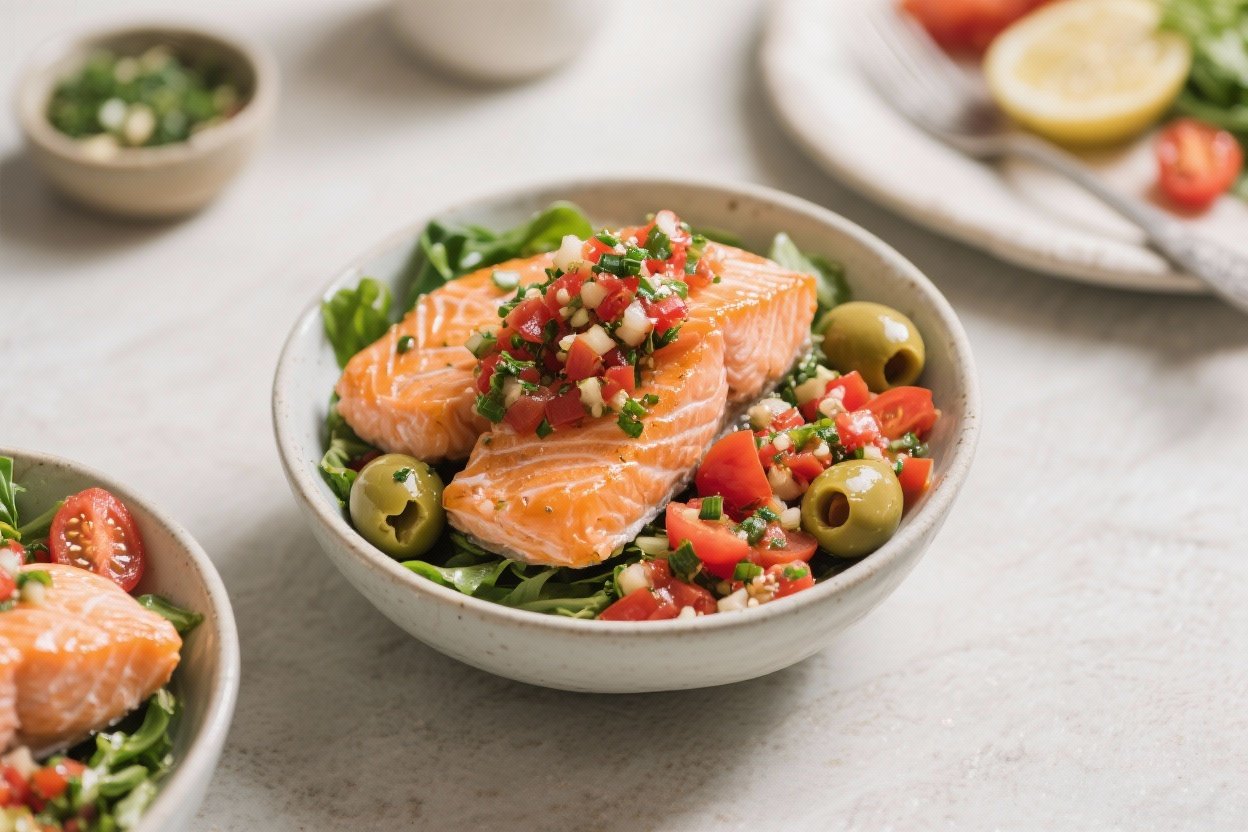
Mediterranean Salmon Bowls With Olive and Tomato Salsa – Fresh, Bright, and Satisfying
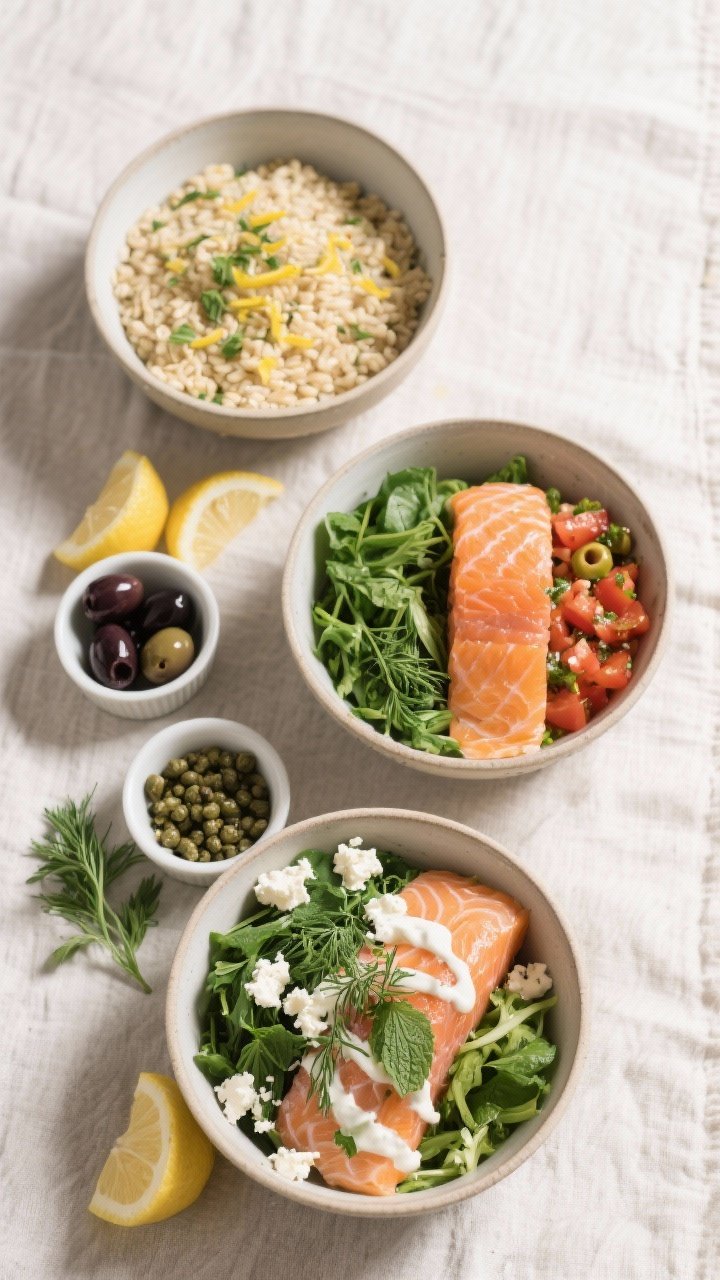
These salmon bowls are fresh, colorful, and easy enough for a weeknight. You get flaky salmon, lemony grains, crisp veggies, and a briny olive and tomato salsa that ties everything together. It’s the kind of meal that feels light but still fills you up.
The flavors are bright and balanced, and the prep is straightforward. If you like simple, clean food that tastes like summer, this one’s for you.
What Makes This Special
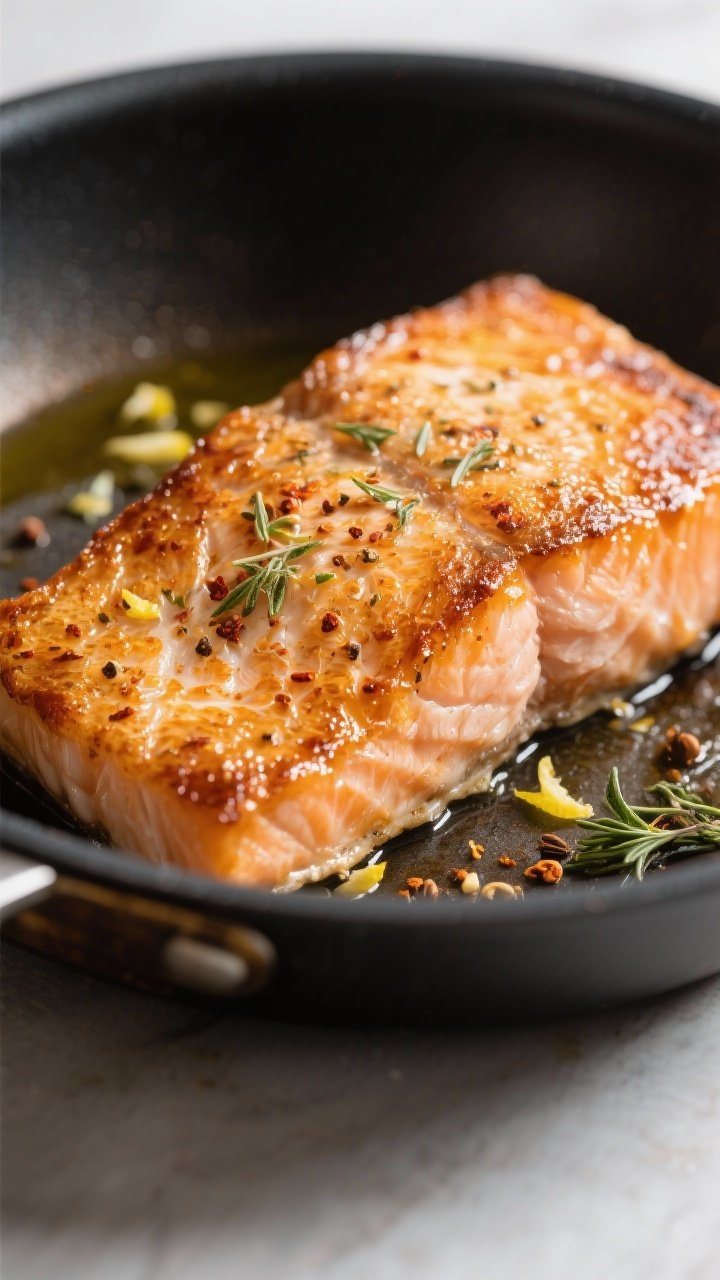
This bowl layers textures and flavors in a way that feels complete without being heavy. The salmon is seasoned simply so the olive and tomato salsa can shine.
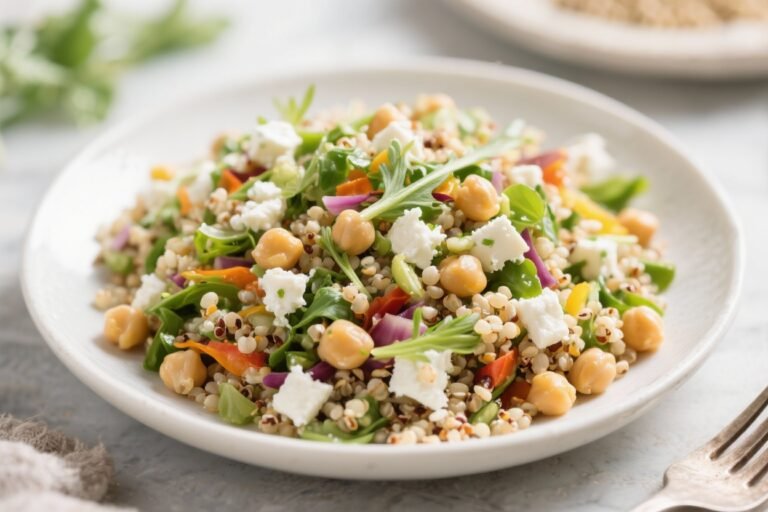
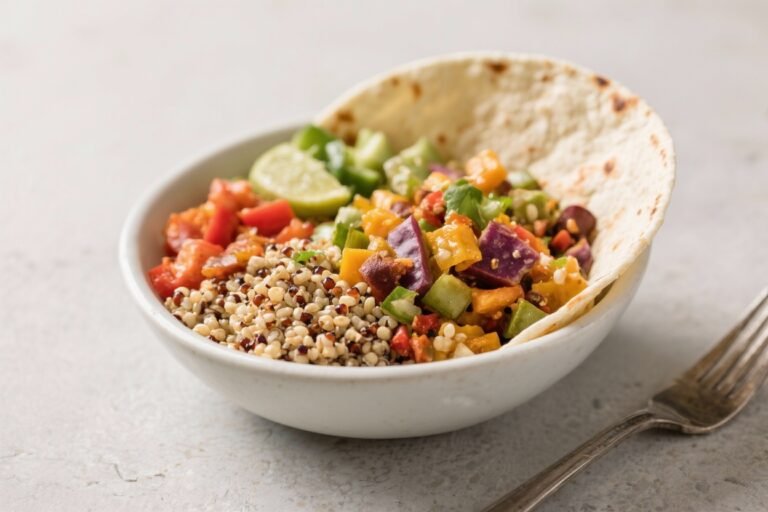
A base of grains—like couscous, farro, or quinoa—soaks up lemon and herbs for extra flavor. Fresh cucumbers, greens, and a creamy yogurt drizzle add crunch and coolness. It’s a wholesome, one-bowl meal that’s easy to scale for meal prep or a casual dinner party.
What You’ll Need
- Salmon: 4 skin-on fillets (about 5–6 oz each)
- Olive oil: For cooking and dressing
- Lemon: Zest and juice of 1 large lemon
- Garlic: 2–3 cloves, minced
- Spices: 1 tsp dried oregano, 1/2 tsp smoked paprika, 1/2 tsp ground cumin, pinch of red pepper flakes (optional)
- Salt and pepper: To taste
- Grains: 2 cups cooked couscous, quinoa, or farro
- Fresh herbs: 1/4 cup chopped parsley, 2 tbsp chopped dill or mint
- Greens: 2 cups baby spinach, arugula, or mixed greens
- Cucumber: 1 small, diced
- Red onion: 1/4 small, finely diced
- Cherry tomatoes: 1 1/2 cups, halved or quartered
- Kalamata olives: 1/2 cup, pitted and chopped
- Capers: 1 tbsp, rinsed (optional but great)
- Feta: 1/3 cup crumbled
- Greek yogurt sauce: 1/2 cup Greek yogurt, 1 tbsp olive oil, 1 tsp lemon juice, pinch of salt
Instructions
- Cook the grains. Prepare your grain of choice according to package directions.
Fluff with a fork. Stir in half the lemon zest, a drizzle of olive oil, and a pinch of salt. Set aside.
- Make the olive and tomato salsa. In a bowl, combine cherry tomatoes, olives, capers, red onion, half the parsley, and a tablespoon of olive oil.
Add a squeeze of lemon juice, a pinch of oregano, salt, and pepper. Taste and adjust acidity and salt. Set aside to marinate.
- Mix the yogurt sauce. Stir Greek yogurt with olive oil, lemon juice, and a pinch of salt until smooth.
Thin with a teaspoon of water if needed for drizzling.
- Season the salmon. Pat the salmon dry. Rub with 1–2 tablespoons olive oil, garlic, oregano, smoked paprika, cumin, remaining lemon zest, salt, and pepper.
- Cook the salmon. Heat a large skillet over medium-high heat. Place salmon skin-side down and cook 4–5 minutes until the skin is crisp and the sides turn opaque.
Flip and cook 2–3 minutes more, or until just cooked through. Tip: Aim for medium; the salmon should flake but still be moist.
- Toss the greens and cucumber. In a bowl, combine greens and cucumber with a light drizzle of olive oil, a squeeze of lemon, and a pinch of salt. Keep it simple and bright.
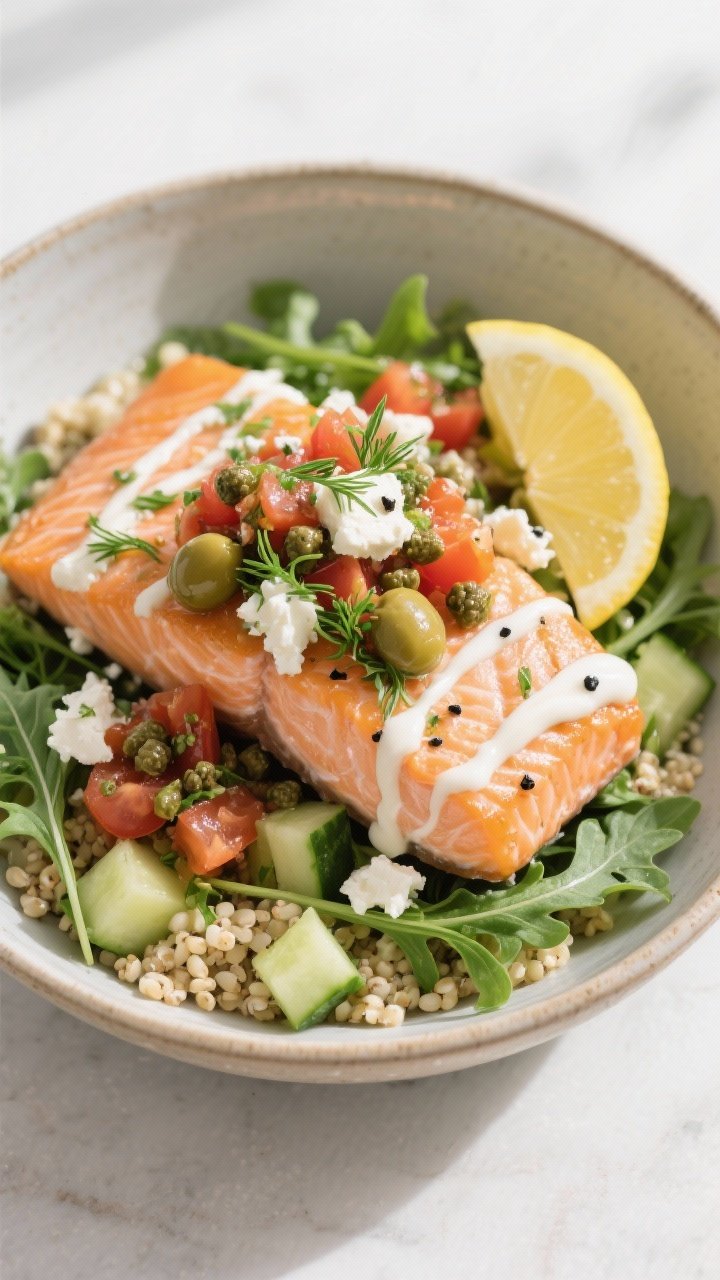
- Assemble the bowls. Spoon grains into bowls. Add the dressed greens and cucumber.
Top with a salmon fillet. Spoon the olive and tomato salsa over the salmon. Finish with crumbled feta, dill or mint, and a generous drizzle of the yogurt sauce.
- Final touch. Crack fresh pepper over the top and add a small squeeze of lemon if you like extra brightness.
Storage Instructions
- Cooked salmon: Store in an airtight container in the fridge for up to 3 days.
Reheat gently or enjoy cold.
- Grains: Keep refrigerated for up to 4 days. Revive with a splash of olive oil and lemon before serving.
- Salsa: Best within 2 days. The tomatoes will soften, but the flavor stays great.
- Yogurt sauce: Refrigerate up to 4 days.
Stir before using.
- Meal prep tip: Pack components separately to keep textures fresh. Assemble right before eating.
Health Benefits
- Omega-3s from salmon: Supports heart, brain, and joint health.
- Fiber-rich base: Whole grains and veggies support digestion and steady energy.
- Antioxidants: Tomatoes, olives, and herbs provide protective plant compounds.
- Balanced plate: Protein, complex carbs, and healthy fats help you feel satisfied without heaviness.
- Lower sodium control: Making it at home lets you manage salt levels while keeping flavor high.
What Not to Do
- Don’t overcook the salmon. Dry salmon loses its buttery texture. Pull it when it flakes but stays juicy.
- Don’t skip seasoning the grains. A little lemon, oil, and herbs make the whole bowl taste better.
- Don’t drown the bowl in sauce. A drizzle is enough.
You want balance, not heaviness.
- Don’t use dull tomatoes. The salsa depends on sweet, ripe tomatoes. If they’re bland, add a pinch of sugar and extra lemon.
- Don’t forget texture. Crisp greens and cucumber keep the bowl lively. Add nuts if you like crunch.
Variations You Can Try
- Lemon-herb rice: Swap grains for brown rice with extra dill and lemon juice.
- Spiced chickpea add-in: Roast chickpeas with paprika and cumin for more protein and crunch.
- Grilled salmon: Fire up the grill for smoky flavor.
Brush grates with oil and cook 3–4 minutes per side.
- Different fish: Try trout, halibut, or cod. Adjust cook time—white fish cooks faster.
- Dairy-free: Skip feta and use a tahini-lemon sauce instead of yogurt.
- Extra veg: Add roasted zucchini, peppers, or eggplant to make it heartier.
- Heat lovers: Stir Calabrian chili paste or red pepper flakes into the salsa.
FAQ
Can I use frozen salmon?
Yes. Thaw it overnight in the fridge or in a sealed bag under cold water.
Pat dry very well before seasoning so it crisps in the pan.
What’s the best grain for this bowl?
Couscous for speed, quinoa for a light feel, and farro for a hearty, nutty bite. Use what you enjoy or what you have on hand.
How do I know when the salmon is done?
It should flake easily with a fork and look slightly translucent in the center. If you use a thermometer, aim for around 125–130°F for medium.
Can I bake the salmon instead?
Absolutely.
Roast at 400°F for 10–12 minutes, depending on thickness. Brush with oil and season as directed.
What olives work best?
Kalamata are classic, but Castelvetrano olives are great if you want a milder, buttery flavor. Use pitted olives to save time.
How can I make this ahead for lunches?
Cook the salmon and grains, mix the yogurt sauce, and chop the salsa components but keep them separate.
Assemble right before eating or in the morning.
Is there a gluten-free option?
Yes. Use quinoa or brown rice instead of couscous or farro, and double-check your spices and capers for gluten-free labels.
Can I make it without dairy?
Yes. Skip the feta and use a tahini-lemon sauce or a simple olive oil and lemon drizzle.
What if I don’t like raw onion?
Soak the diced onion in cold water for 10 minutes, then drain.
It tames the bite without losing flavor.
How do I keep the salmon skin crispy?
Make sure the pan is hot, the fillets are dry, and don’t move them for the first few minutes of cooking. Press gently with a spatula to keep full contact with the pan.
In Conclusion
Mediterranean Salmon Bowls with Olive and Tomato Salsa offer a fresh, balanced meal that’s easy to love and easy to make. Simple techniques and quality ingredients do the heavy lifting, giving you bright flavor and great texture in every bite.
Make it your own with different grains, veggies, and sauces, and keep it in your rotation for quick weeknights and meal prep alike. It’s wholesome food that feels like a treat—no fuss required.
Printable Recipe Card
Want just the essential recipe details without scrolling through the article? Get our printable recipe card with just the ingredients and instructions.