
Almond Flour Chocolate Chip Cookies – Soft, Chewy, and Naturally Gluten-Free
If you love a soft, chewy cookie with melty chocolate and a slightly nutty flavor, these Almond Flour Chocolate Chip Cookies are about to be your new favorite. They’re simple to make, naturally gluten-free, and you don’t need any special equipment. The dough mixes up in minutes and bakes into golden edges with tender centers.
Whether you’re baking for a crowd or stocking your cookie jar, this recipe is reliable, cozy, and easy to customize. Grab a bowl, and let’s make something sweet.
Why This Recipe Works

Almond flour brings rich flavor and softness that all-purpose flour can’t match. Because almond flour is high in fat and naturally sweet, it creates a cookie that tastes buttery even before the butter goes in.
A touch of cornstarch and an extra egg yolk keep the centers chewy and tender, while a short chill helps the cookies hold shape.
Using brown sugar adds moisture and caramel notes, balancing the nuttiness of the almond flour. A mix of chocolate chips and chopped chocolate creates pools of chocolate in every bite. The recipe is forgiving and flexible, so you can adjust sweetness, chocolate, or add-ins to your taste.
Shopping List
- Almond flour (finely ground; not almond meal)
- Unsalted butter, melted and slightly cooled
- Brown sugar (light or dark)
- Granulated sugar
- Large egg
- Egg yolk
- Vanilla extract
- Baking soda
- Cornstarch (optional, for extra softness)
- Kosher salt
- Chocolate chips or chopped dark chocolate
- Flaky sea salt (optional, for topping)
Instructions
- Prep your pan and oven: Heat the oven to 350°F (175°C).
Line two baking sheets with parchment paper.
- Mix the wet ingredients: In a large bowl, whisk 1/2 cup melted unsalted butter, 1/2 cup brown sugar, and 1/4 cup granulated sugar until smooth and glossy, about 30 seconds. Whisk in 1 large egg, 1 extra egg yolk, and 2 teaspoons vanilla until combined.
- Whisk the dry ingredients: In a separate bowl, stir together 2 1/2 cups almond flour, 1/2 teaspoon baking soda, 1 teaspoon cornstarch, and 1/2 teaspoon kosher salt. Break up any almond flour clumps with your fingers or a whisk.
- Combine: Add the dry ingredients to the wet and fold with a spatula until no dry spots remain.
The dough will be thick and a little sticky.
- Add chocolate: Fold in 1 to 1 1/4 cups chocolate chips or chopped chocolate. Use more if you like very chocolatey cookies.
- Chill briefly: Chill the dough for 20–30 minutes to firm it up. This helps control spreading and improves texture.
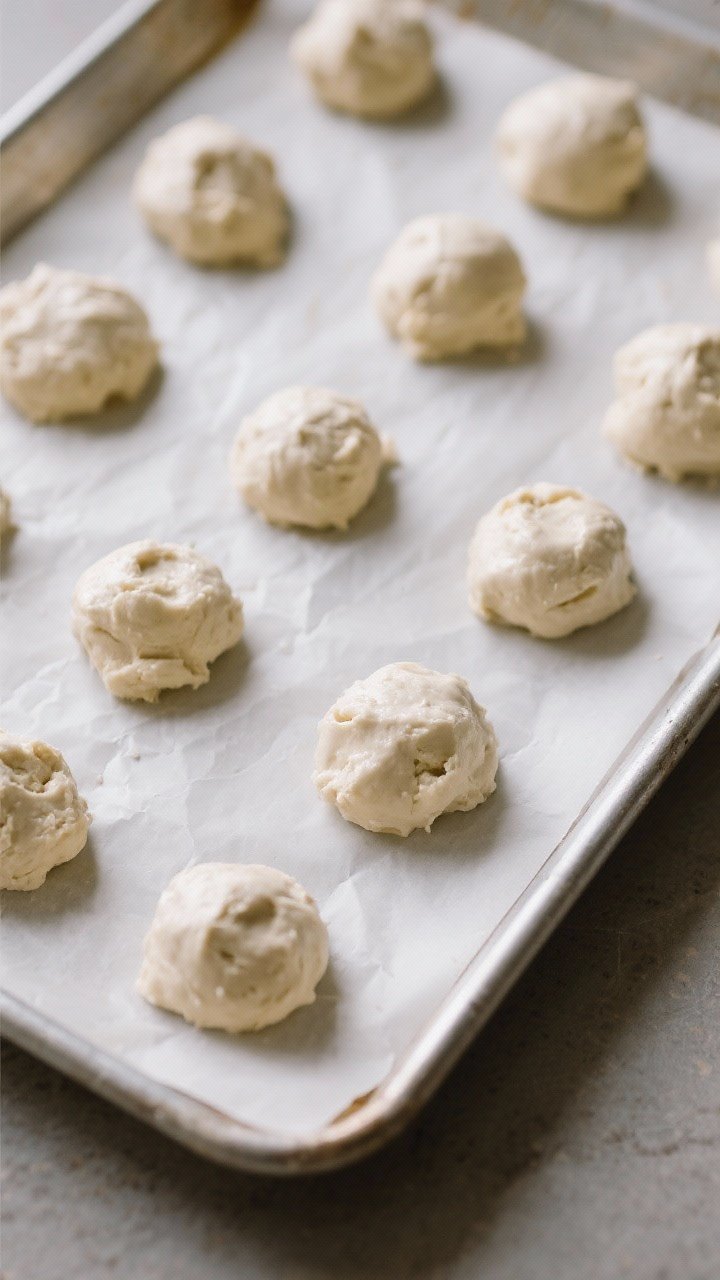
- Scoop: Scoop 1 1/2-tablespoon mounds (a medium cookie scoop works well) and space them 2 inches apart on the prepared sheets.
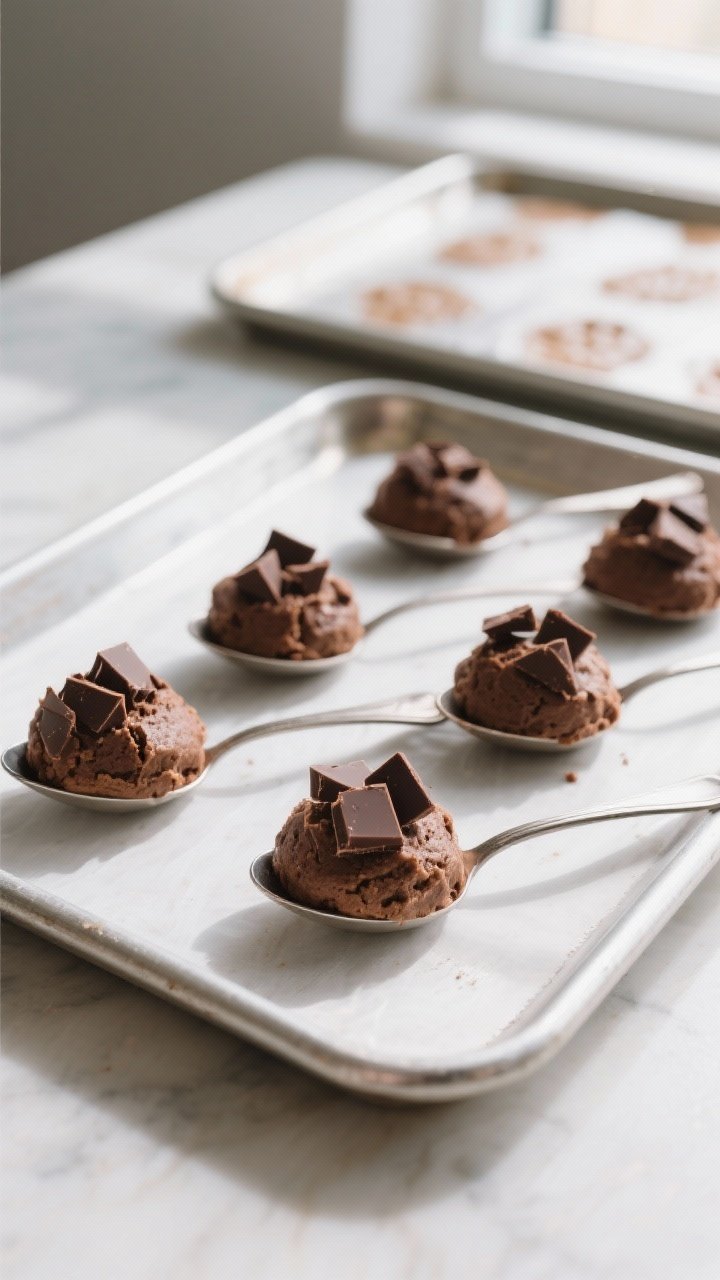
For picture-perfect cookies, press a few extra chips on top.
- Bake: Bake for 10–12 minutes, until edges are set and lightly golden but centers still look soft. Almond flour browns quickly; keep an eye on them.
- Finish: If using, sprinkle a pinch of flaky sea salt on hot cookies. Let them cool on the sheet for 5 minutes, then transfer to a rack to cool completely.
They’ll firm up as they cool.
Keeping It Fresh
Cool the cookies fully before storing, or steam will make them soft and sticky. Store in an airtight container at room temperature for up to 4 days. For longer storage, freeze cookies in a single layer, then move to a freezer bag for up to 2 months.
To freeze unbaked dough, scoop portions onto a sheet, freeze until solid, and store in a bag.
Bake straight from frozen at 350°F, adding 1–2 extra minutes. If your stored cookies soften, a quick 2–3 minute warm-up in a 300°F oven revives the edges.
Why This is Good for You
Almond flour is naturally gluten-free and contains healthy fats, vitamin E, and a bit of protein. These fats help keep you satisfied longer compared to cookies made with refined flour alone.
The recipe uses less flour by weight than traditional versions, and the almonds’ natural sweetness means you can reduce sugar slightly without losing flavor.
You’re also getting a better texture without additives. If you want to take it a step further, you can use dark chocolate (70% cacao) for more antioxidants and less sugar per bite.
Common Mistakes to Avoid
- Using almond meal: Almond meal is coarser and includes skins. It makes dense, gritty cookies.
Use finely ground almond flour for the best texture.
- Skipping the chill: Warm dough spreads too much. A short chill keeps cookies thick and chewy.
- Overbaking: Almond flour browns fast. Pull cookies when edges are golden and centers look soft; they set as they cool.
- Packing almond flour: If you scoop and pack it, you’ll add too much and the cookies turn dry.
Fluff the flour, spoon into the cup, and level off, or weigh it for accuracy.
- Too little salt: Almond flour is sweet. A touch more salt than usual balances flavor and makes the chocolate pop.
Recipe Variations
- Brown Butter: Brown the butter, cool to room temp, then proceed. Expect deeper, toasty flavor.
If the dough seems loose, add 1–2 tablespoons more almond flour.
- Dairy-Free: Use melted coconut oil or a vegan butter. Add 1 extra tablespoon almond flour if the dough feels oily.
- Less Sugar: Reduce granulated sugar by 2 tablespoons. The cookies stay tender and sweet enough, thanks to almond flour.
- Chunky Mix-Ins: Add 1/2 cup chopped toasted pecans, walnuts, or shredded coconut for crunch.
- Spiced: Stir in 1/2 teaspoon cinnamon and a pinch of cardamom for cozy, warm notes.
- Salted Dark Chocolate: Use 70–80% dark chocolate and finish with flaky sea salt for a bakery-style cookie.
- Mini Cookies: Scoop 1 tablespoon portions and bake 8–9 minutes.
Perfect for lunchboxes or sharing.
FAQ
Can I use coconut flour instead of almond flour?
No. Coconut flour absorbs far more liquid and will make the dough dry and crumbly. If you need a nut-free option, look for an oat flour or gluten-free blend recipe designed for that flour.
Do I need xanthan gum?
Not for this recipe.
Almond flour has enough fat and protein to create a cohesive cookie without gums. The egg and egg yolk also help bind and tenderize.
How do I prevent the cookies from spreading too much?
Chill the dough for at least 20 minutes, and make sure your butter isn’t hot when mixing. If your first tray spreads more than you like, chill the remaining dough longer or add 1–2 tablespoons almond flour.
What kind of almond flour should I buy?
Choose blanched, finely ground almond flour.
It’s pale, smooth, and bakes into a tender crumb. Avoid coarse grind or almond meal with skins.
Can I make the dough ahead?
Yes. Store the dough in the fridge for up to 48 hours.
Let it sit at room temperature for 10–15 minutes if it gets too firm to scoop, then bake as directed.
How do I get bakery-style crinkly tops?
After scooping, roll dough mounds lightly into balls and press a few chocolate pieces on top. Halfway through baking, tap the pan gently on the rack to settle the centers, then finish baking.
Can I make them vegan?
Use a plant-based butter and replace the egg and yolk with 3 tablespoons aquafaba or a flax egg (1 tablespoon ground flax + 3 tablespoons water, rested 10 minutes). Expect a slightly different texture but still delicious results.
Why are my cookies crumbly?
They were likely overbaked or had too much almond flour.
Next time, weigh your flour if possible and pull the cookies earlier. Let them cool on the tray to set before moving.
In Conclusion
These Almond Flour Chocolate Chip Cookies are soft, rich, and satisfyingly chocolatey, with a gentle nuttiness that makes them special. The method is simple, the ingredients are easy to find, and the results feel like a bakery treat made at home.
Keep a batch of dough in the freezer, and you’ll always be minutes away from warm cookies. Once you try them, they’ll become your go-to for weeknights, parties, and everything in between.

Printable Recipe Card
Want just the essential recipe details without scrolling through the article? Get our printable recipe card with just the ingredients and instructions.