Vegan Vegetable Teriyaki Rice Bowl – A Fresh, Flavor-Packed Weeknight Meal
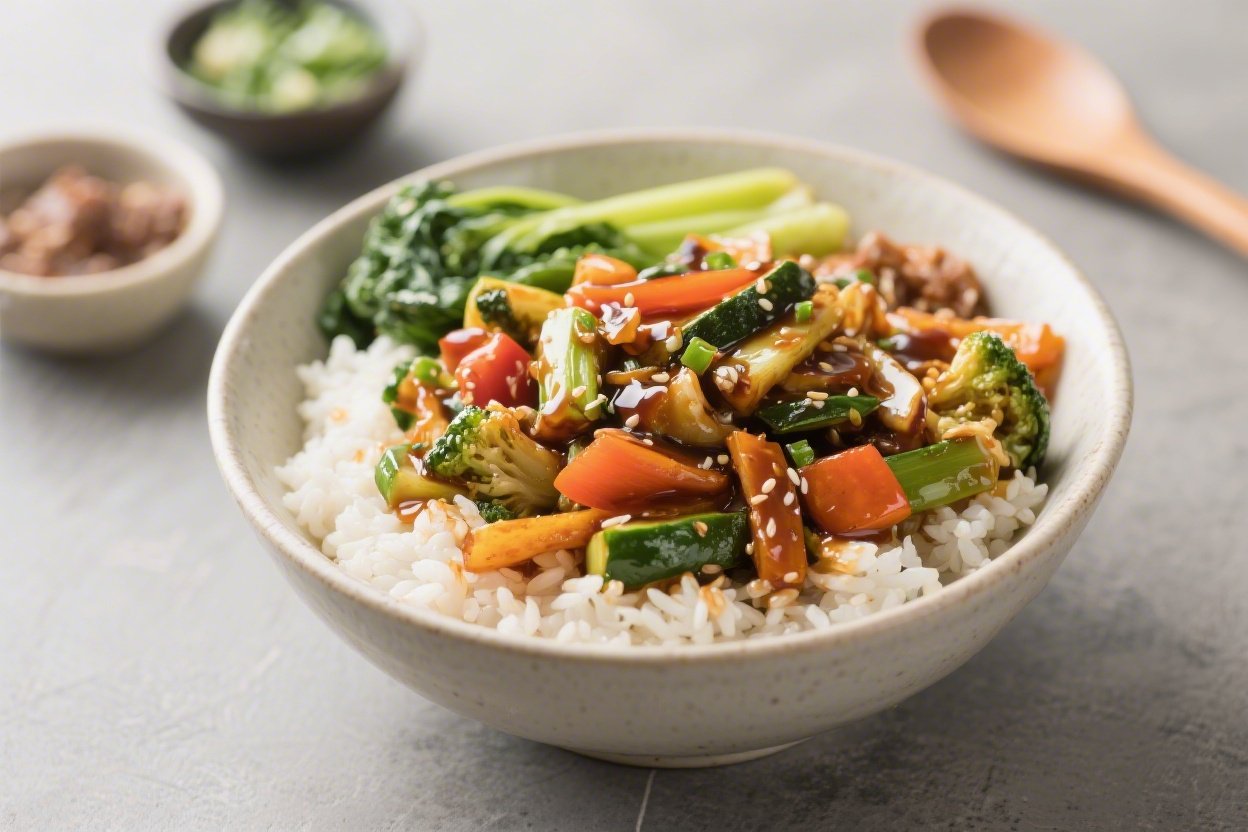
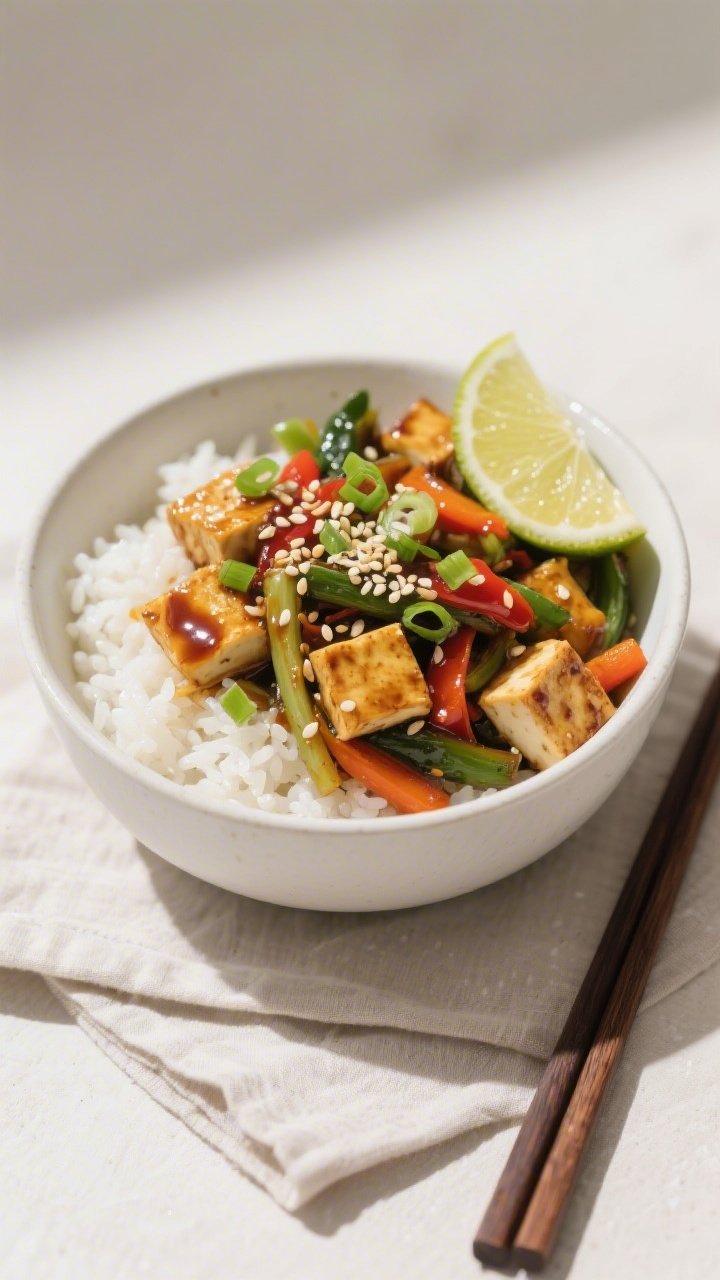
This Vegan Vegetable Teriyaki Rice Bowl is bright, saucy, and packed with crisp-tender veggies. It’s the kind of meal that feels satisfying without being heavy, and it comes together quickly with pantry-friendly ingredients. The homemade teriyaki sauce is sweet, savory, and glossy, and it coats everything beautifully.
You’ll get a wholesome bowl with chewy rice, colorful vegetables, and a hint of ginger and garlic in every bite. Perfect for weeknights, meal prep, or when you just want something comforting and fresh.
Why This Recipe Works

This recipe balances flavor and texture with a simple, reliable formula. The sauce is built on soy sauce, maple syrup, and rice vinegar, so it’s sweet-salty with a gentle tang and a little heat from ginger.
Stir-frying the vegetables keeps them crisp and vibrant, while a cornstarch slurry thickens the sauce quickly without fuss.
Using steamed rice as the base makes it filling and flexible—jasmine or short-grain both work. Everything cooks in one pan (plus a pot for rice), so cleanup is easy. It’s also fully vegan, allergen-friendly with easy swaps, and great for leftovers.
Shopping List
- Rice: 2 cups cooked rice (jasmine, basmati, or short-grain).
Use brown rice if you like.
- Vegetables: 1 small broccoli crown (cut into florets), 1 red bell pepper (sliced), 1 medium carrot (thinly sliced), 1 cup snap peas, 1 small zucchini (half-moons), 1 cup mushrooms (sliced), 2 green onions (sliced).
- Aromatics: 3 cloves garlic (minced), 1 tablespoon fresh ginger (grated).
- Oil: 1–2 tablespoons neutral oil (avocado, canola, or grapeseed) and 1 teaspoon toasted sesame oil.
- Teriyaki Sauce: 1/3 cup low-sodium soy sauce or tamari, 3 tablespoons maple syrup (or agave), 2 tablespoons rice vinegar, 1 tablespoon mirin (optional), 1/2 cup water, 1 tablespoon cornstarch.
- Optional Protein Boost: 1 block extra-firm tofu (pressed and cubed) or edamame.
- Toppings: Sesame seeds, extra green onions, chili flakes or sriracha (optional), lime wedges (optional).
How to Make It
- Cook the rice. Make your rice according to package directions. Fluff and keep warm. Day-old rice also works great.
- Press the tofu (if using). Wrap tofu in a clean towel, place a weight on top, and press for 15 minutes.
Cube into 3/4-inch pieces.
- Whisk the teriyaki sauce. In a bowl, combine soy sauce, maple syrup, rice vinegar, mirin (if using), and water. In a small cup, mix cornstarch with 2 tablespoons water until smooth. Set both aside.
- Sear the tofu (optional but recommended). Heat 1 tablespoon oil in a large skillet over medium-high heat.
Add tofu cubes and cook 6–8 minutes, turning occasionally, until golden on most sides. Remove and set aside.
- Stir-fry the aromatics. In the same pan, add a bit more oil if needed. Add garlic and ginger.
Cook 30 seconds until fragrant—don’t burn.
- Cook the vegetables in stages. Add broccoli and carrots first. Stir-fry 2–3 minutes. Add bell pepper, mushrooms, and zucchini.
Cook 3–4 minutes more until crisp-tender. Add snap peas last and cook 1 minute.
- Add the sauce. Pour in the teriyaki liquid. Stir the cornstarch slurry and pour it in while stirring.
Cook 1–2 minutes until the sauce thickens and turns glossy.
- Finish and season. Return tofu to the pan if using. Add sesame oil and half the green onions. Toss to coat.
Taste and adjust with a splash of soy sauce, vinegar, or maple syrup as needed.
- Assemble the bowls. Spoon rice into bowls. Top with the teriyaki vegetables (and tofu). Garnish with sesame seeds, remaining green onions, and chili flakes or a drizzle of sriracha if you like heat.
Storage Instructions
Let leftovers cool completely.
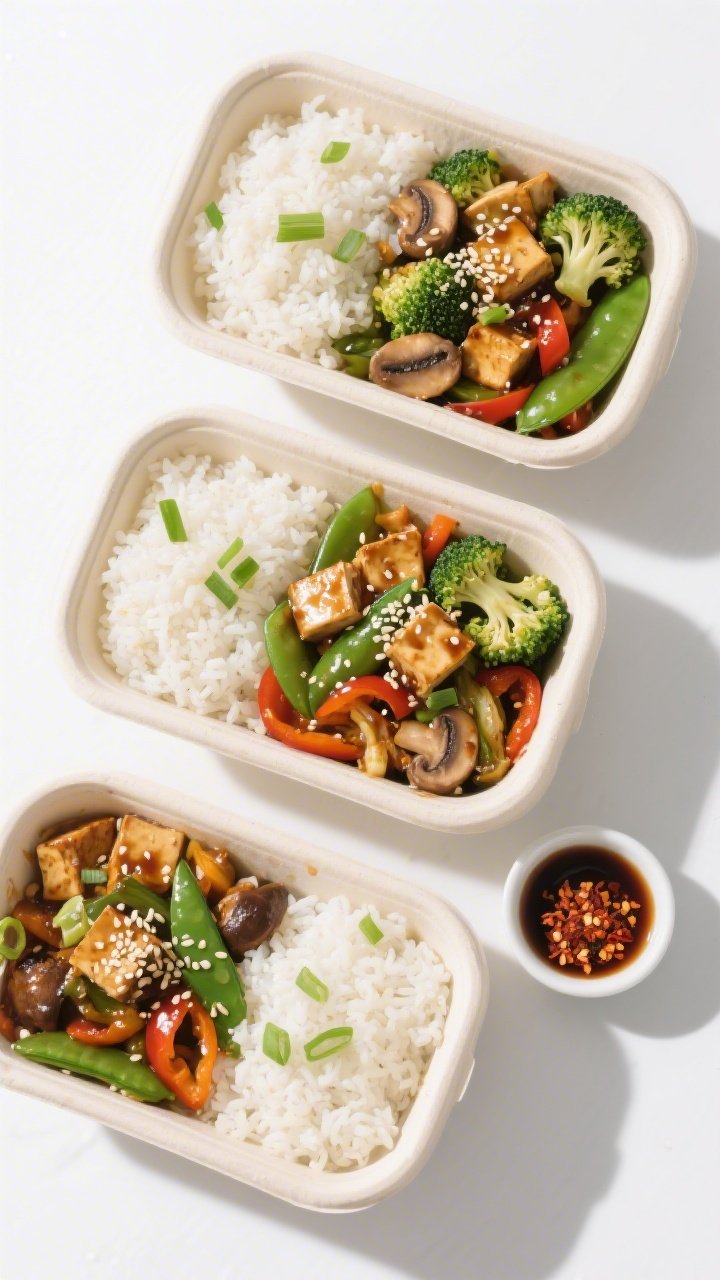
Store in an airtight container in the fridge for up to 4 days. Keep rice and veggies separate if you can; it helps the vegetables stay crisp. Reheat in a skillet over medium with a splash of water to loosen the sauce, or microwave in short bursts, stirring between intervals.
For the freezer, portion bowls into freezer-safe containers and freeze for up to 2 months.
Thaw overnight in the fridge before reheating. The vegetables will be softer after freezing but still tasty.
Benefits of This Recipe
- Weeknight-friendly: Quick prep and simple steps, especially if you have cooked rice ready.
- Balanced and filling: Carbs from rice, fiber and vitamins from vegetables, and protein if you add tofu or edamame.
- Customizable: Swap in whatever vegetables you have. The sauce ties it all together.
- Budget-conscious: Pantry staples and seasonal produce keep costs low.
- Meal-prep ready: Holds up well for several days and reheats easily.
What Not to Do
- Don’t overcrowd the pan. Too many vegetables at once will steam instead of stir-fry.
Cook in batches if needed.
- Don’t skip the cornstarch slurry. Adding dry cornstarch can clump. Always dissolve it in water first for a smooth, shiny sauce.
- Don’t overcook the vegetables. Aim for crisp-tender. Overcooking makes them mushy and dull.
- Don’t forget to taste and adjust. Teriyaki should be balanced.
Add a pinch more sweetness, saltiness, or acidity to suit your palate.
- Don’t use unpressed tofu. Excess moisture prevents good browning and can water down the sauce.
Recipe Variations
- Gluten-free: Use tamari or certified gluten-free soy sauce. Check labels on mirin and vinegar.
- No-soy version: Swap soy sauce for coconut aminos. Reduce maple syrup to 2 tablespoons since coconut aminos are sweeter.
- High-protein: Add both tofu and shelled edamame, or toss in roasted chickpeas at the end.
- Extra-veg version: Add baby spinach or kale in the last minute to wilt.
Cauliflower, bok choy, or green beans also work.
- Spicy teriyaki: Stir in 1–2 teaspoons sriracha, gochujang, or chili-garlic sauce with the teriyaki liquid.
- Sesame-forward: Add 1 tablespoon tahini to the sauce for a nutty twist and creamier texture.
- Sauce swap: Try a pineapple teriyaki by replacing the water with pineapple juice and reducing maple syrup to taste.
FAQ
Can I make the sauce ahead of time?
Yes. Mix the teriyaki base (without the cornstarch slurry) up to 1 week in advance and store it in the fridge. When ready to cook, heat it with the vegetables and add the slurry to thicken.
What rice works best?
Jasmine rice is fragrant and fluffy, while short-grain gives a stickier, sushi-style base.
Brown rice adds a nutty flavor and more fiber. Use what you enjoy or have on hand.
How do I keep the vegetables crisp?
Use high heat, a large pan, and cook in stages. Add harder vegetables first and quick-cooking ones last.
Avoid covering the pan, which traps steam and softens the vegetables.
Is there a substitute for cornstarch?
Arrowroot or tapioca starch works well. Use the same amount and always make a slurry with cool water before adding it to the hot pan.
Can I use frozen vegetables?
Absolutely. Don’t thaw first—add them straight to a hot pan with a little oil.
Cook off excess moisture before adding the sauce so it doesn’t dilute.
What if I don’t have mirin?
Skip it or add a tiny splash of extra maple syrup and a pinch more rice vinegar. Mirin adds a gentle sweetness and depth, but the recipe works without it.
How can I add more protein without tofu?
Use shelled edamame, roasted chickpeas, or tempeh. Any of these mix in easily and soak up the teriyaki flavor.
Why did my sauce turn gummy?
Too much cornstarch or overheating after thickening can make it gummy.
Use the exact amount, stir constantly as it thickens, and remove from heat once glossy and smooth.
Can I reduce the sugar?
Yes. Cut the maple syrup to 1–2 tablespoons. The sauce will be more savory; balance with a bit more vinegar or a squeeze of orange juice if needed.
What skillet should I use?
A large nonstick skillet, stainless steel, or a well-seasoned wok all work.
The key is high heat and enough room so the vegetables sear instead of steam.
In Conclusion
This Vegan Vegetable Teriyaki Rice Bowl is colorful, quick, and satisfying—exactly what a weeknight dinner should be. The homemade sauce is simple yet rich, and it turns everyday vegetables into something special. Keep the steps loose, swap in what you have, and make it your own.
With a little prep and a hot pan, you’ll have a glossy, flavorful bowl that tastes as good as takeout and leaves you feeling great.
Printable Recipe Card
Want just the essential recipe details without scrolling through the article? Get our printable recipe card with just the ingredients and instructions.