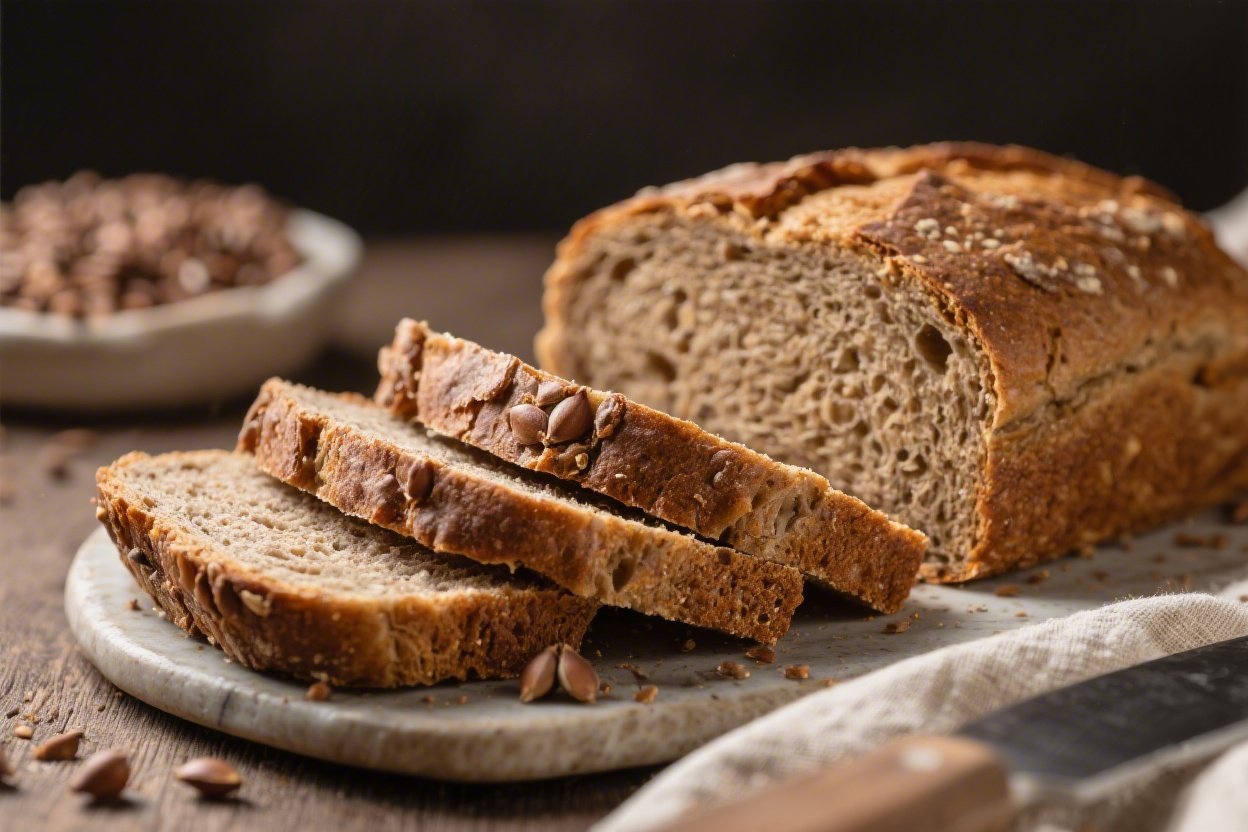
Buckwheat Honey Bread – Rustic, Nutty, and Comforting
Buckwheat honey bread brings together earthy buckwheat flour and deep, caramel-like honey in a loaf that tastes both rustic and refined. It’s hearty without being heavy, slightly sweet, and perfect for breakfast or snacking. You don’t need a stand mixer or special equipment—just a bowl, a spoon, and a loaf pan.
Whether you’re a new baker or a seasoned one, this recipe gives you a dependable, flavorful bread you’ll want to make on repeat.
Why This Recipe Works
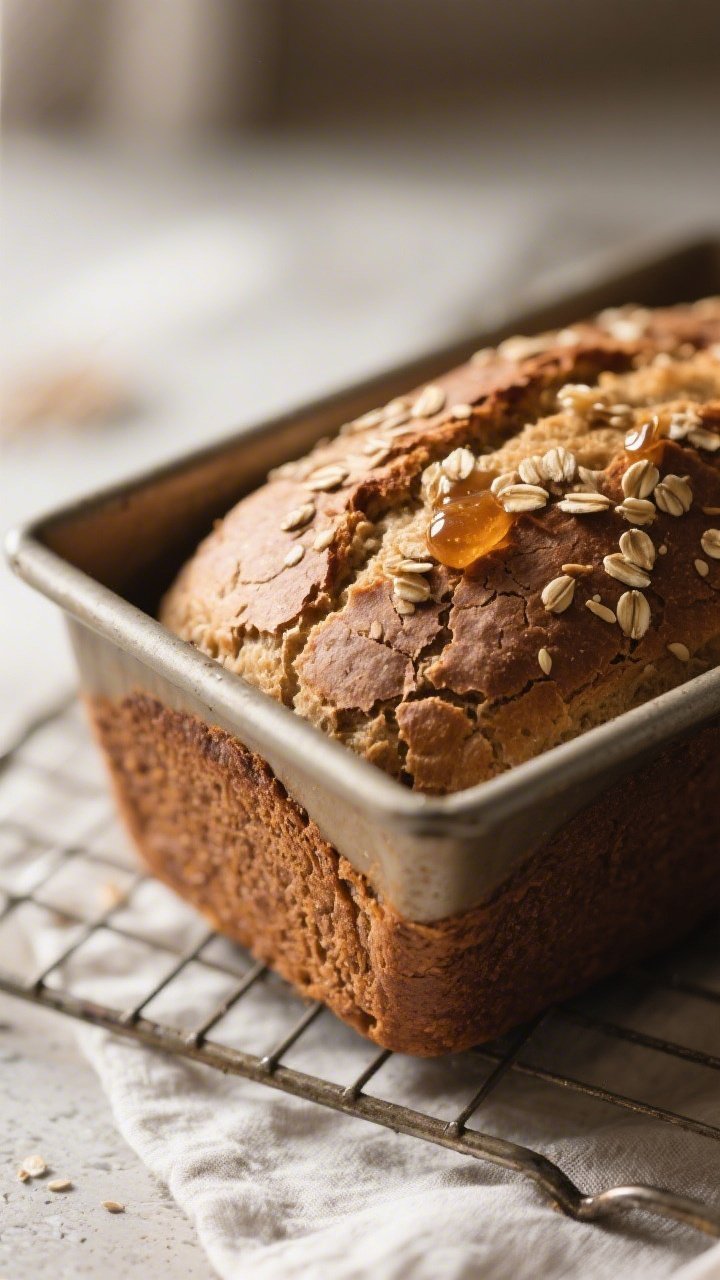
This bread blends buckwheat flour with all-purpose flour for structure and lift. Buckwheat alone can make a loaf dense, but combining it with wheat flour keeps the crumb soft and sliceable. A touch of oil and honey adds moisture that stays in the bread for days.
The honey also supports yeast activity and brings a warm, complex sweetness that plays well with buckwheat’s nutty flavor. Using warm water and a straightforward mixing method keeps things simple. A single rise and a standard loaf pan make this an easy, weeknight-friendly bake.
The result is a loaf with a tender interior, a light crust, and a flavor that stands up to butter, soft cheese, or a swipe of jam.
Shopping List
- Buckwheat flour (light or medium grind)
- All-purpose flour (or bread flour)
- Active dry yeast (or instant yeast)
- Warm water
- Honey (buckwheat honey preferred, or any dark honey)
- Neutral oil (such as sunflower or light olive oil)
- Salt
- Optional add-ins: toasted walnuts, sunflower seeds, pumpkin seeds, rolled oats
- Optional flavor boosts: cinnamon, orange zest, vanilla
How to Make It
- Proof the yeast (if using active dry): In a large bowl, stir 1 cup warm water (about 105–110°F/40–43°C) with 2 teaspoons honey. Sprinkle 2¼ teaspoons active dry yeast over the top. Let it sit 5–10 minutes until foamy.
If using instant yeast, skip this step and mix it directly with the dry ingredients.
- Combine the dry ingredients: In a separate bowl, whisk 1½ cups all-purpose flour, 1½ cups buckwheat flour, and 1½ teaspoons salt. This ensures even salt distribution and prevents salty pockets.
- Mix the dough: Add the dry mixture to the yeast mixture. Pour in 2 tablespoons oil and 2–3 tablespoons honey (adjust to taste).
Add another ¼–½ cup warm water as needed to form a soft, slightly sticky dough. It should come together but still feel tacky.
- Knead briefly: Turn the dough onto a lightly floured surface. Knead for 5–7 minutes until smooth and elastic.
If it’s sticking, dust lightly with flour, but avoid adding too much or you’ll dry out the loaf.
- First rise: Place the dough in a lightly oiled bowl, turning once to coat. Cover with a clean towel or plastic wrap. Let rise somewhere warm until doubled, about 60–75 minutes.
The dough will feel puffy and airy when ready.
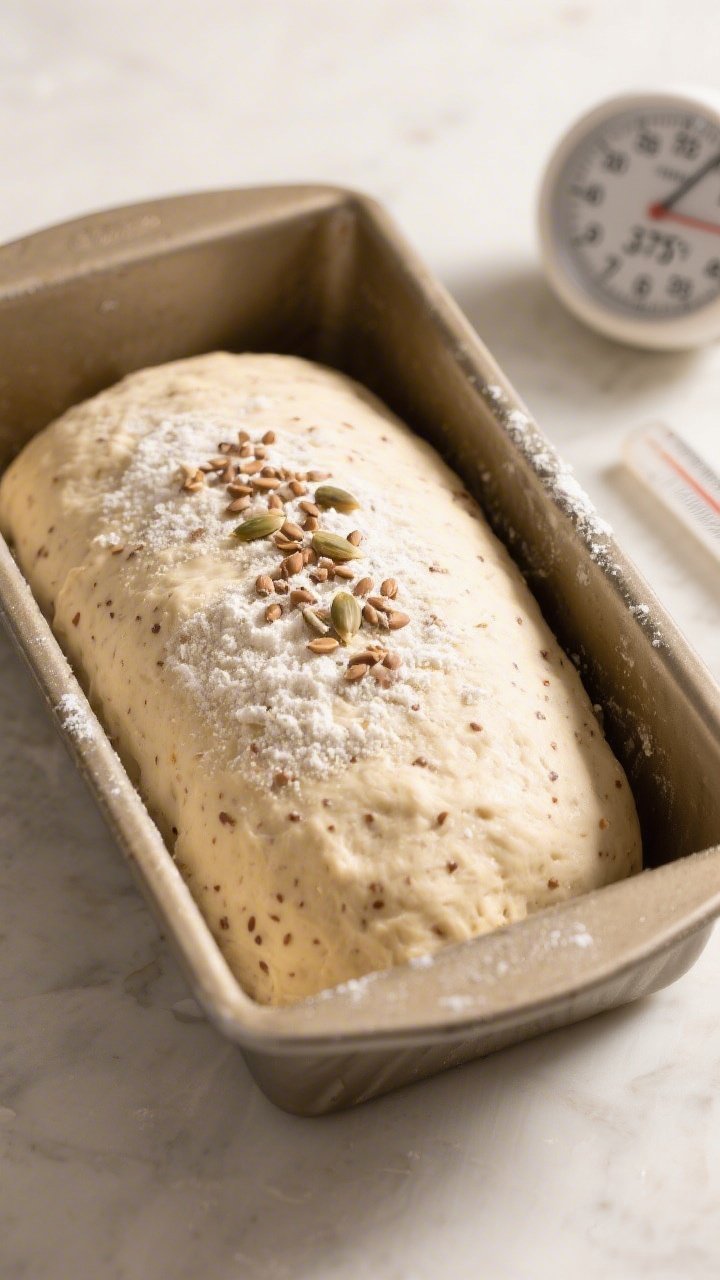
- Shape the loaf: Gently deflate the dough. Pat into a rectangle, then roll it up tightly from the short side. Pinch the seam, tuck the ends, and place it seam-side down into a greased 9×5-inch loaf pan.
For a rustic look, sprinkle the top with oats or seeds and press gently.
- Second rise: Cover the pan and let the dough rise until the dome crests about 1 inch over the rim, 30–45 minutes depending on your kitchen temperature.
- Preheat and bake: Preheat your oven to 375°F (190°C). Bake for 30–38 minutes, until the top is deep brown and the loaf sounds hollow when tapped. An internal temperature of about 200°F (93°C) means it’s done.
- Cool completely: Let the loaf cool in the pan for 10 minutes, then turn it out onto a rack.
Cool fully before slicing for the best texture and clean cuts.
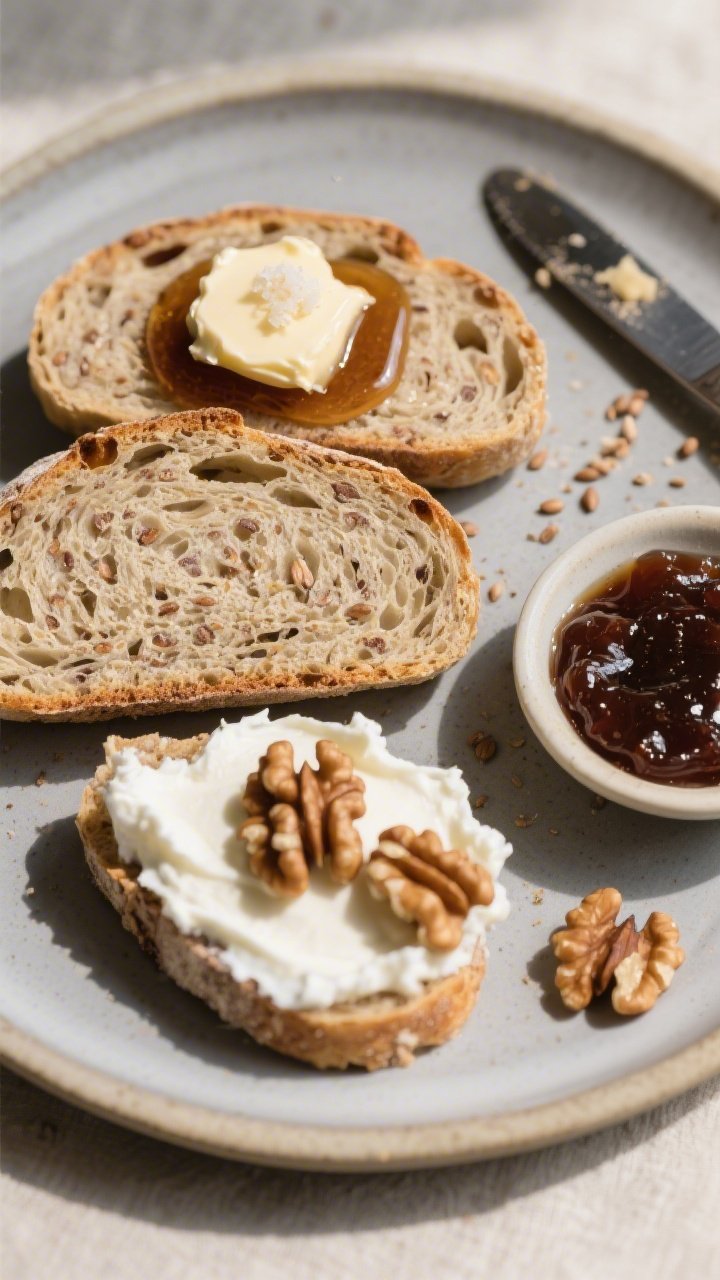
- Serve: Slice and enjoy with butter, soft goat cheese, ricotta and honey, or a swipe of salted butter and jam. It also makes hearty toast and stellar grilled cheese.
How to Store
- Room temperature: Keep the loaf in a bread box or wrapped in a clean tea towel for up to 2 days. Avoid sealing it in plastic immediately; trapped steam can make the crust soggy.
- Longer storage: After day 2, wrap in plastic or place in a zip-top bag to retain moisture.
It will keep 3–4 days total.
- Freezing: Slice, wrap tightly, and freeze for up to 2 months. Toast slices straight from the freezer.
- Refresh: If the bread feels a bit dry, toast it lightly or warm slices in a low oven for a few minutes.
Health Benefits
- Whole-grain goodness: Buckwheat is rich in fiber, which supports digestion and helps you feel satisfied longer.
- Nutrient-dense: It contains minerals like magnesium and manganese, plus plant compounds with antioxidant activity.
- Balanced energy: Honey adds gentle sweetness and quick energy, while the mix of flours gives a steadier release than refined bread alone.
- Protein boost: Buckwheat provides more protein than many grains, including essential amino acids.
Pitfalls to Watch Out For
- Over-flouring the dough: Too much flour makes the loaf dry and dense. Keep the dough slightly tacky; that’s normal.
- Skipping the second rise: If you bake too soon, the crumb will be tight and heavy.
Wait until the dough domes over the pan.
- Too hot or too cold water: Water hotter than 115°F can kill yeast; cooler than 90°F slows it down. Aim for comfortably warm.
- Cutting too early: Slicing hot bread squashes the crumb. Let it cool to set the structure.
- Using 100% buckwheat without adjustment: Pure buckwheat lacks gluten.
Without binders or special methods, the loaf may collapse or crumble.
Alternatives
- Flour swap: Use bread flour instead of all-purpose for extra chew and structure. For a heartier loaf, add ¼ cup whole wheat and reduce all-purpose by the same amount.
- Sweetener changes: Maple syrup or molasses can stand in for honey. Molasses will make the loaf darker and more robust.
- Seeded version: Fold in ½ cup mixed seeds (sunflower, pumpkin, sesame) after the first rise for crunch.
- Spiced loaf: Add 1 teaspoon cinnamon or a pinch of cardamom, or stir in 1 teaspoon orange zest for brightness.
- Gluten-free path: For a gluten-free version, use a 1:1 gluten-free flour blend plus buckwheat, and add 1 teaspoon xanthan gum if your blend doesn’t include it.
Expect a denser crumb and consider baking in a smaller pan.
FAQ
Can I make this bread without a loaf pan?
Yes. Shape it into a round and place it on a parchment-lined baking sheet. It may spread slightly, so keep the dough on the tighter side and bake 5–8 minutes less while watching for color.
Is buckwheat gluten-free?
Buckwheat is naturally gluten-free, but this recipe uses wheat flour for structure.
If you need a gluten-free loaf, use a certified gluten-free blend and keep cross-contact in mind for all ingredients and tools.
What if I only have instant yeast?
Use the same amount (2¼ teaspoons). Skip the proofing step and mix instant yeast with the dry ingredients, then proceed as directed. The rest of the method stays the same.
How do I get a softer crust?
Brush the hot loaf with a little melted butter or honey-water (1 teaspoon honey mixed with 1 tablespoon hot water) right after baking.
Store in a bag after it cools to keep it soft.
Why is my loaf dense?
Common causes include not enough rise time, water that’s too hot or too cold for the yeast, or adding too much flour during kneading. Next time, let it rise longer and keep the dough slightly tacky.
Can I use dark buckwheat flour?
You can, but expect a stronger, earthier flavor and a darker crumb. If you’re new to buckwheat, start with light or medium grind for a more balanced taste.
Can I knead in a mixer?
Yes.
Use a dough hook on low to medium-low speed for about 5 minutes, just until the dough is smooth and elastic. Avoid overmixing, which can toughen the crumb.
Final Thoughts
Buckwheat honey bread is simple, welcoming, and packed with character. It turns everyday ingredients into a loaf that feels special but doesn’t ask much of you in return.
Keep the dough soft, give it time to rise, and let the honey and buckwheat shine. Once you taste it toasted with a little butter and salt, you’ll understand why this loaf earns a spot in the regular rotation.