Spring Veggie Whole Wheat Pasta – Bright, Fresh, and Satisfying
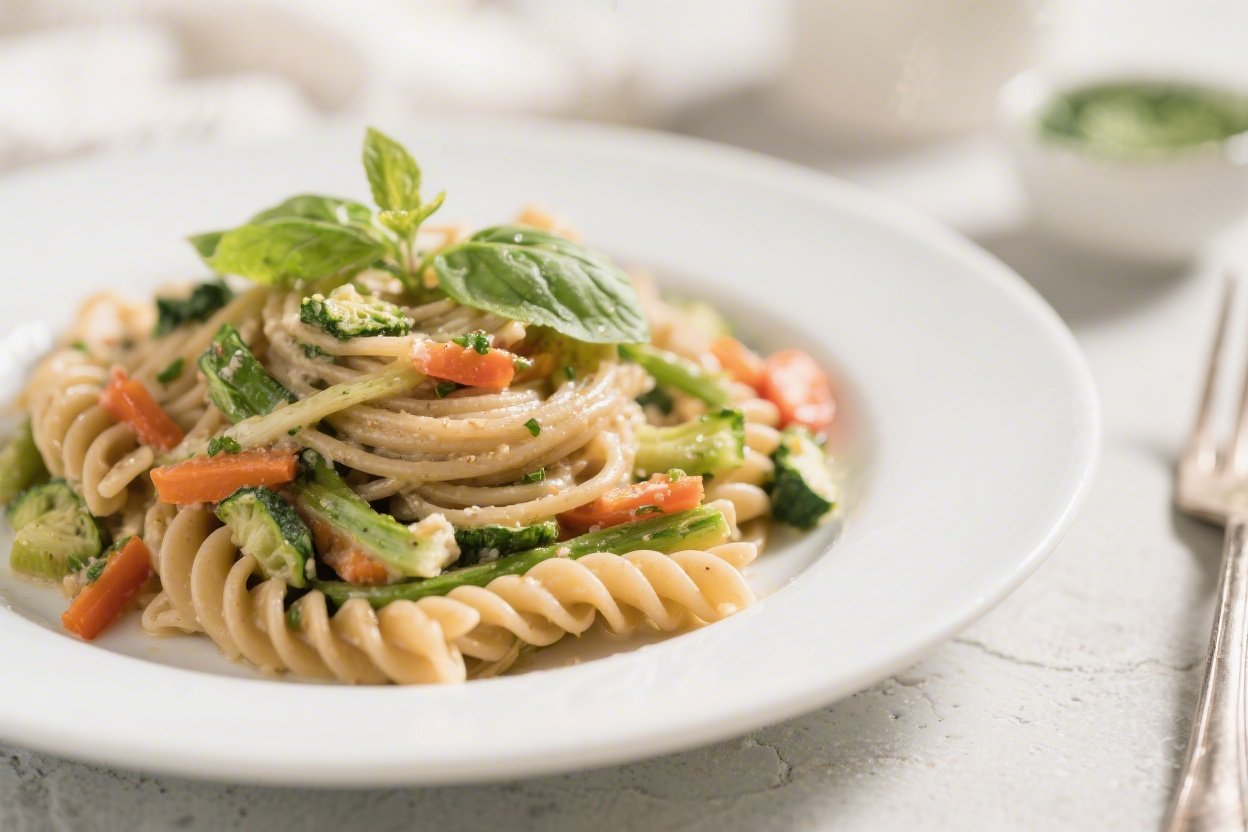
Spring is a great time to bring color and crunch to your plate, and this Spring Veggie Whole Wheat Pasta does exactly that. It’s simple to make, full of fresh produce, and comes together in under 30 minutes. You’ll get hearty, nutty whole wheat pasta balanced with crisp-tender vegetables and a light lemon-garlic sauce.
It tastes restaurant-quality but uses everyday ingredients. Whether you’re cooking for a busy weeknight or a light weekend dinner, this one checks all the boxes.
What Makes This Recipe So Good
- Balanced flavors: The nutty whole wheat pasta pairs with sweet peas, tender asparagus, and a bright lemon finish.
- Quick and easy: Most of the cooking happens while the pasta boils, so it’s speedy with minimal cleanup.
- Flexible: Swap veggies based on what you have—zucchini, broccoli, or spinach all work.
- Nourishing: You get fiber, vitamins, and protein from simple, real ingredients.
- Great for leftovers: The flavors hold up well, and it reheats nicely for lunch the next day.
Shopping List
- Whole wheat pasta (12 ounces; penne, fusilli, or farfalle)
- Asparagus (1 bunch, trimmed and cut into 1-inch pieces)
- Fresh or frozen peas (1 cup)
- Cherry tomatoes (1 pint, halved)
- Baby spinach (2–3 cups, loosely packed)
- Garlic (3–4 cloves, thinly sliced)
- Lemon (1 large, zested and juiced)
- Extra-virgin olive oil (3–4 tablespoons)
- Unsalted butter (1 tablespoon; optional for richness)
- Vegetable broth or pasta water (about 1/2 cup, as needed)
- Parmesan cheese (1/2 cup freshly grated; plus more for serving)
- Fresh basil or parsley (handful, chopped)
- Red pepper flakes (pinch, optional)
- Salt and black pepper (to taste)
How to Make It
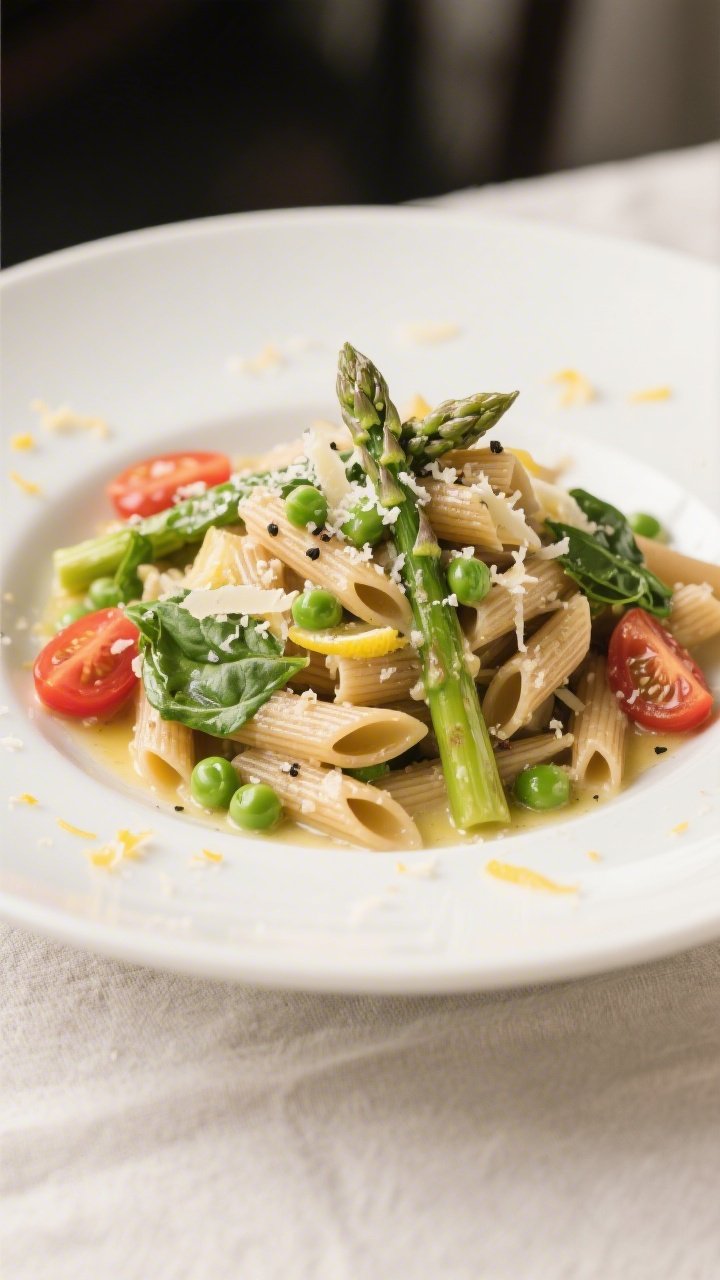
- Boil the pasta: Bring a large pot of salted water to a boil. Add the whole wheat pasta and cook until al dente according to package directions. Reserve 1 cup of pasta water before draining.
- Prep the veggies: While the water heats, trim the asparagus and cut it into bite-size pieces.
Halve the cherry tomatoes, slice the garlic, and rinse the spinach. Zest and juice the lemon.
- Blanch the asparagus: During the last 2 minutes of the pasta’s cook time, add the asparagus to the pot. If using frozen peas, add them in the final 30–60 seconds.
Drain everything together.
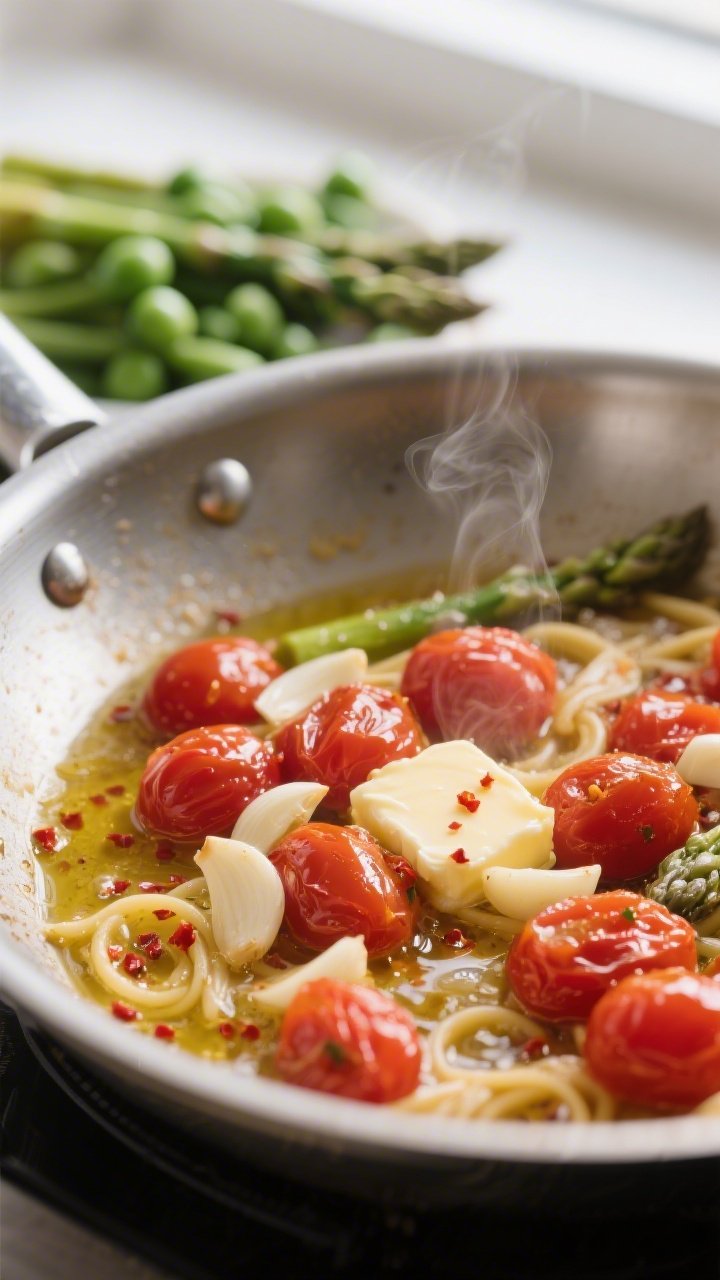
- Sauté the aromatics: In a large skillet, warm the olive oil over medium heat. Add garlic and a pinch of red pepper flakes. Cook 30–60 seconds until fragrant, not browned.
- Build the sauce: Add the tomatoes to the skillet with a pinch of salt.
Cook 2–3 minutes until they begin to soften and release juices. Stir in 1/4 cup pasta water (or broth), lemon zest, and butter if using. Simmer 1 minute to emulsify.
- Toss it all together: Add the drained pasta, asparagus, and peas to the skillet.
Toss well, adding spinach so it wilts gently. Stir in lemon juice and half the Parmesan.
- Adjust and season: Add more pasta water as needed for a silky coating. Season with salt and black pepper.
Finish with chopped basil or parsley and the remaining Parmesan.
- Serve: Plate warm with an extra squeeze of lemon, a drizzle of olive oil, and more cheese if you like.
How to Store
- Refrigerator: Store in an airtight container for 3–4 days. Add a splash of water or broth when reheating to loosen the sauce.
- Freezer: Not ideal due to the tender veggies. If needed, freeze up to 1 month.
Reheat gently from thawed to avoid mushiness.
- Reheating: Warm on the stovetop over low heat with a bit of water and a teaspoon of olive oil. Microwave in short bursts, stirring between intervals.
Health Benefits
- Whole grains for staying power: Whole wheat pasta includes the bran and germ, offering fiber that helps support steady energy and digestive health.
- Veggie variety: Asparagus and spinach provide folate, vitamin K, and antioxidants; peas bring plant protein and fiber; tomatoes add vitamin C and lycopene.
- Healthy fats: Olive oil supplies heart-friendly monounsaturated fats that also help absorb fat-soluble vitamins from the vegetables.
- Lighter sauce: Lemon, garlic, and a splash of pasta water create flavor and body without heavy cream.
Common Mistakes to Avoid
- Overcooking the pasta: Whole wheat pasta can turn gummy if you overshoot. Cook to al dente and taste a minute early.
- Skipping the pasta water: That starchy liquid is key for a glossy, cohesive sauce.
Always save at least 1 cup.
- Burning the garlic: Browned garlic tastes bitter. Keep heat moderate and move quickly once it’s fragrant.
- Adding spinach too early: It wilts fast. Add it at the end for a fresh, silky texture.
- Under-seasoning: Whole wheat pasta has a stronger flavor.
Salt your water well and taste as you go.
Alternatives
- Protein boosts: Add grilled chicken, sautéed shrimp, or a can of white beans for extra protein.
- Dairy-free: Skip the butter and Parmesan. Use extra olive oil, nutritional yeast, and toasted pine nuts for richness.
- Gluten-free: Use a gluten-free whole grain pasta (brown rice or quinoa-based) and follow the same method.
- Veggie swaps: Try zucchini ribbons, snap peas, broccoli florets, or artichoke hearts. Roast sturdier veggies first for deeper flavor.
- Creamier version: Stir in a spoonful of ricotta or a splash of half-and-half at the end for a silkier finish.
- Herb variations: Mint and dill bring a bright spring vibe; thyme adds an earthy note.
FAQ
Can I make this ahead?
Yes.
Cook everything slightly under and toss with a bit of oil. Cool, store, and reheat with a splash of water and lemon. Add fresh herbs right before serving.
What if I don’t have fresh asparagus?
Frozen works.
Thaw and pat dry, then sauté briefly before adding to the pasta. Canned asparagus is too soft and not recommended.
How do I keep whole wheat pasta from tasting heavy?
Use bright, acidic elements like lemon and tomatoes, and don’t over-sauce. A handful of herbs and a finishing drizzle of olive oil lift the flavors.
Can I use another cheese?
Absolutely.
Pecorino Romano adds a saltier, sharper bite. Goat cheese or feta crumbled on top brings a creamy-tangy finish.
Is this recipe good for meal prep?
Yes. It reheats well and holds texture for a few days.
Keep the herbs and extra cheese separate and add when serving to keep things fresh.
What’s the best pasta shape for this?
Short shapes like penne, fusilli, or farfalle catch the vegetables and sauce nicely. Use what you have, but avoid very delicate shapes that may break.
In Conclusion
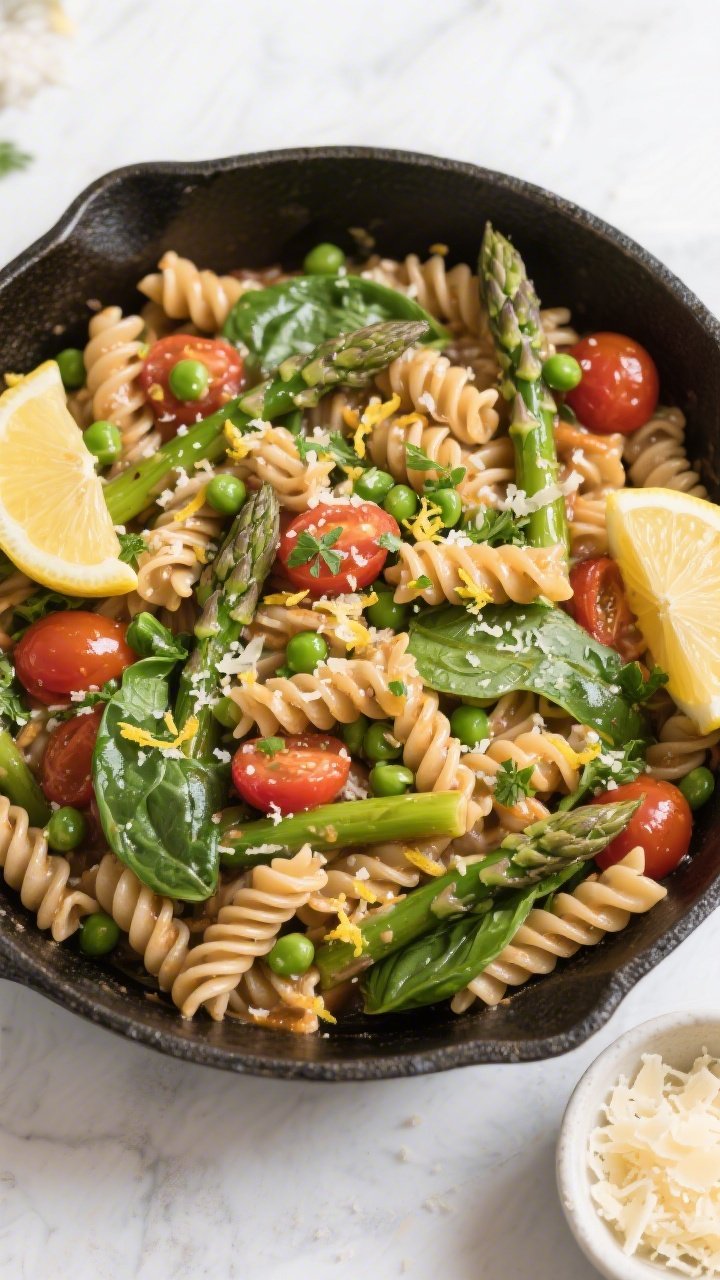
Spring Veggie Whole Wheat Pasta brings fresh produce, bright citrus, and satisfying whole grains together in one easy skillet. It’s flexible, quick, and full of everyday nutrition.
Keep the method simple—al dente pasta, crisp-tender veggies, and a light, lemony sauce—and you’ll have a dinner that tastes clean and comforting at once. Make it your own with seasonal swaps, and enjoy it warm tonight and again for lunch tomorrow.