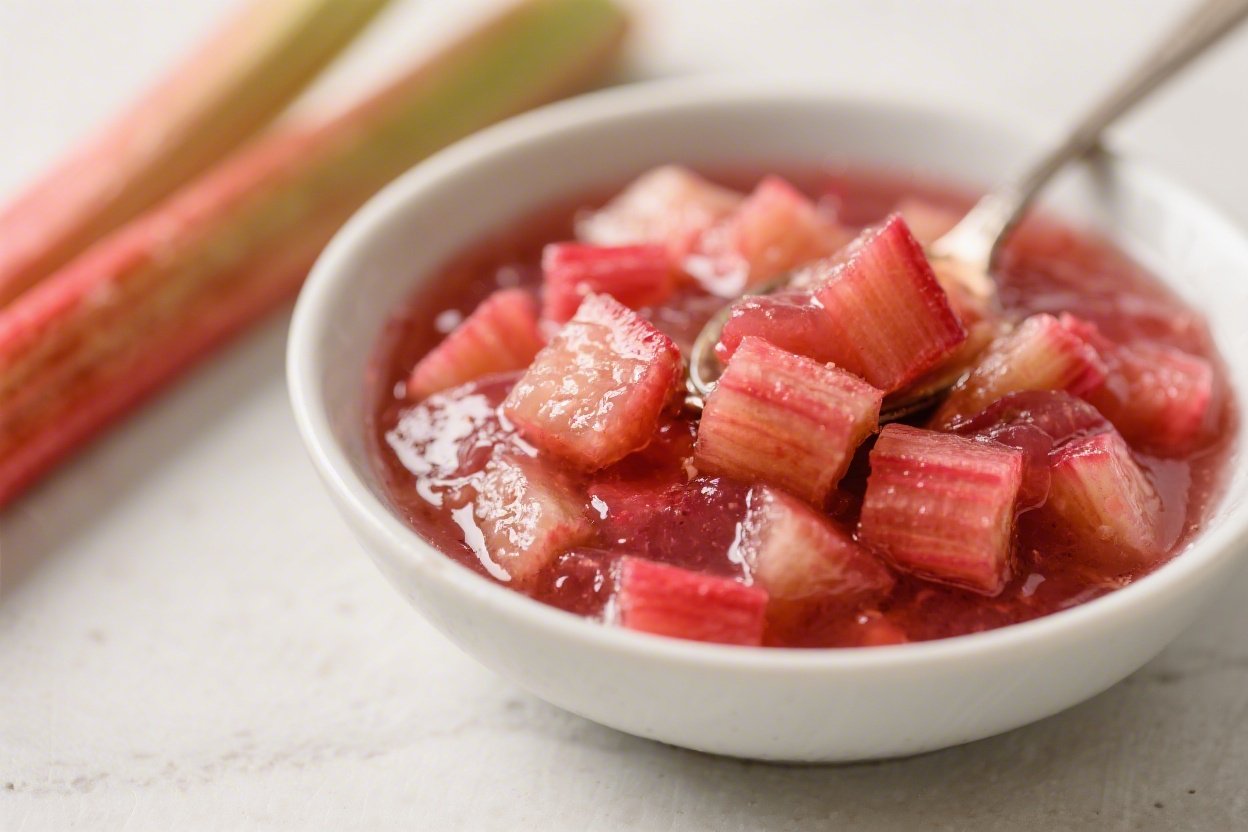
Rhubarb Compote (Meal Prep Staple) – Bright, Versatile, and Easy
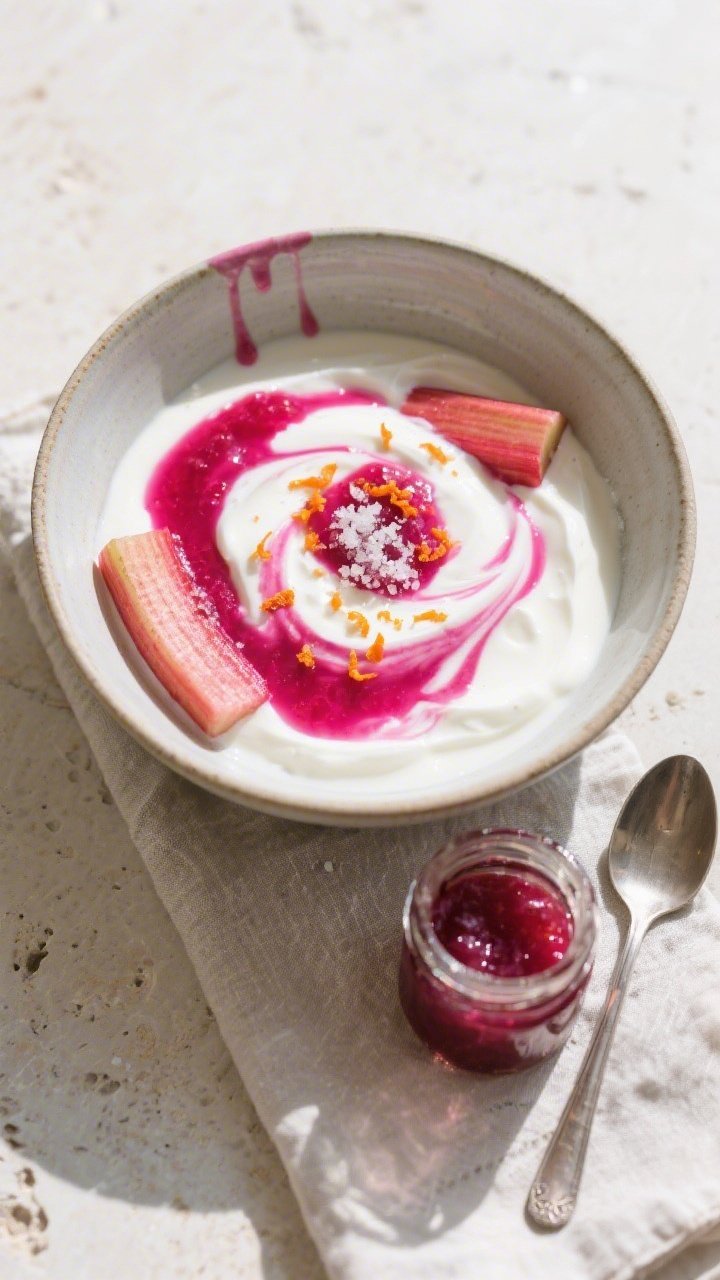
Rhubarb compote is one of those simple recipes that quietly makes your week better. It adds a tart-sweet pop to yogurt, oatmeal, pancakes, or even a roast chicken glaze. You cook it once, stash it in the fridge, and spoon it onto just about anything.
It takes minimal prep, and the results taste like you tried much harder than you did. If you’re new to rhubarb, this is an easy and friendly way to get to know it—and if you already love it, consider this your reliable, repeatable method.
What Makes This Special
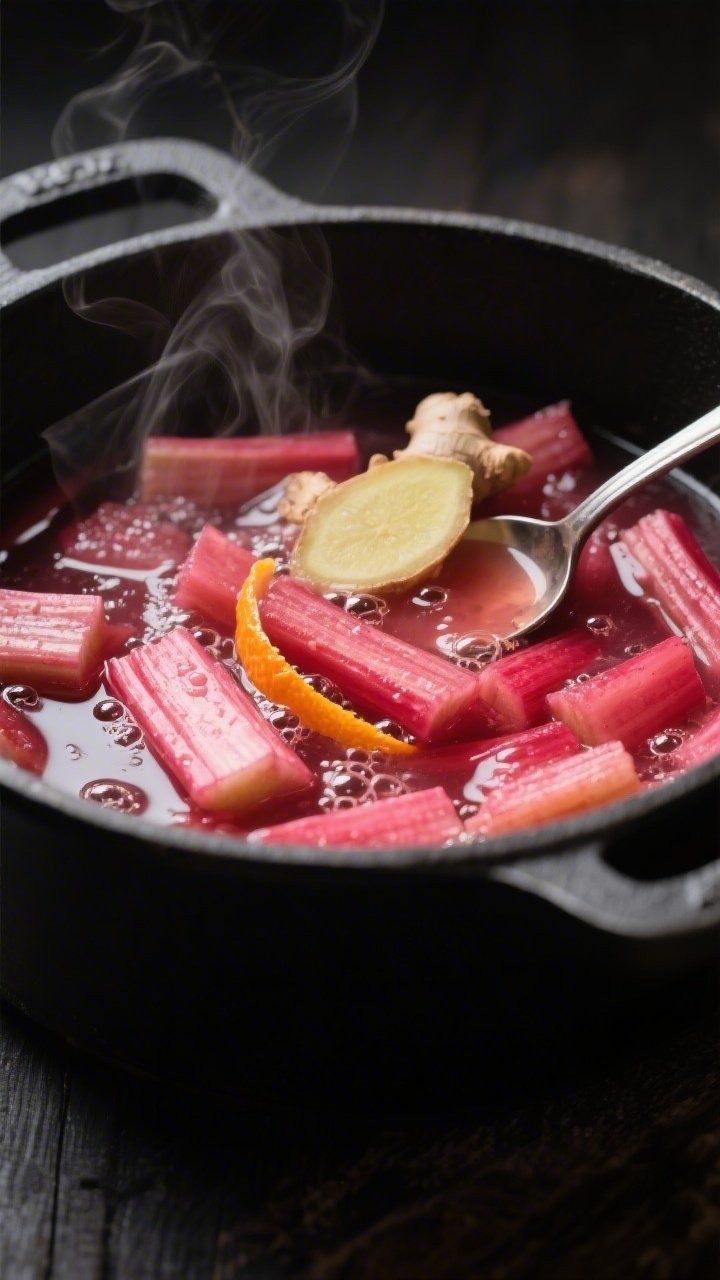
This compote leans into rhubarb’s natural tartness without going overboard. It’s balanced, bright, and not cloying.
You can sweeten it just enough or go a little richer depending on how you use it.
- Quick and flexible: From chopping to jar, you’re done in about 20 minutes.
- Meal-prep friendly: Keeps well in the fridge and freezer, and tastes even better the next day.
- Adaptable flavor: Works with vanilla, ginger, citrus zest, or warm spices.
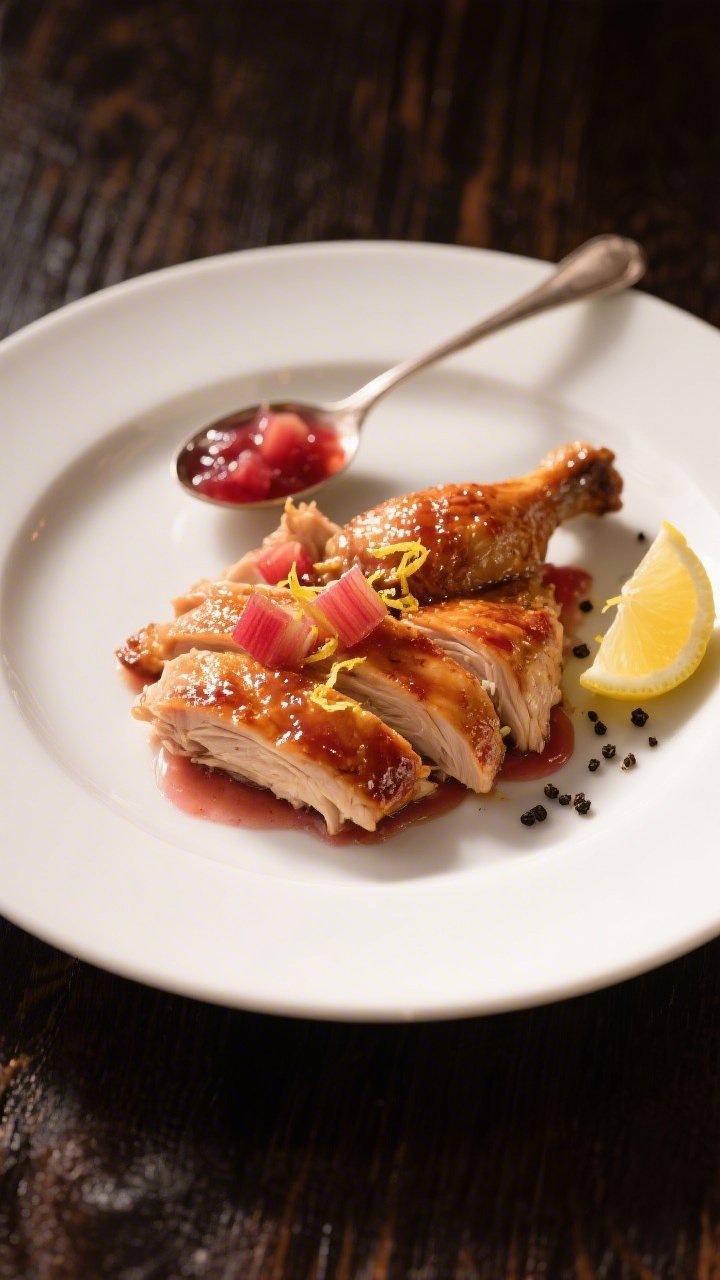
- Great on sweet and savory: Try it on yogurt, toast, ice cream, grilled pork, or roasted chicken.
Shopping List
- Rhubarb stalks (about 2 pounds), trimmed and diced
- Sweetener: 1/2 to 3/4 cup granulated sugar, coconut sugar, or maple syrup (to taste)
- Acid and aroma (optional): zest of 1 orange or lemon, plus 1 tablespoon juice
- Warm spice (optional): 1/2 teaspoon ground ginger or cinnamon, or a 1-inch piece fresh ginger, sliced
- Vanilla (optional): 1 teaspoon vanilla extract or 1/2 vanilla bean, split
- Pinch of salt to round the flavors
Instructions
- Prep the rhubarb: Rinse the stalks, trim the ends, and discard any leaves. Dice into 1/2-inch pieces for a smoother compote, or 3/4-inch for more texture.
- Combine ingredients: Add rhubarb, sweetener, a pinch of salt, and any optional zest, juice, spices, or vanilla to a medium saucepan. Give it a gentle stir.
- Rest briefly (optional): Let the mixture sit for 5–10 minutes.
The sugar will draw out some juice, helping it cook evenly without extra water.
- Cook: Set the pan over medium heat. As the rhubarb releases liquid, stir occasionally to prevent sticking. Adjust heat to medium-low if it bubbles too hard.
- Simmer to desired texture: After 8–12 minutes, the rhubarb will soften and break down.
For a chunkier compote, stop earlier. For smoother, cook a few minutes longer and mash gently with a spoon.
- Taste and adjust: Add more sweetener if needed. If it tastes flat, a squeeze of lemon or orange juice brightens it.
- Cool: Remove from heat.
Fish out any whole ginger slices or vanilla pod. Let it cool to room temperature before transferring to jars.
- Use or store: Spoon over yogurt, swirl into oatmeal, layer in parfaits, serve with cake or ice cream, or brush onto roasted meats in the last few minutes of cooking.
Storage Instructions
- Refrigerator: Store in an airtight jar up to 7–10 days. Use a clean spoon each time to keep it fresh.
- Freezer: Portion into small containers or silicone trays and freeze for up to 3 months.
Thaw overnight in the fridge.
- Meal-prep tip: Make a double batch and freeze half. Label with date and flavor additions (e.g., “Rhubarb + Ginger”).
Health Benefits
Rhubarb is naturally low in calories and brings fiber to your plate, which can help with digestion and satiety. It’s also a source of vitamin K and antioxidants, especially when paired with citrus zest.
Using a moderate amount of sugar keeps the tart character intact while avoiding overly sweet sauces.
Because this compote is so flavorful, a little goes a long way. That means you can add excitement to plain yogurt, oatmeal, or cottage cheese without overloading on sugar. If you prefer less sweetness, use maple syrup or reduce the sugar and balance with citrus for brightness.
Common Mistakes to Avoid
- Adding water: Rhubarb releases plenty of liquid.
Extra water can make it watery and dull the flavor.
- Overcooking: It goes from tender to mush quickly. Stop when it reaches the texture you like; it thickens more as it cools.
- Under-sweetening at first: Tartness can be intense. Start with the lower sugar amount, then adjust after cooking while it’s still warm.
- Skipping the pinch of salt: A tiny bit enhances the fruit’s natural flavor and balances sweetness.
- Using rhubarb leaves: Leaves are toxic and should be discarded.
Only cook the stalks.
Alternatives
- Sweeteners: Swap sugar for maple syrup or honey. Start with a smaller amount and taste as you go, since liquids sweeten differently.
- Fruit add-ins: Stir in strawberries, raspberries, or apples. Add berries in the last few minutes to keep them intact.
- Spices and aromatics: Try cardamom, star anise, or a cinnamon stick.
Remove whole spices before storing.
- Citrus twists: Orange zest for warmth, lemon for a sharper edge, or lime for a lively finish.
- Thicker texture: Simmer a minute longer or mash lightly. If you want it glossy and jammy, a teaspoon of cornstarch mixed with cold water can thicken it—add near the end and cook 1 minute.
FAQ
How sweet should rhubarb compote be?
It depends on how you’ll use it. For yogurt and oatmeal, keep it lightly sweet so the tartness shines.
For desserts or glazing meats, a bit more sugar can help it caramelize and balance richer flavors.
Do I need to peel rhubarb?
No. Trim the ends, rinse well, and chop. If a stalk has very tough strings, you can pull them off like celery, but most tender spring rhubarb doesn’t need peeling.
Can I make this without sugar?
You can use maple syrup or honey, or reduce the sweetener and pair with sweeter fruit like strawberries.
Completely unsweetened compote will be very tart, so plan to mix it into something creamy or sweet.
What if my compote is too runny?
Simmer a few more minutes to evaporate liquid, or let it cool—thickening happens as it rests. For a quicker fix, dissolve 1 teaspoon cornstarch in 2 teaspoons cold water and stir it in over low heat for 30–60 seconds.
Is frozen rhubarb okay?
Yes. Use it straight from frozen.
You may need to cook 1–2 minutes longer to evaporate extra moisture. Taste and adjust sweetness at the end.
How do I use rhubarb compote in savory dishes?
Brush it on pork chops or chicken in the last 5 minutes of roasting, or mix a spoonful with pan drippings and a splash of vinegar for a quick sauce. Add a pinch of chili flakes or black pepper for heat.
Can I can this compote for shelf storage?
This recipe is designed for the fridge and freezer.
Safe canning requires tested ratios and procedures. If you want a shelf-stable version, look for a canning-specific recipe from a trusted source.
Why did my compote turn brown?
Extended high heat can dull the color. Cook gently over medium to medium-low heat and avoid overcooking.
Adding a bit of lemon juice helps keep the color brighter.
How much does this recipe make?
Two pounds of rhubarb makes about 2 to 2 1/2 cups of compote, depending on cooking time and add-ins. For meal prep, consider doubling it.
Can I blend the compote?
Yes, for a smoother sauce. Let it cool slightly, then pulse with an immersion blender.
Avoid over-blending if you prefer some texture.
Final Thoughts
Rhubarb compote is the kind of simple recipe that earns a permanent spot in your fridge. It’s fast, flexible, and full of bright flavor that wakes up everyday meals. Keep a jar on hand, adjust the sweetness to your taste, and play with spices or citrus.
Once you see how many ways you can use it, you’ll start making a batch every week.
Printable Recipe Card
Want just the essential recipe details without scrolling through the article? Get our printable recipe card with just the ingredients and instructions.