One-Bowl Gluten-Free Alternative Flour Bread – Easy, Wholesome, and Flexible
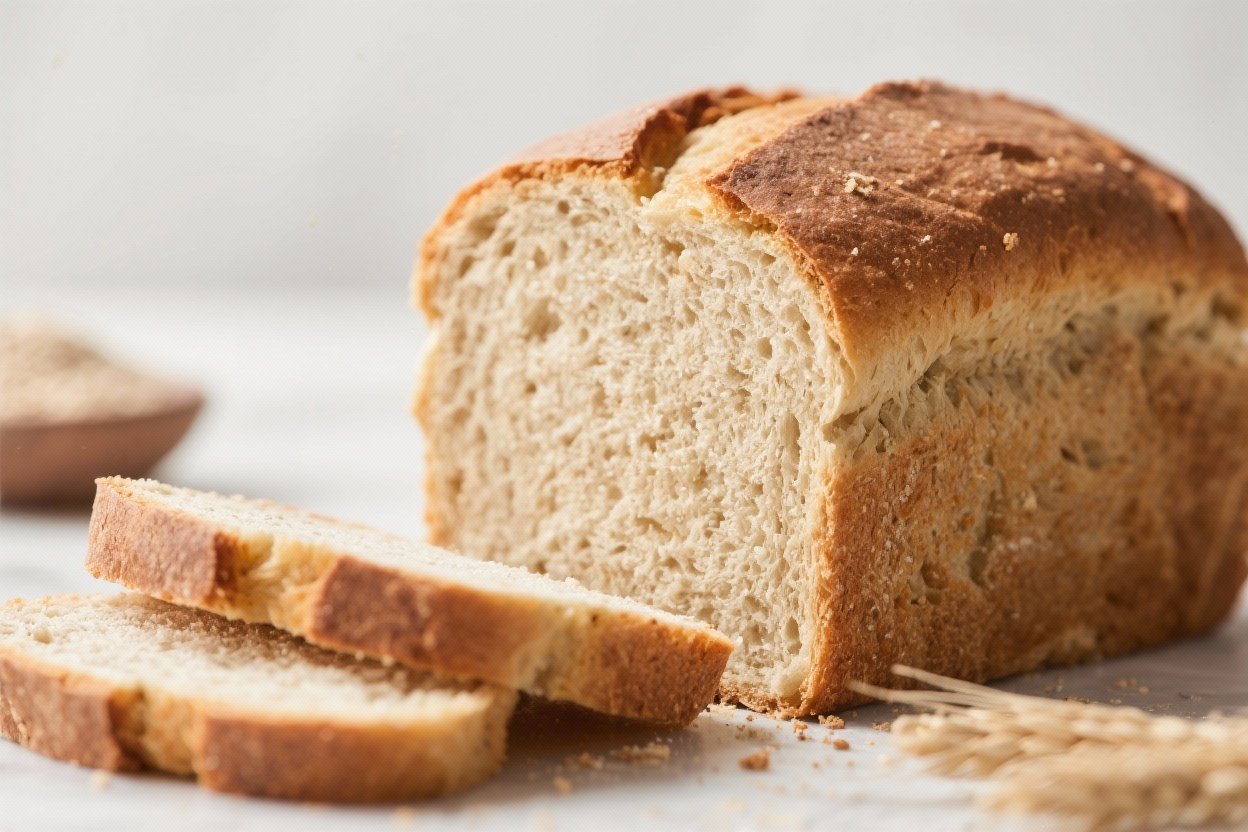
This simple gluten-free bread comes together in one bowl with everyday pantry staples. No mixer, no fussy steps—just stir, pour, and bake. The result is a tender loaf with a crisp crust and a subtle nutty flavor that works for toast, sandwiches, or soup.
It’s also highly flexible, so you can use the gluten-free alternative flours you already have. If you’re new to gluten-free baking, this is a friendly place to start.
Why This Recipe Works
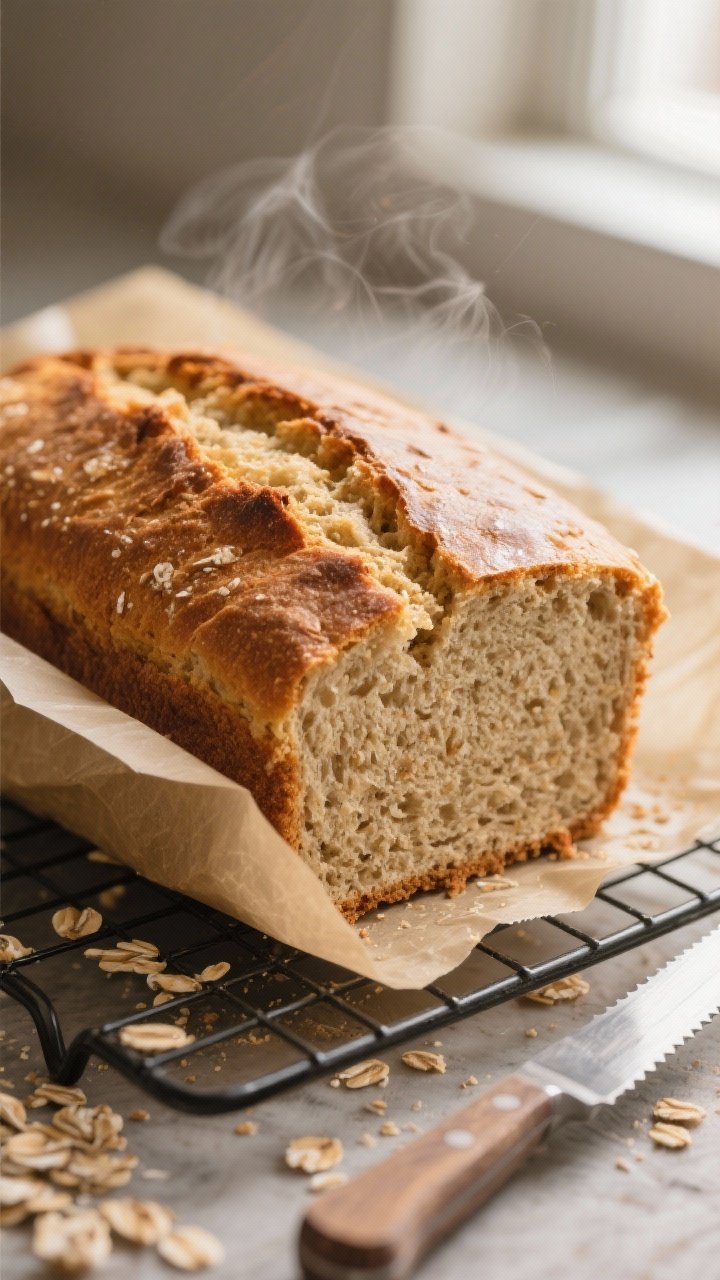
This bread uses a balanced mix of gluten-free flours and starch for structure and softness. Adding psyllium husk or ground flax helps mimic the stretch of gluten, so the loaf rises well and slices cleanly.
A touch of acid from apple cider vinegar works with baking powder and yeast for a reliable rise. And because everything happens in one bowl, you get a consistent batter with minimal cleanup.
Most gluten-free breads are more like a thick batter than a kneadable dough. This recipe respects that, so you don’t need to fight it into shape.
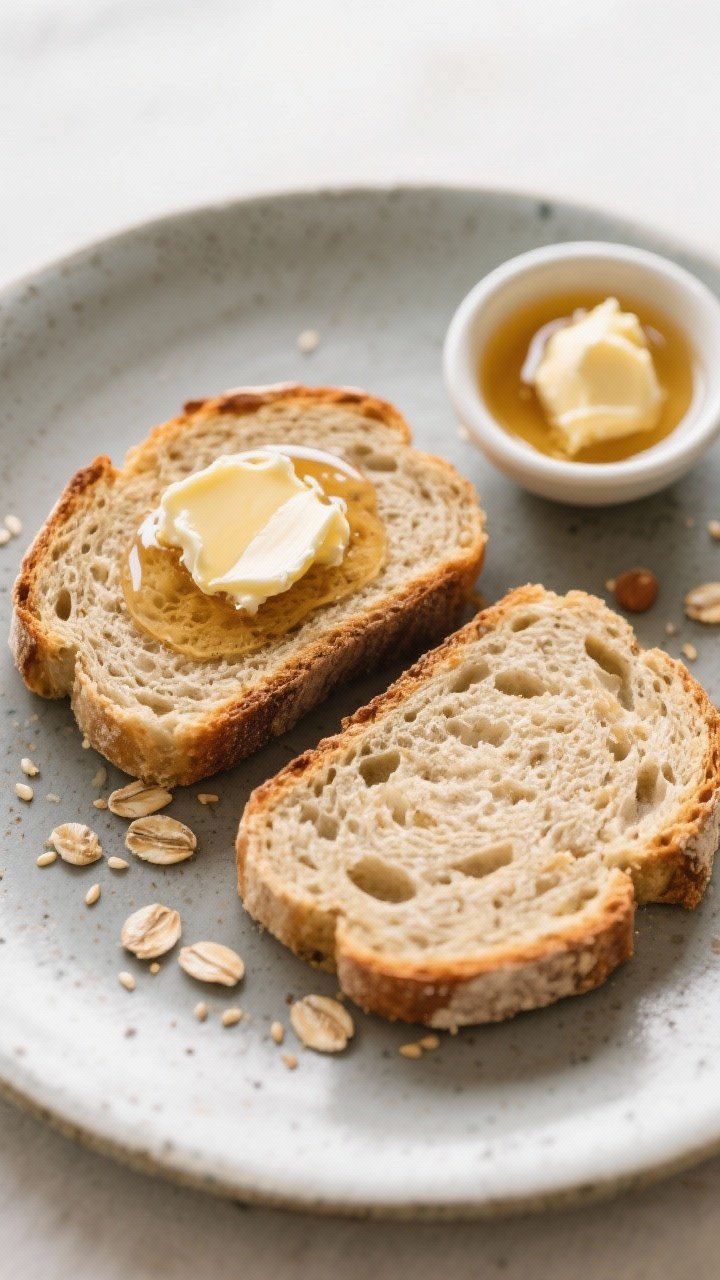
It bakes up moist, flavorful, and not crumbly, with a golden top that’s perfect for butter or jam.
Ingredients
- 1 1/2 cups (180 g) gluten-free oat flour (certified GF)
- 1 cup (120 g) almond flour
- 3/4 cup (90 g) tapioca starch (or arrowroot starch)
- 2 tbsp whole psyllium husk (or 3 tbsp finely ground flaxseed)
- 2 tsp baking powder (gluten-free)
- 1 tsp instant yeast (optional but recommended for flavor and rise)
- 1 tsp fine sea salt
- 2 tbsp honey or maple syrup (for moisture and browning)
- 2 large eggs (room temperature; see variation for vegan option)
- 1 1/2 cups (355 ml) warm water (about 105–110°F/40–43°C)
- 2 tbsp olive oil (or melted butter)
- 1 tbsp apple cider vinegar
- Optional flavor add-ins: 1 tsp dried herbs, 1 tsp sesame seeds, or 1/2 tsp garlic powder
Instructions
- Prep the pan and oven: Line a 9×5-inch loaf pan with parchment, leaving a little overhang for easy lifting. Lightly grease the sides. Preheat your oven to 375°F (190°C).
- Mix dry ingredients: In a large bowl, whisk oat flour, almond flour, tapioca starch, psyllium husk, baking powder, yeast, and salt.
Break up any lumps so the mix looks even.
- Whisk wet ingredients: In the same bowl, make a well. Add honey, eggs, warm water, olive oil, and apple cider vinegar. Stir with a sturdy spatula until a thick, cohesive batter forms.
It should be thicker than cake batter but looser than traditional bread dough.
- Rest the batter: Let the mixture sit for 5–8 minutes. This allows the psyllium or flax to hydrate, giving the batter structure and making it easier to spread.
- Flavor boost (optional): Fold in herbs, seeds, or garlic powder if using. Don’t overmix—just a few turns.
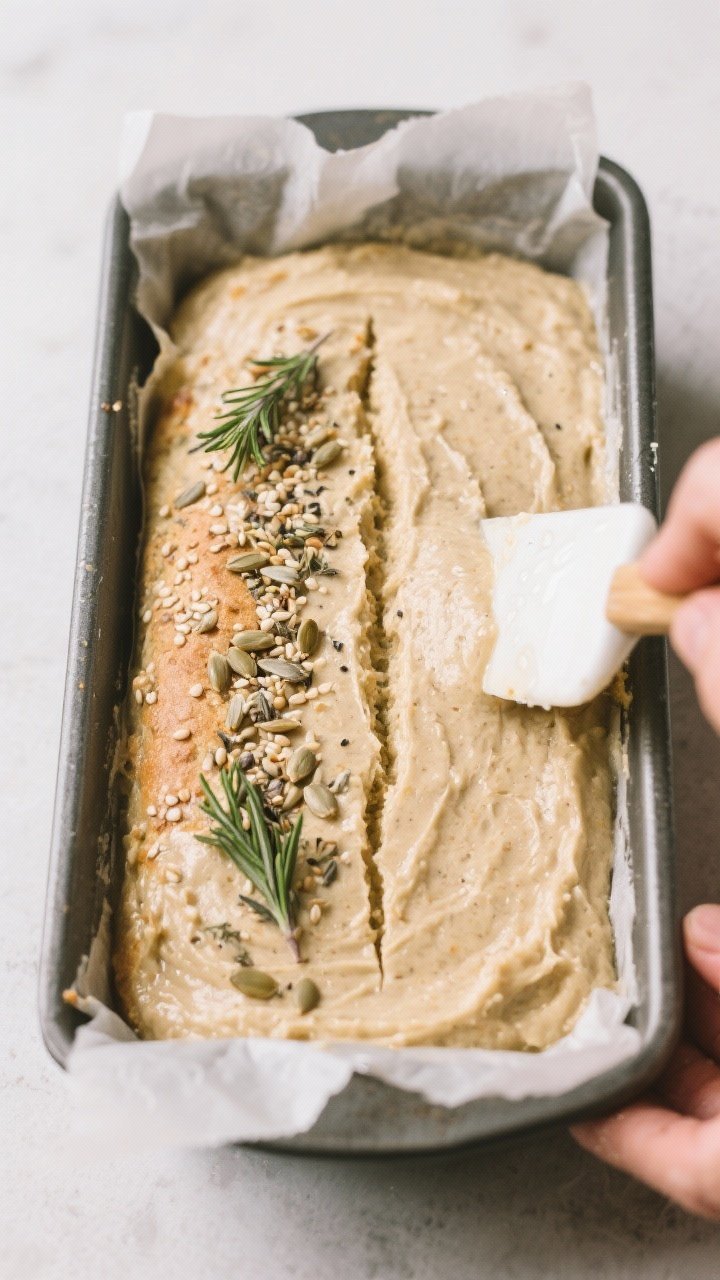
- Pan and smooth: Scrape the batter into the pan.
Smooth the top with a damp spatula. For a neat finish, score a shallow line down the center with a wet knife.
- Bake: Place on the middle rack and bake for 45–55 minutes. The top should be deeply golden, and a thermometer in the center should read about 205–210°F (96–99°C).
If you don’t have a thermometer, tap the loaf— it should sound hollow, and a toothpick should come out clean.
- Cool properly: Cool in the pan for 10 minutes, then lift the loaf onto a wire rack. Let it cool fully—at least 1 hour—before slicing. This sets the crumb and prevents gumminess.
- Slice and serve: Use a sharp serrated knife to cut into even slices.
Enjoy warm or at room temperature.
Storage Instructions
- Room temperature: Store sliced bread in an airtight container for up to 2 days. Keep it wrapped to prevent drying out.
- Refrigerator: For longer freshness, refrigerate up to 5 days. Toast slices to revive the texture.
- Freezer: Freeze individual slices with parchment between them.
Store in a freezer bag for up to 2 months. Toast straight from frozen.
Why This is Good for You
This loaf uses nutrient-dense flours instead of refined wheat. Oat flour offers fiber that supports digestion and steady energy. Almond flour adds healthy fats, vitamin E, and a bit of protein, which helps keep you full.
Psyllium or flax brings soluble fiber that supports gut health and creates a satisfying texture. There’s no refined white sugar, and you control the sweetness.
It’s naturally gluten-free, and with simple swaps, you can make it dairy-free or egg-free, too.
Common Mistakes to Avoid
- Skipping the hydration rest: Psyllium or flax needs a few minutes to thicken the batter. Skipping this makes the loaf dense or gummy.
- Using cold ingredients: Cold eggs and water can slow yeast activity and reduce rise. Room temperature ingredients work best.
- Overbaking or underbaking: Check around the 45-minute mark.
A thermometer is the most reliable way to avoid a dry or gummy loaf.
- Cutting too soon: Slicing hot bread collapses the crumb. Let it cool fully for a clean slice.
- Swapping flours 1:1 without thought: Different gluten-free flours absorb moisture differently. If you change flours, adjust water slowly.
Variations You Can Try
- Vegan version: Replace the 2 eggs with 2 flax eggs (2 tbsp ground flax + 6 tbsp warm water, rested 10 minutes).
Add 1 extra tablespoon of oil for richness. The loaf will be slightly denser but still tender.
- Seeded crust: Press sesame, sunflower, or pumpkin seeds onto the top before baking for crunch and visual appeal.
- Savory herb loaf: Add 1 tsp dried rosemary, 1 tsp thyme, and a pinch of black pepper. Great for grilled cheese or soup.
- Whole-grain boost: Swap half the oat flour for buckwheat flour for a darker, earthier loaf with extra minerals.
- Light and airy: Replace half the almond flour with more tapioca starch for a slightly lighter crumb.
Keep an eye on the bake time.
- Dairy-free garlic and olive loaf: Add 1–2 tsp minced garlic, 2 tbsp chopped olives, and a sprinkle of dried oregano.
FAQ
Can I make this without yeast?
Yes. Increase baking powder to 3 tsp and keep the vinegar. The loaf will still rise, but yeast adds flavor and a nicer crust.
Without yeast, bake time may be slightly shorter—start checking at 40 minutes.
What can I use instead of almond flour?
Use finely ground sunflower seed flour or more oat flour. If using oat only, add 1 extra tablespoon of oil to keep it moist. Expect a slightly different flavor and color.
Do I need xanthan gum?
No.
Psyllium or flax provides structure and chew. If you prefer, you can add 1/2 tsp xanthan gum, but it isn’t necessary here.
How do I know when it’s done?
The crust should be deep golden and firm. A thermometer reading of 205–210°F (96–99°C) in the center is the best indicator.
Without one, use a toothpick and listen for a hollow sound when tapping the bottom.
Can I bake this in a Dutch oven?
Yes. Line the bottom with parchment and bake covered for 30 minutes, then uncover for 15–20 minutes to brown. This traps steam and can improve oven spring.
Is this bread good for sandwiches?
Yes.
Let it cool completely and slice thinly with a serrated knife. Toasting the slices slightly helps them hold up to fillings.
Can I use a store-bought gluten-free flour blend?
Yes, substitute the oat flour and almond flour with 2 1/2 cups of your favorite 1:1 gluten-free blend. Keep the tapioca starch, psyllium or flax, and liquids the same, then adjust water by 1–2 tablespoons if needed.
In Conclusion
This one-bowl gluten-free alternative flour bread is straightforward, flexible, and dependable.
With a handful of pantry staples and a single mixing bowl, you’ll get a loaf that slices cleanly, tastes great, and fits everyday meals. Keep the base recipe, tweak the flours to your taste, and enjoy warm slices whenever you like. Once you make it a couple of times, it’ll be your go-to gluten-free loaf.
Printable Recipe Card
Want just the essential recipe details without scrolling through the article? Get our printable recipe card with just the ingredients and instructions.